Cartograph / Bad Studio / 2025

WIP
×

A physical-digital self reflection device for supporting people in technology addiction recovery.

Recognition
Skills

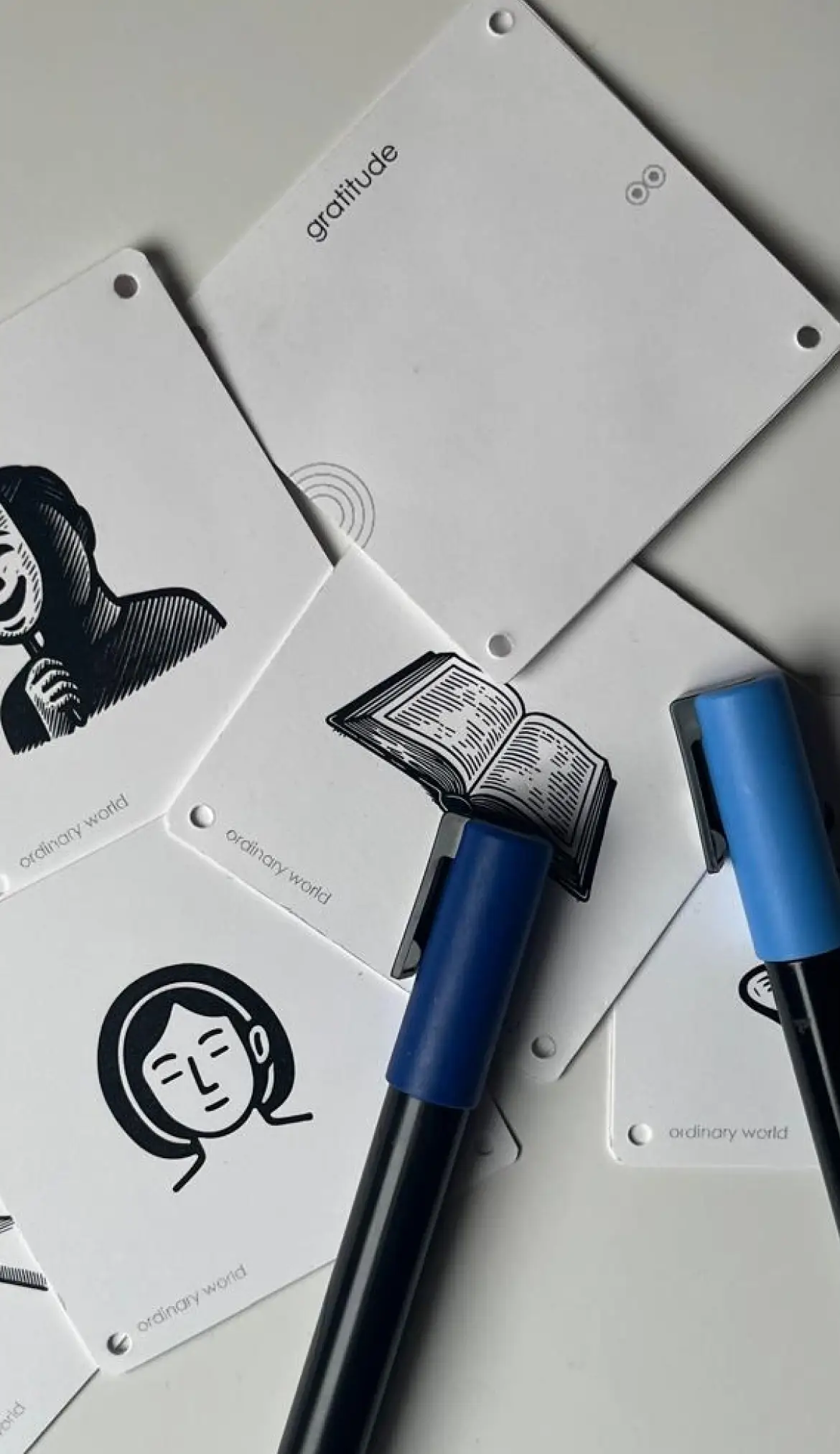
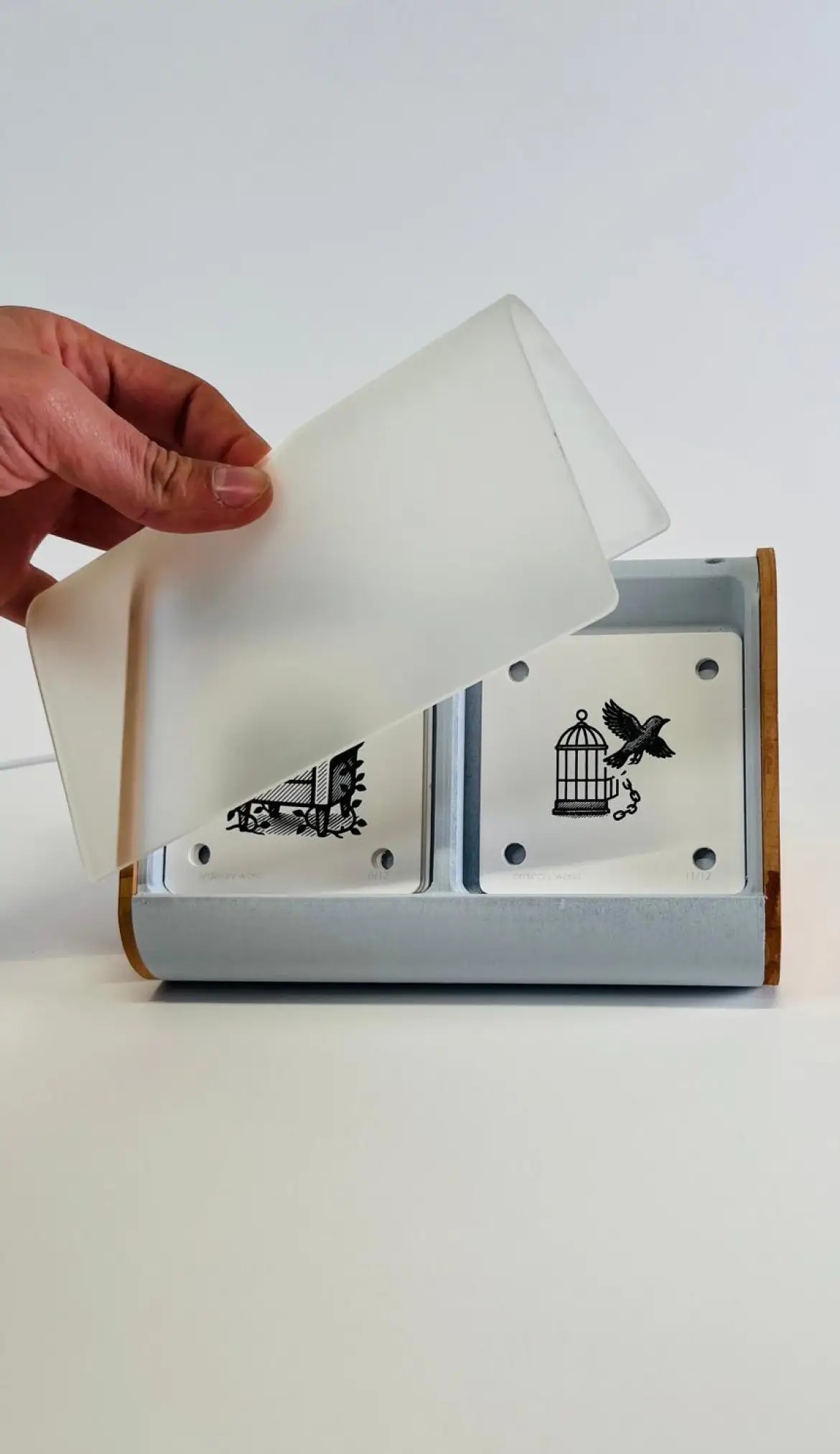
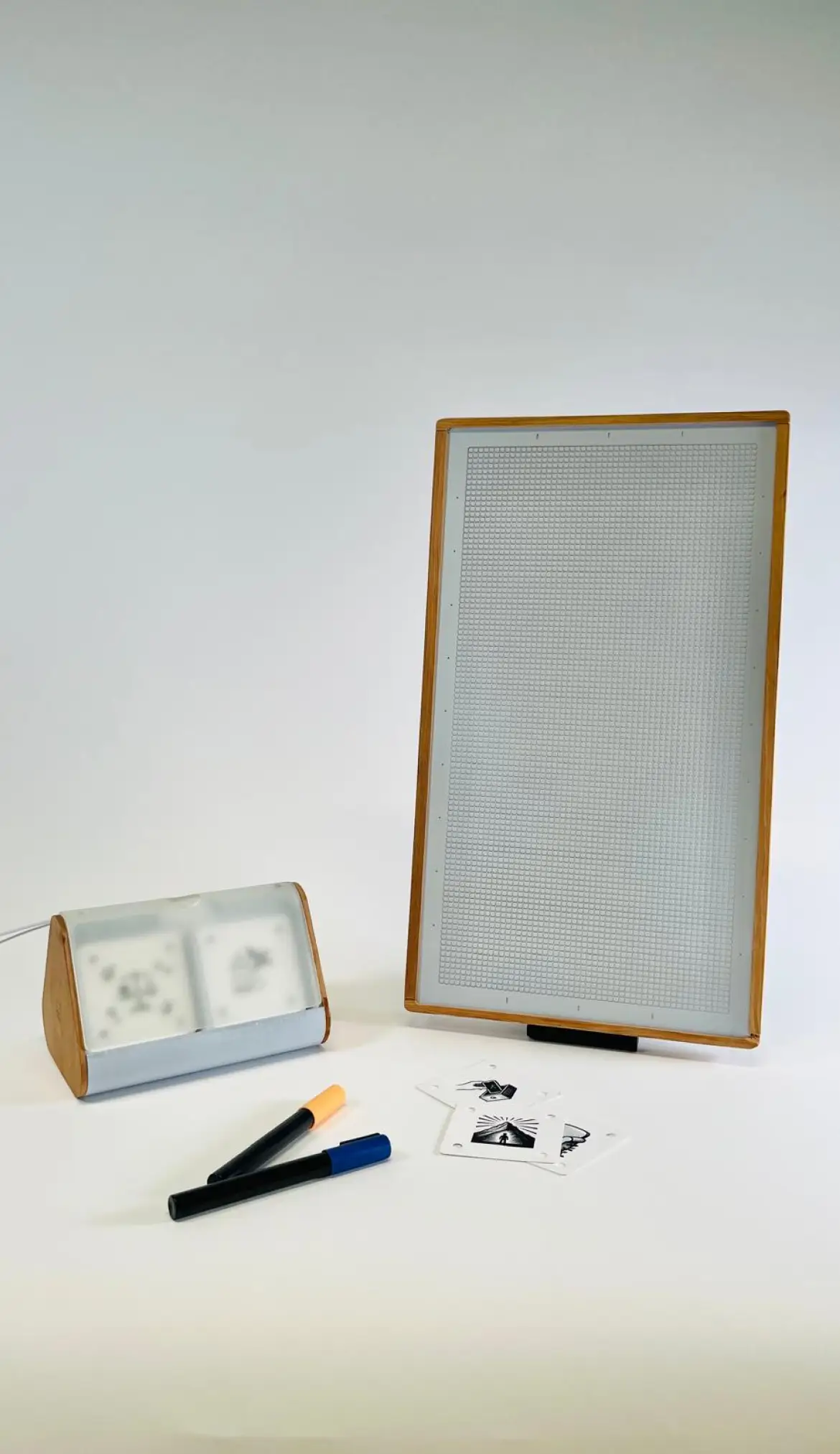
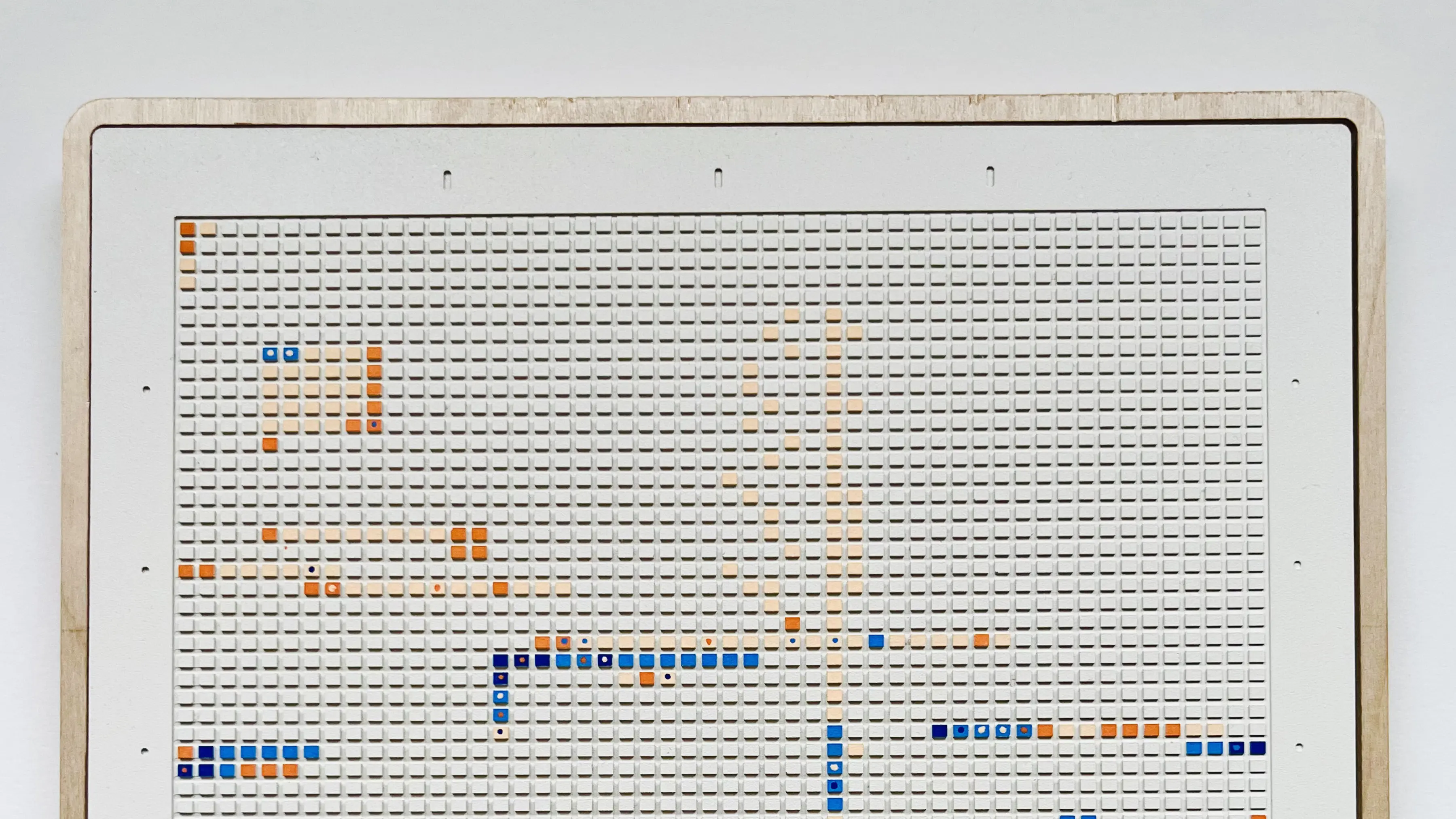
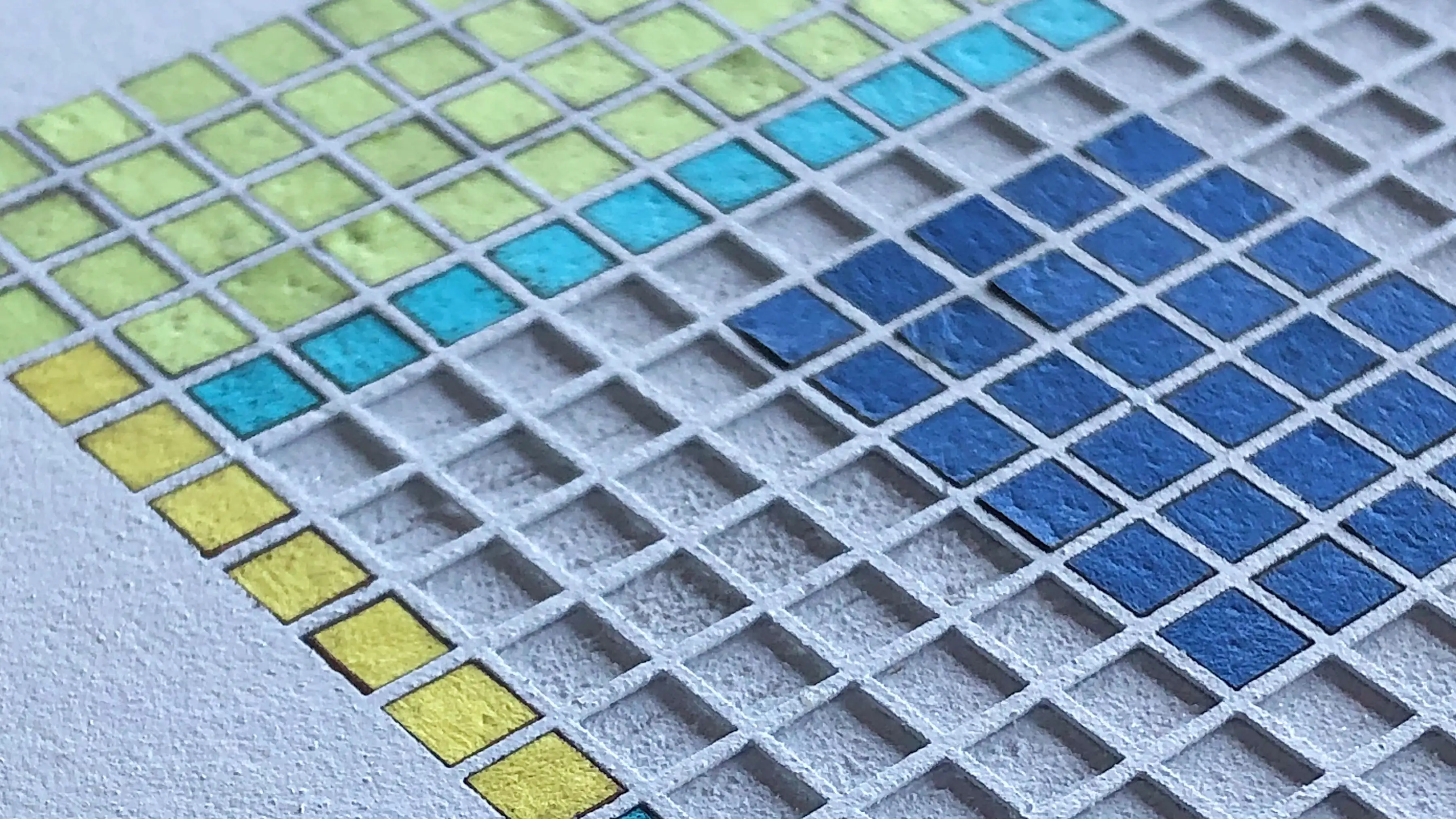
Cartograph is a smart self-reflection device for helping people practice and build vital cognitive restructuring and resilience skills for addiction recovery. The device works by combining proven journaling methods with a unique visual-physical logging method that helps the practice stick over longer periods of time. Cartograph was developed for my design thesis work at Harvard.

Cartograph is motivated as a response to the unfolding mental health crisis and the adjacent rise of Problematic Internet Use (PIU) as a maladaptive coping strategy. It asks the question: how do we prioritize our relationship with ourselves and protect and preserve our identities in a technology environment that demands our constant attention and assimilation.
Cartograph
Process
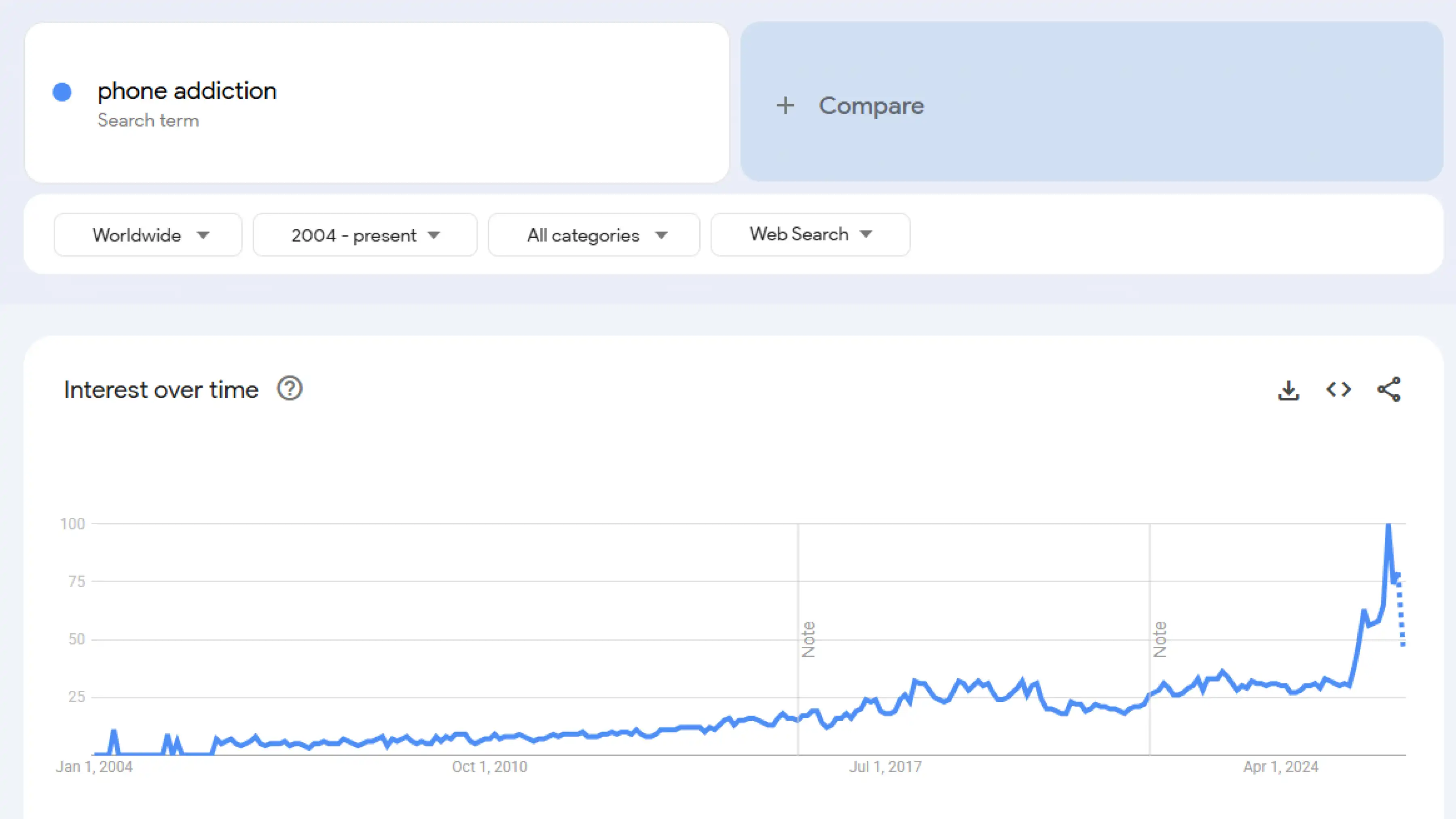
Initial Observations Google Trends
Initial Observations

In 2022-23, I developed an awareness of how my own Problematic Internet Use (PIU), was undermining my psychological wellbeing. I started looking for solutions that would help me build grounding practices and didn't rely on the Internet.

Discovery Research + Mapping

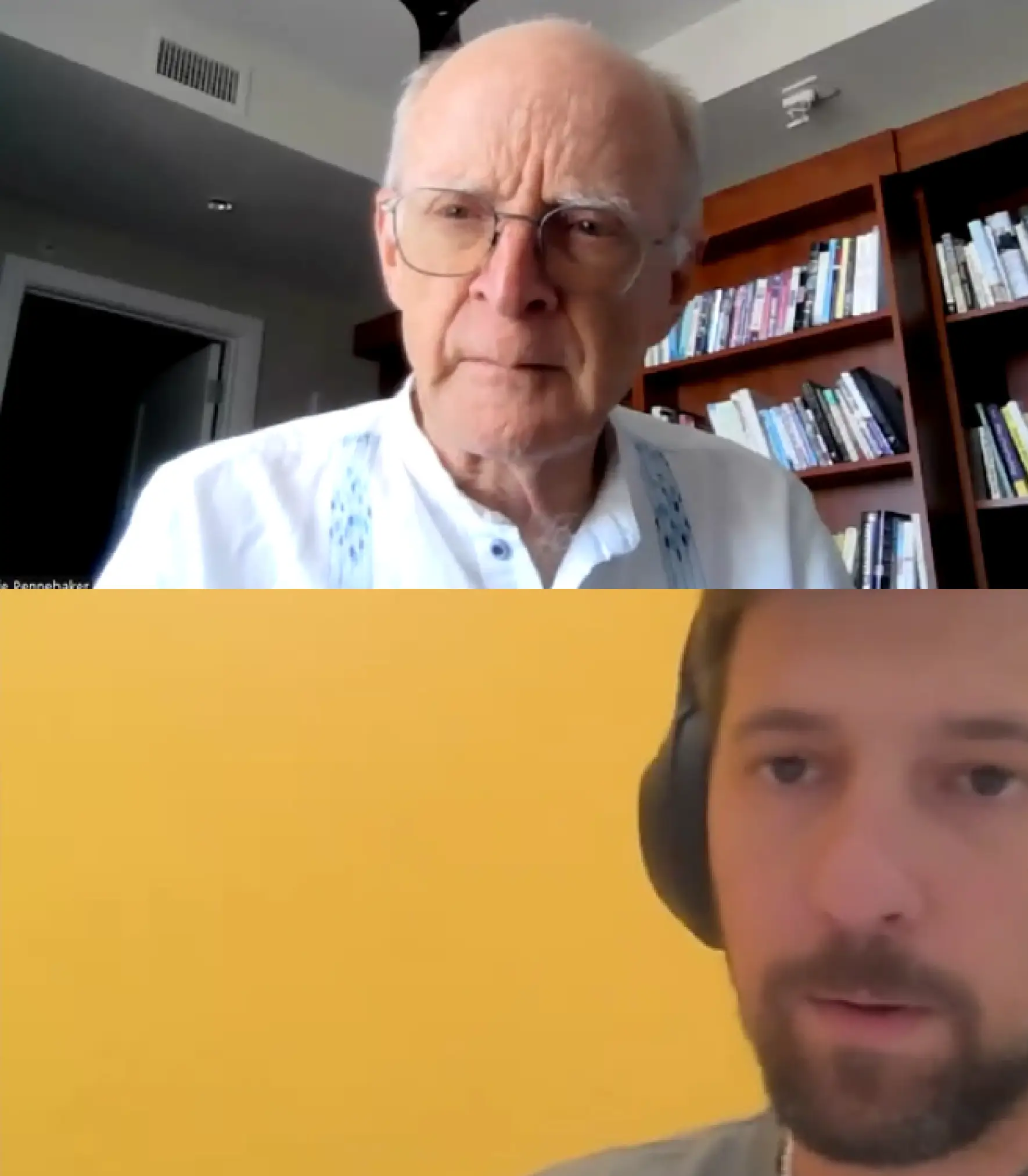
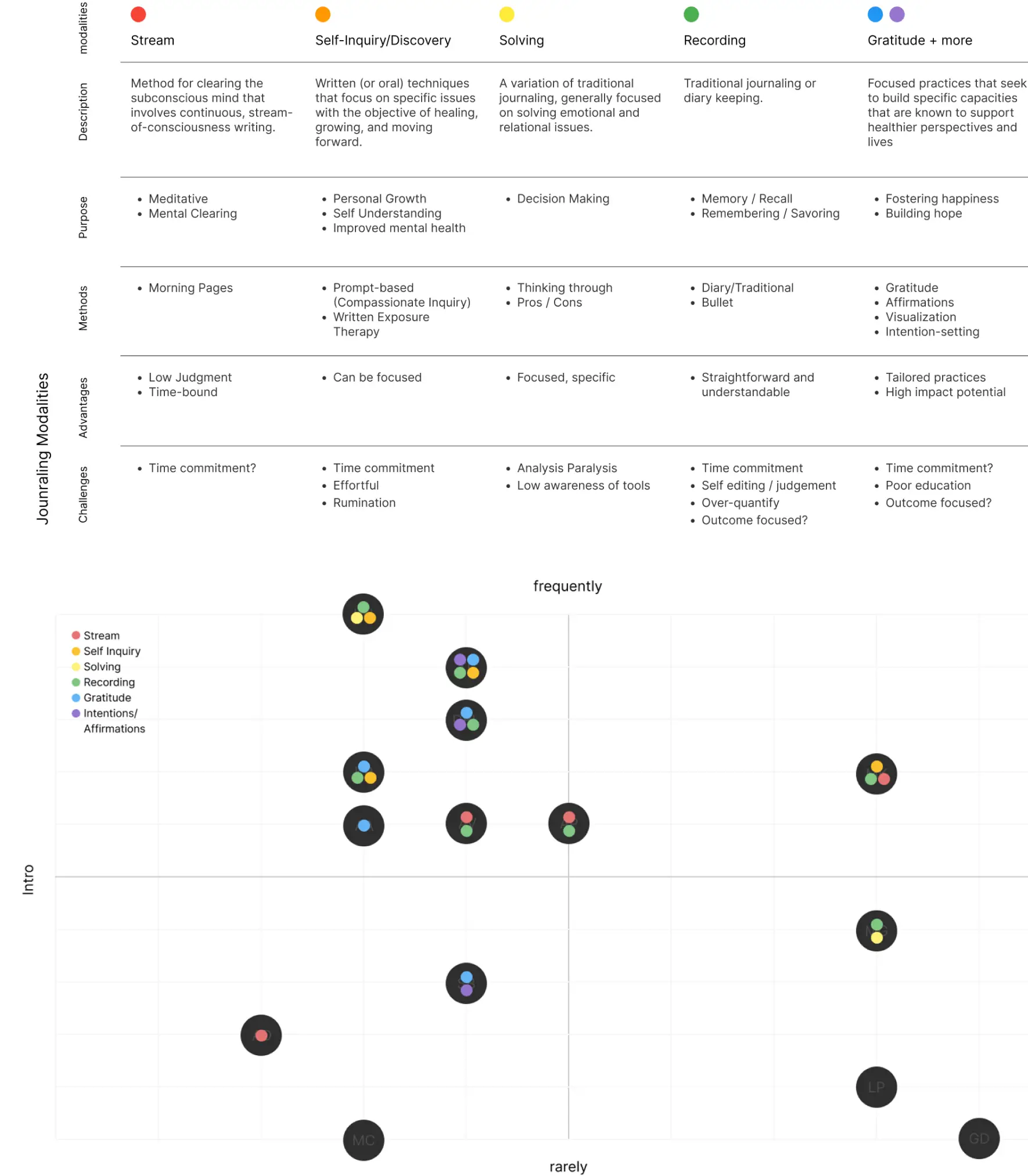
I interviewed dozens of people (including mental health experts) to better understand the complex relationship between wellbeing and Internet use. I mapped these conversations and identified several potential areas for design intervention.

Initial Hypothesis + Concept Sketching

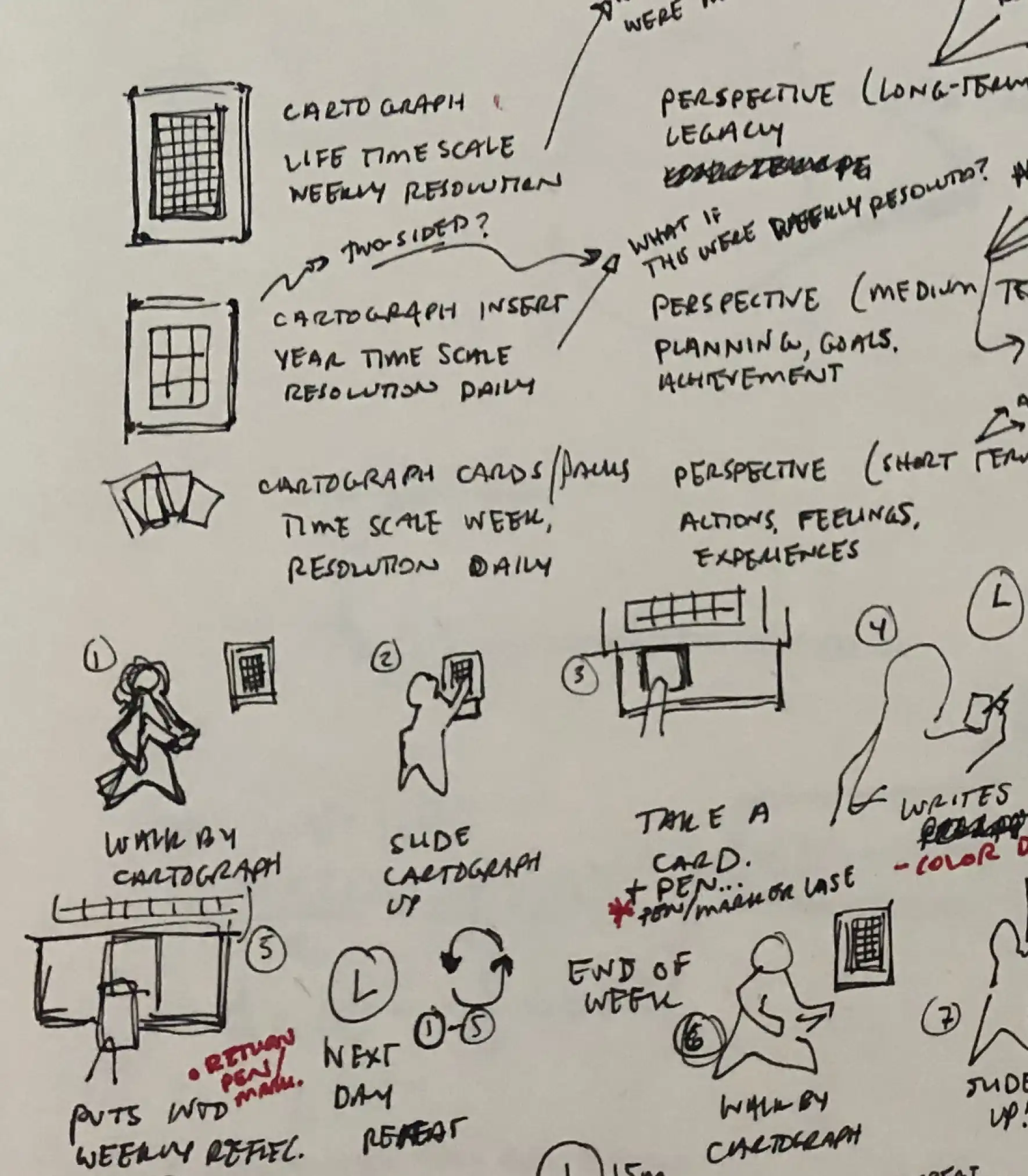
Based on the findings, my initial hypothesis was that PIU accelerated mental health deterioration through an erosion of personal identity. I started exploring concepts for using structured self-reflection to help individuals recover and build personal narratives that would support their broader psychological wellbeing.

Prototyping
Prototyping

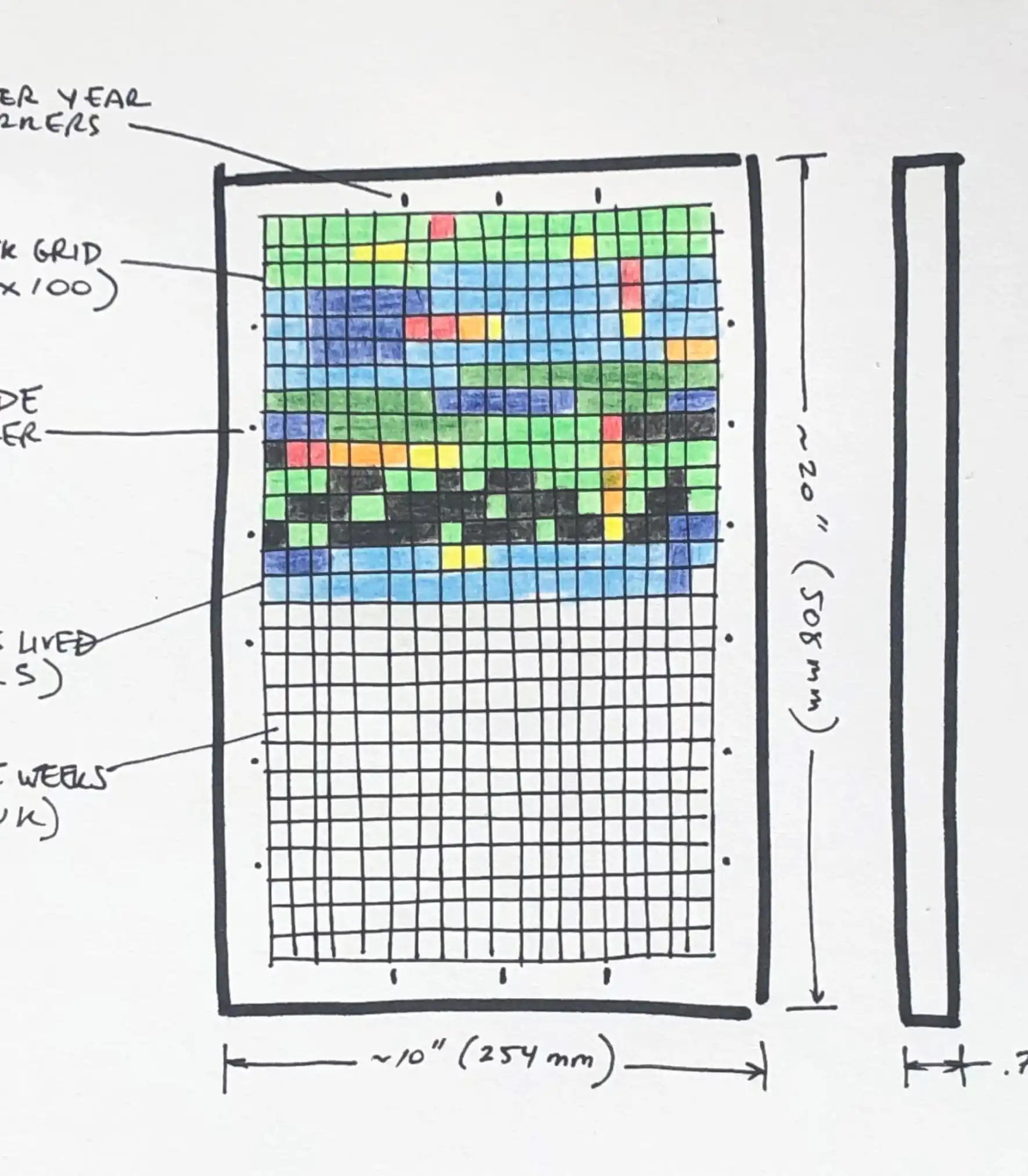
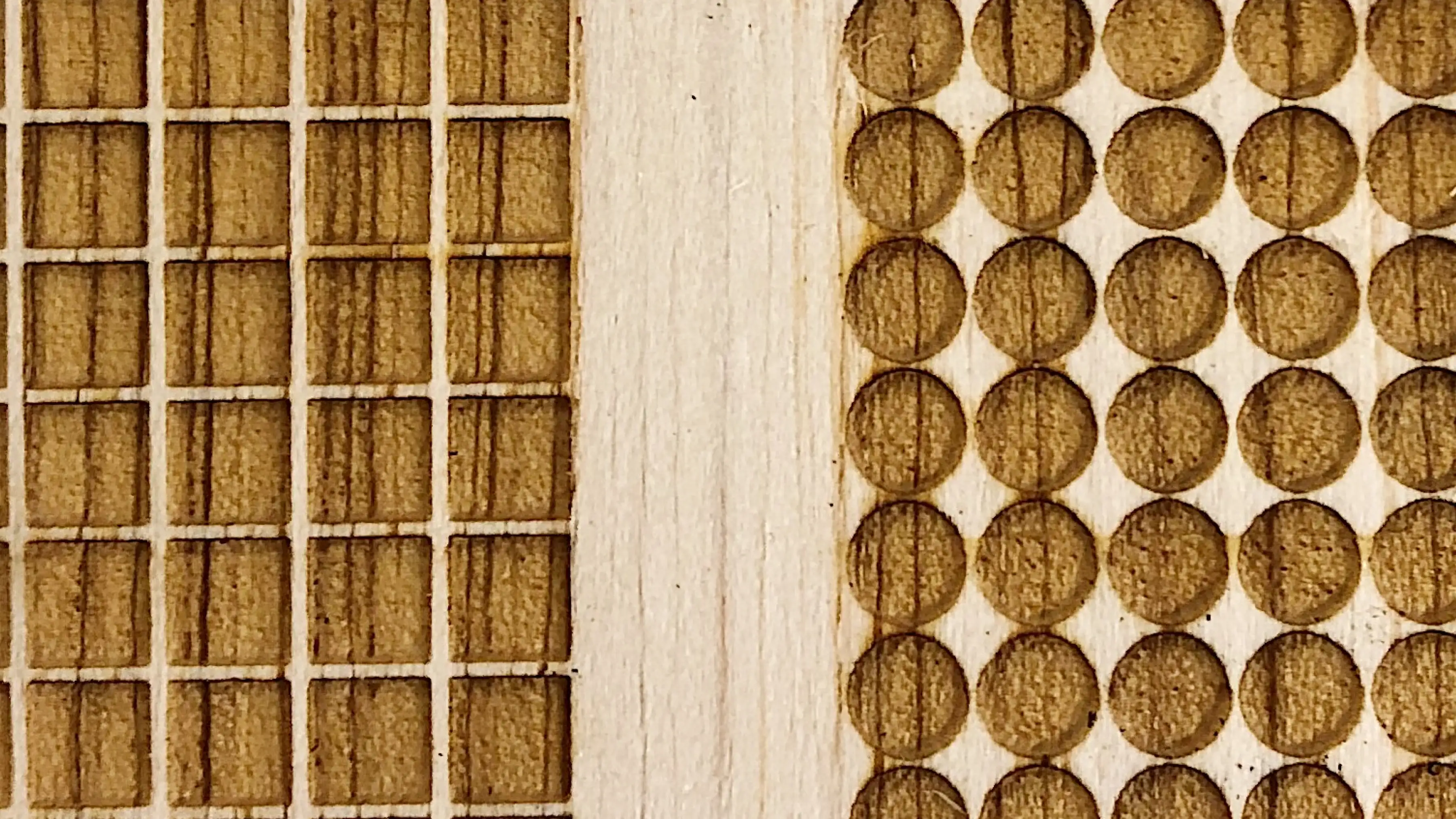
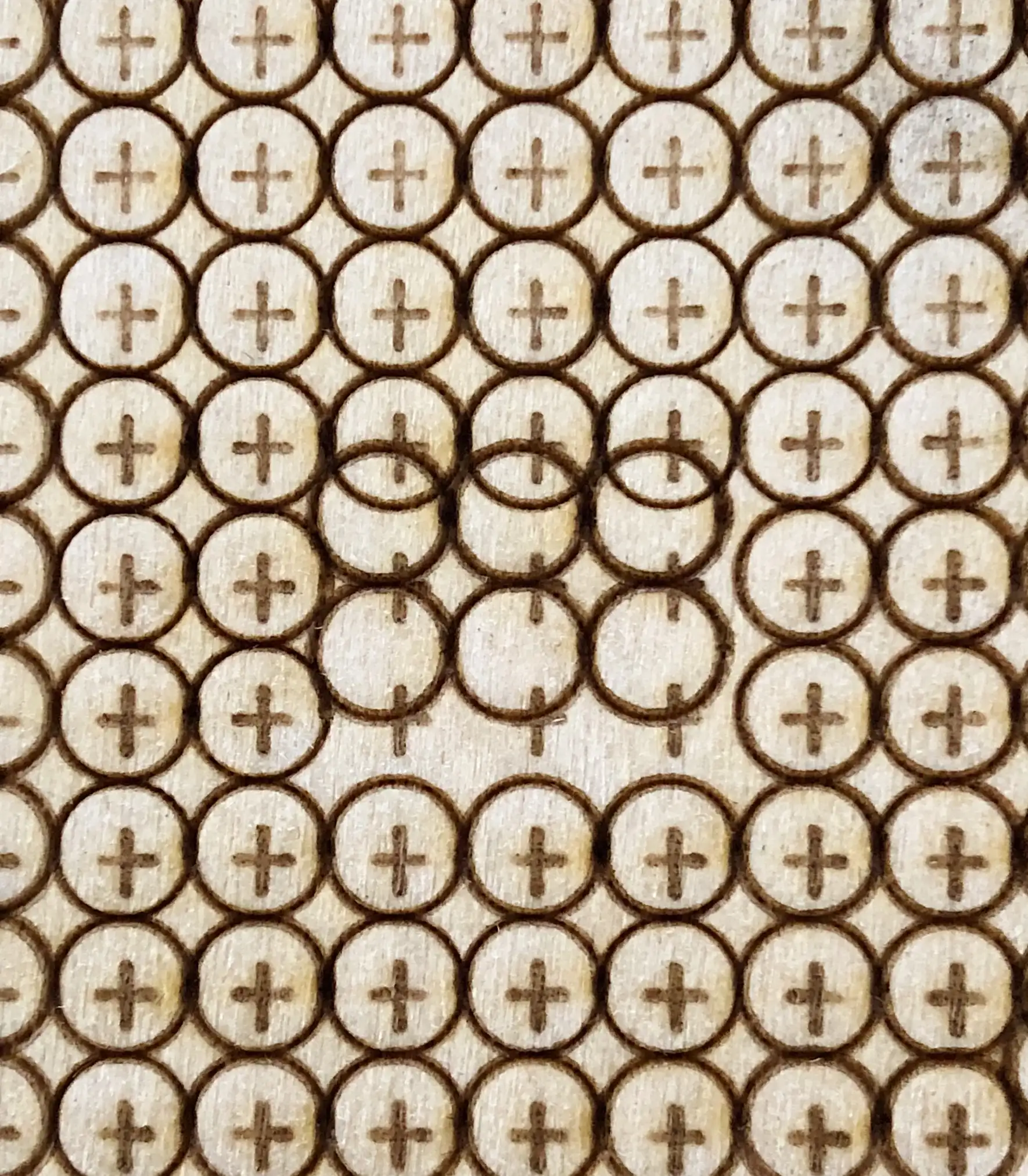
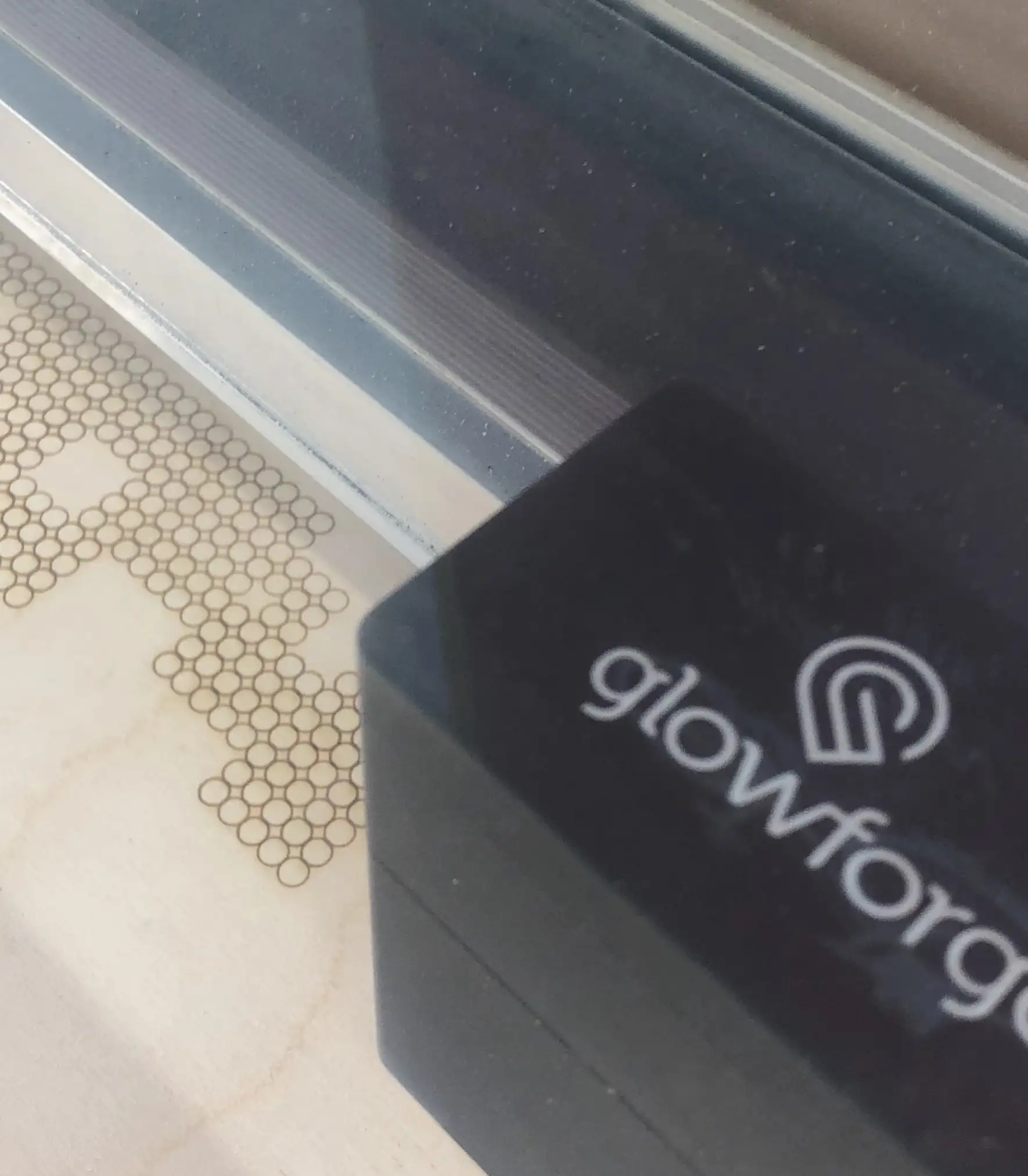
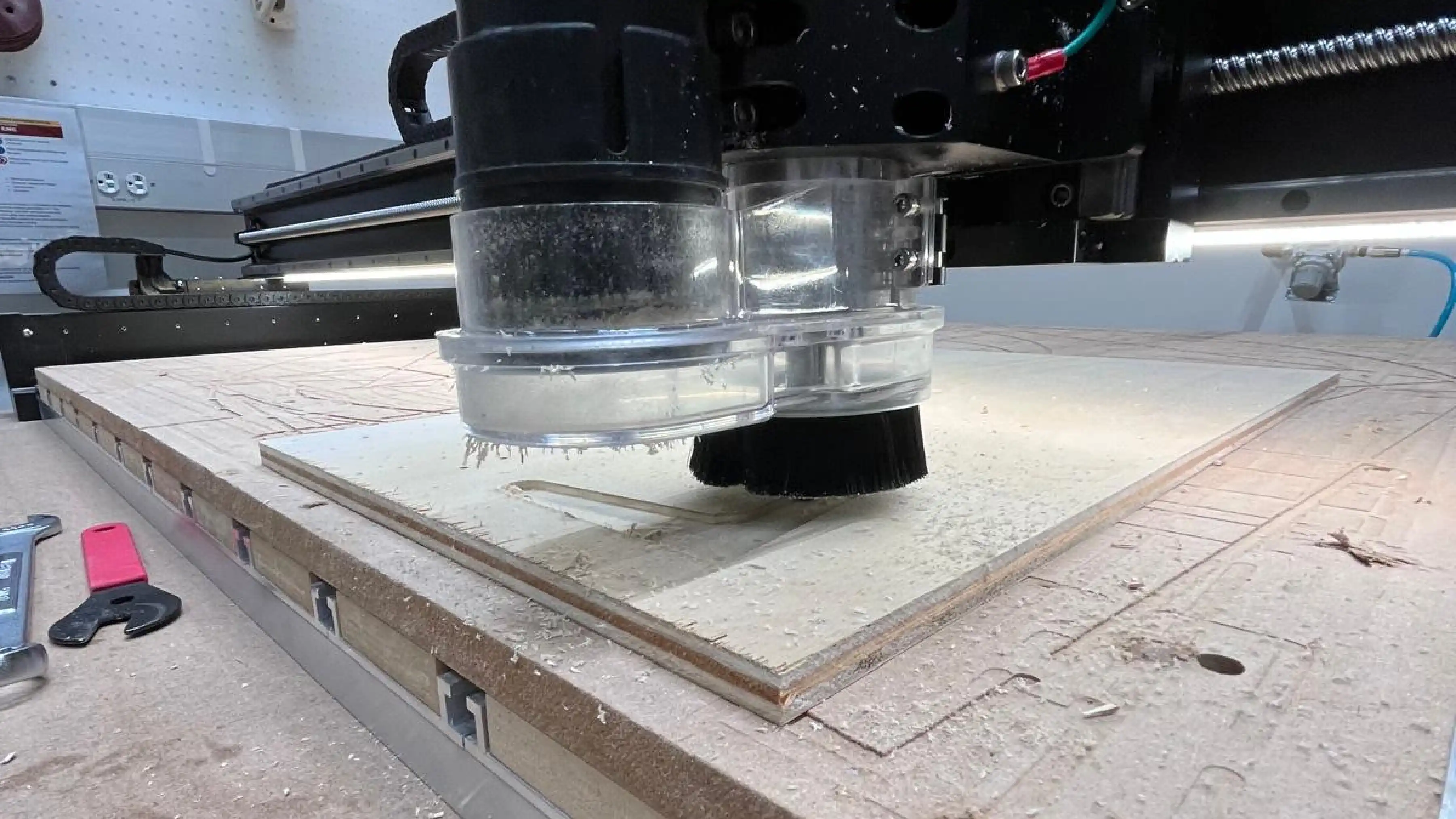
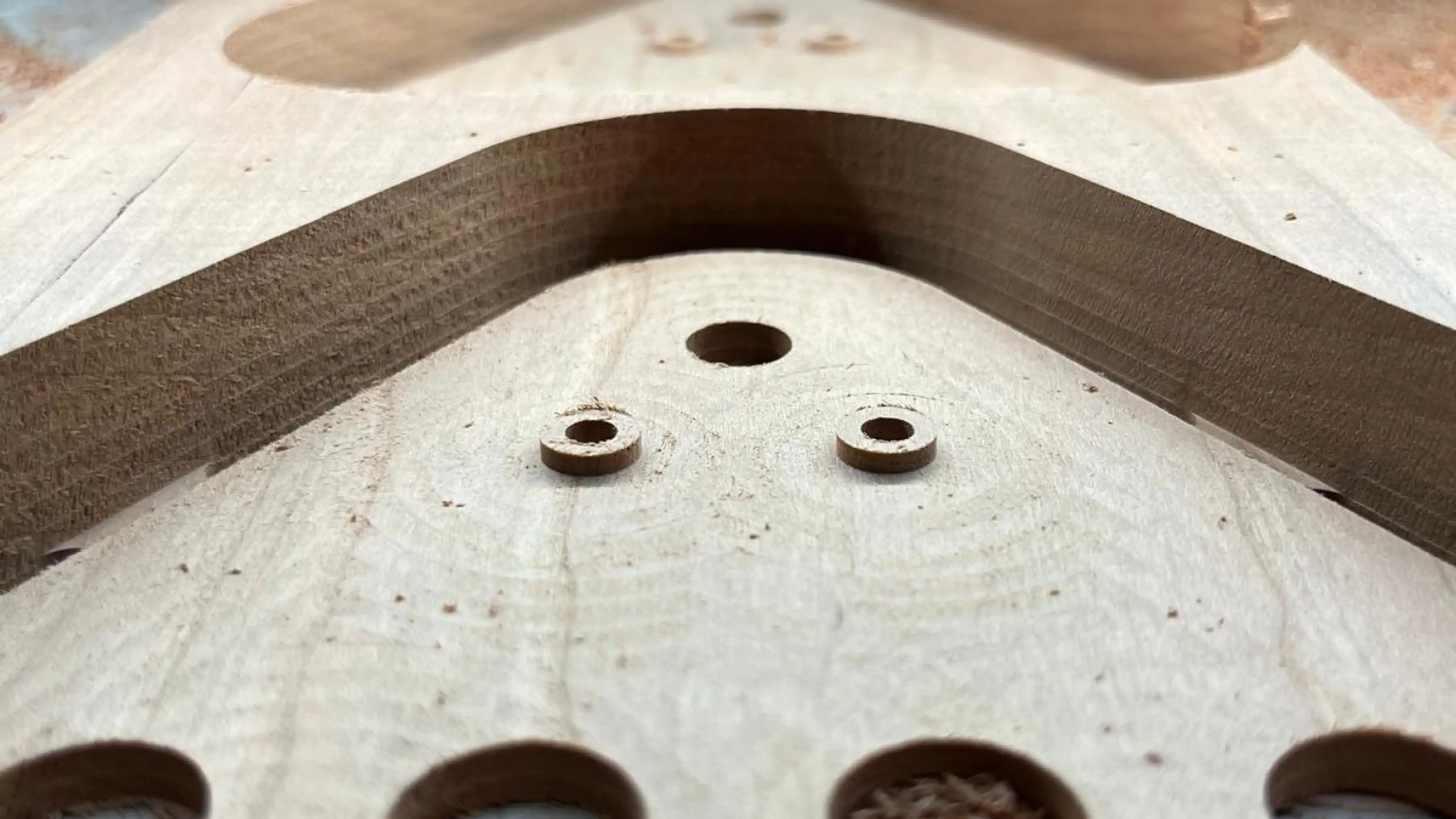
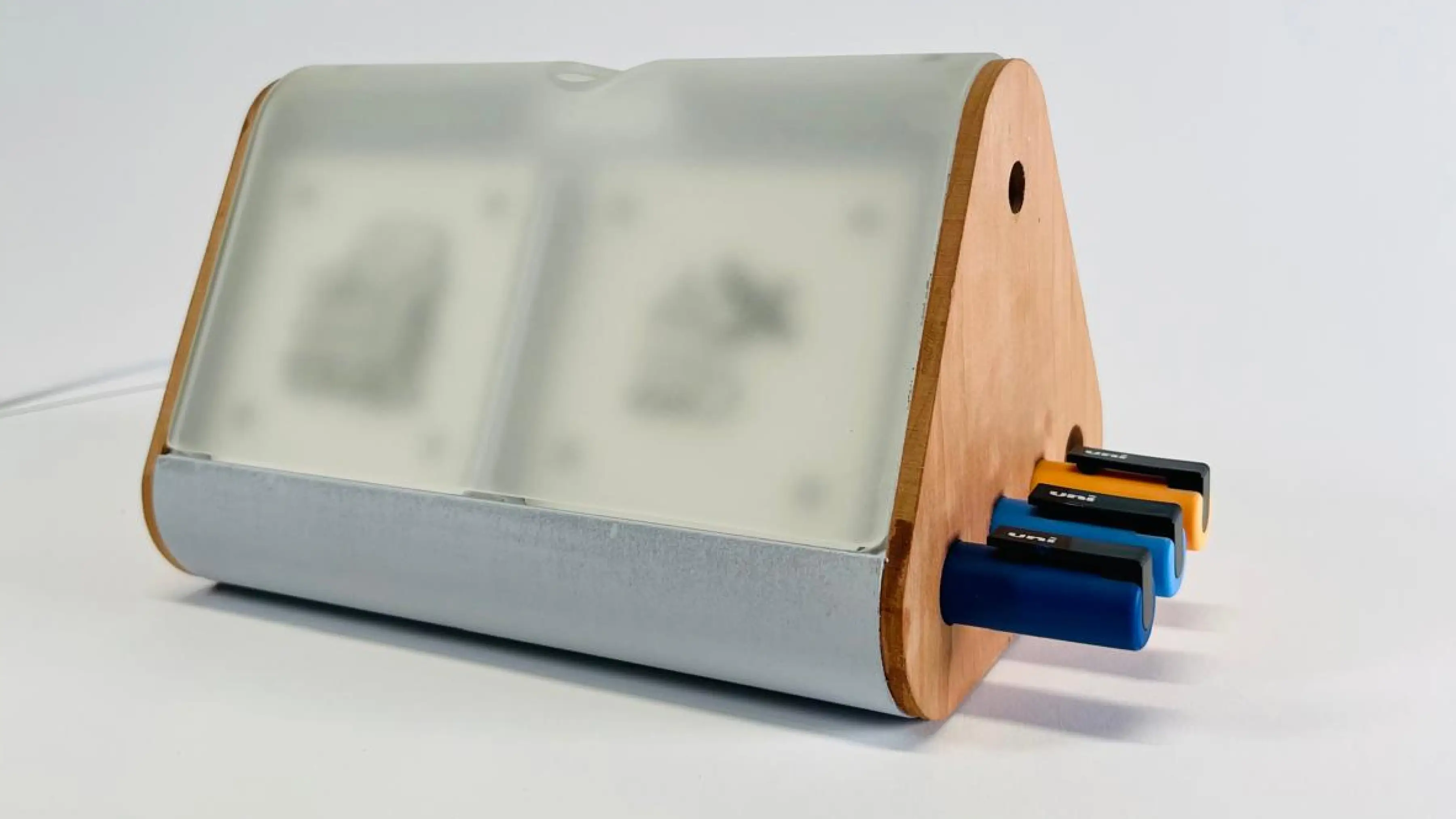
I leveraged laser cutting and CNC machining to start physicalizing these concepts and explore different resolutions (day, week, month) for creating personal narrative blocks.

Physical Computing Prototypes

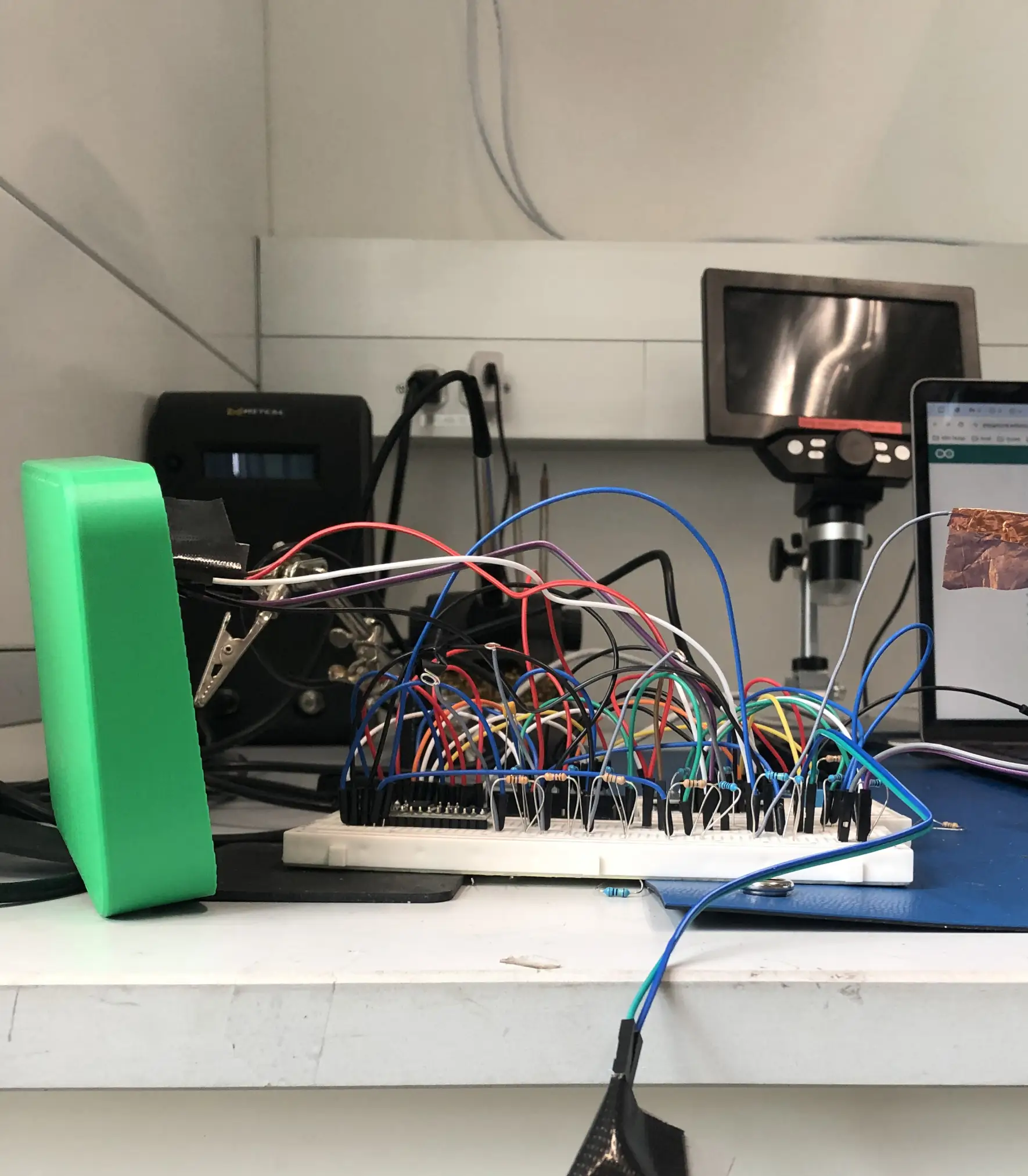
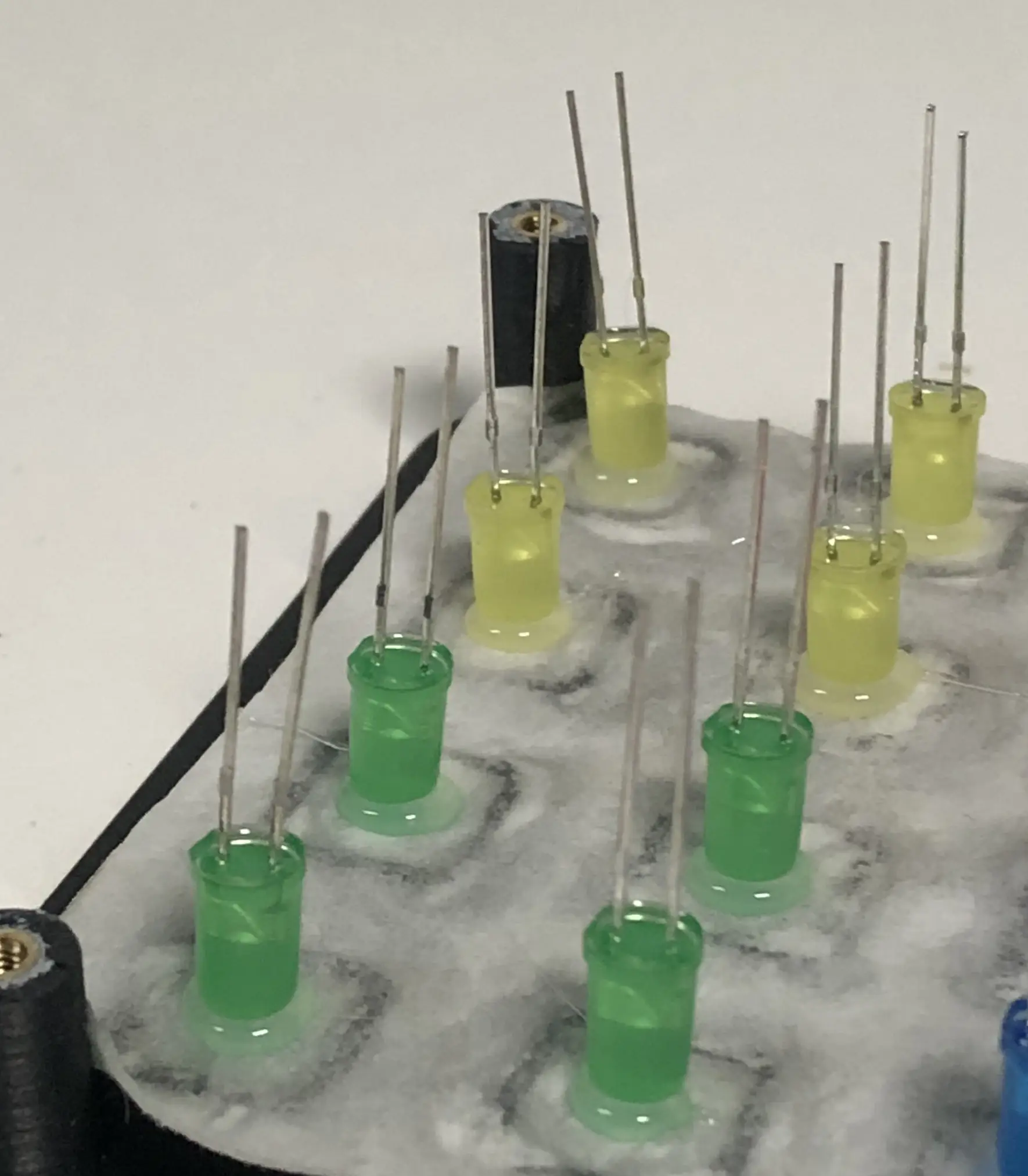
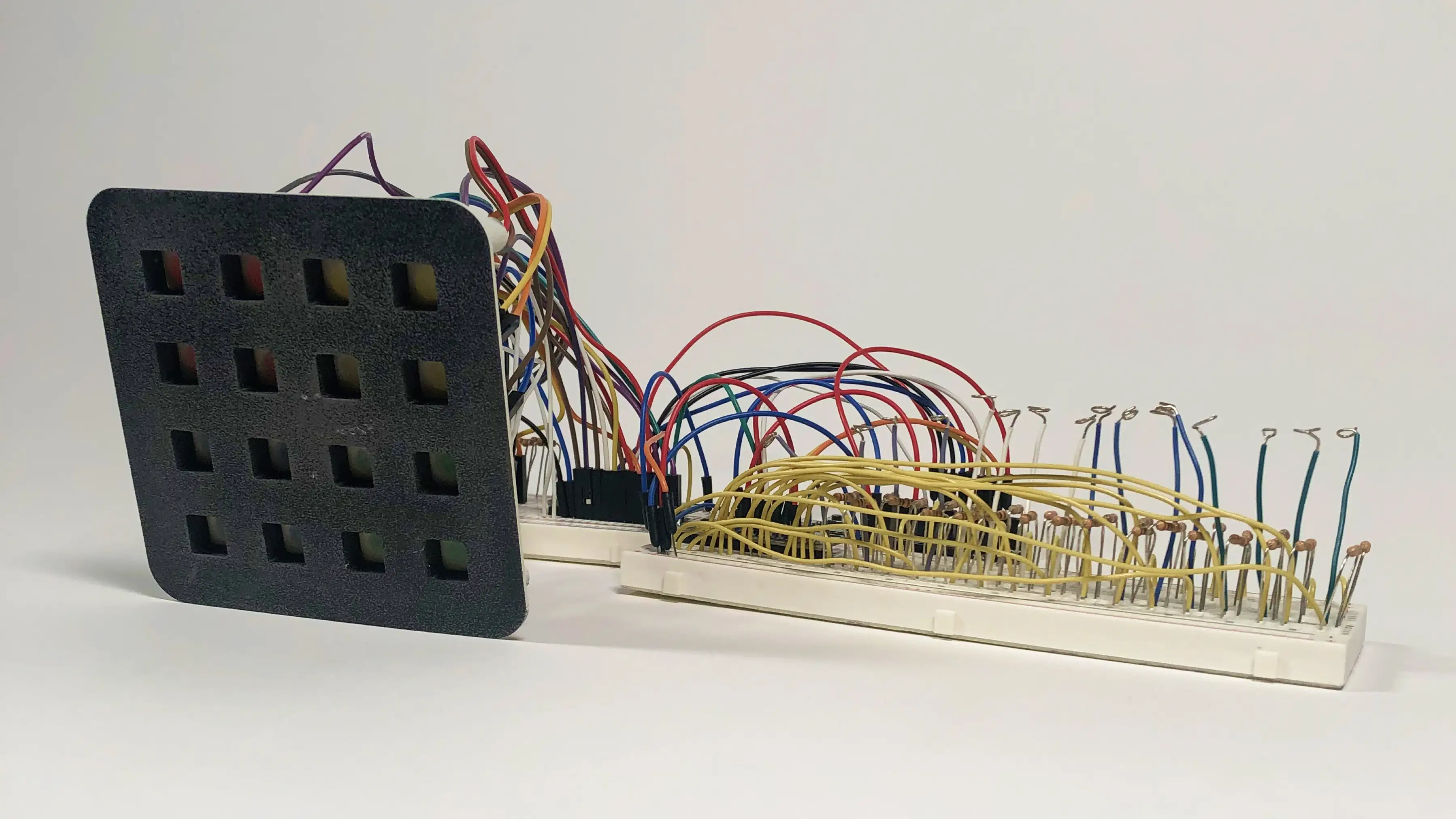
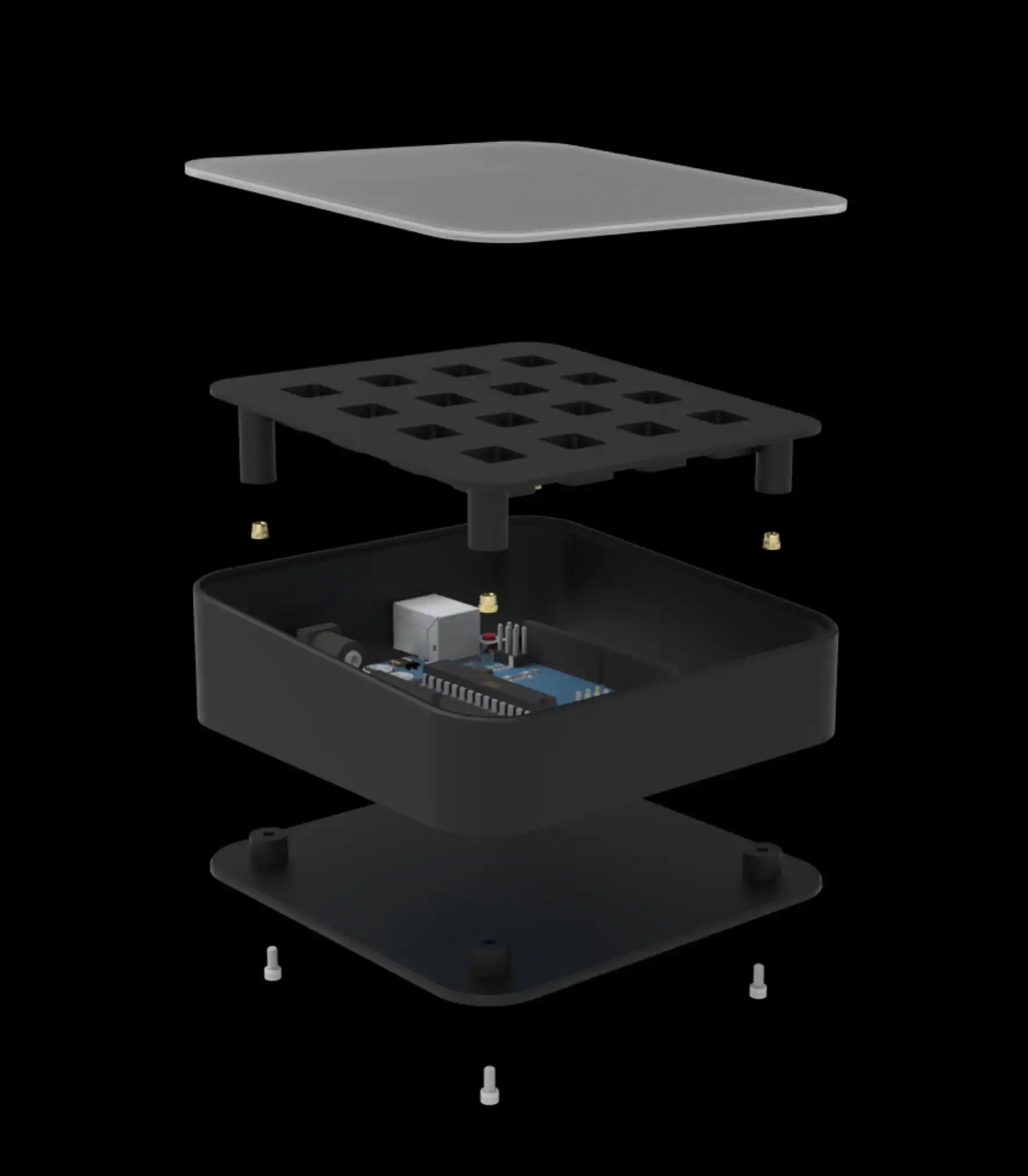
As the concept evolved, I leveraged Arduino, capacitive sensing, and voice recording to developed an interactive system for affective labeling.

Renders + Concept Evolution

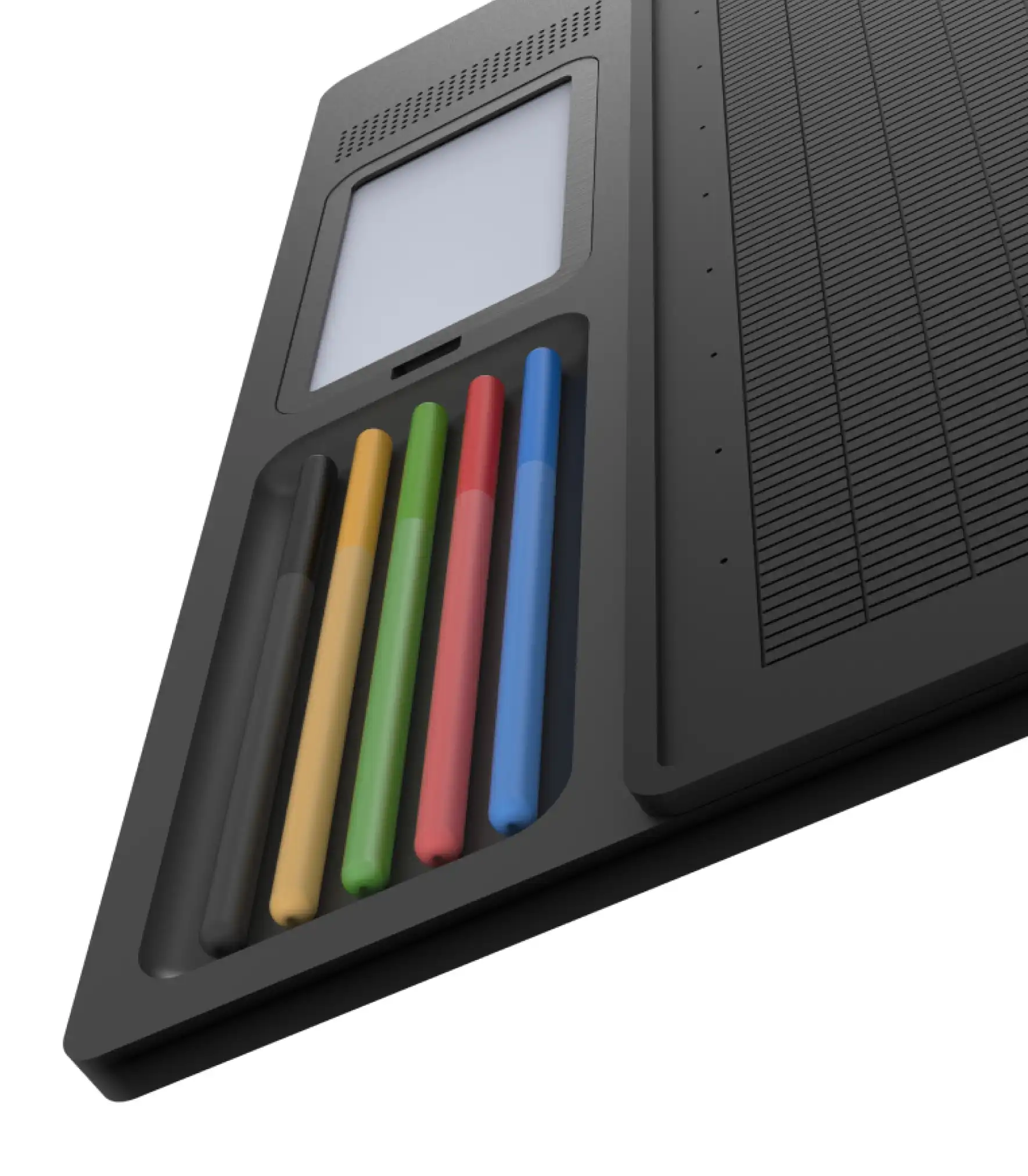
I worked in Solidworks CAD, Keyshot, and Photoshop to generate concept renders which were used to facilitate UI/UX validation studies.

Digital UI/UX
Digital UI/UX

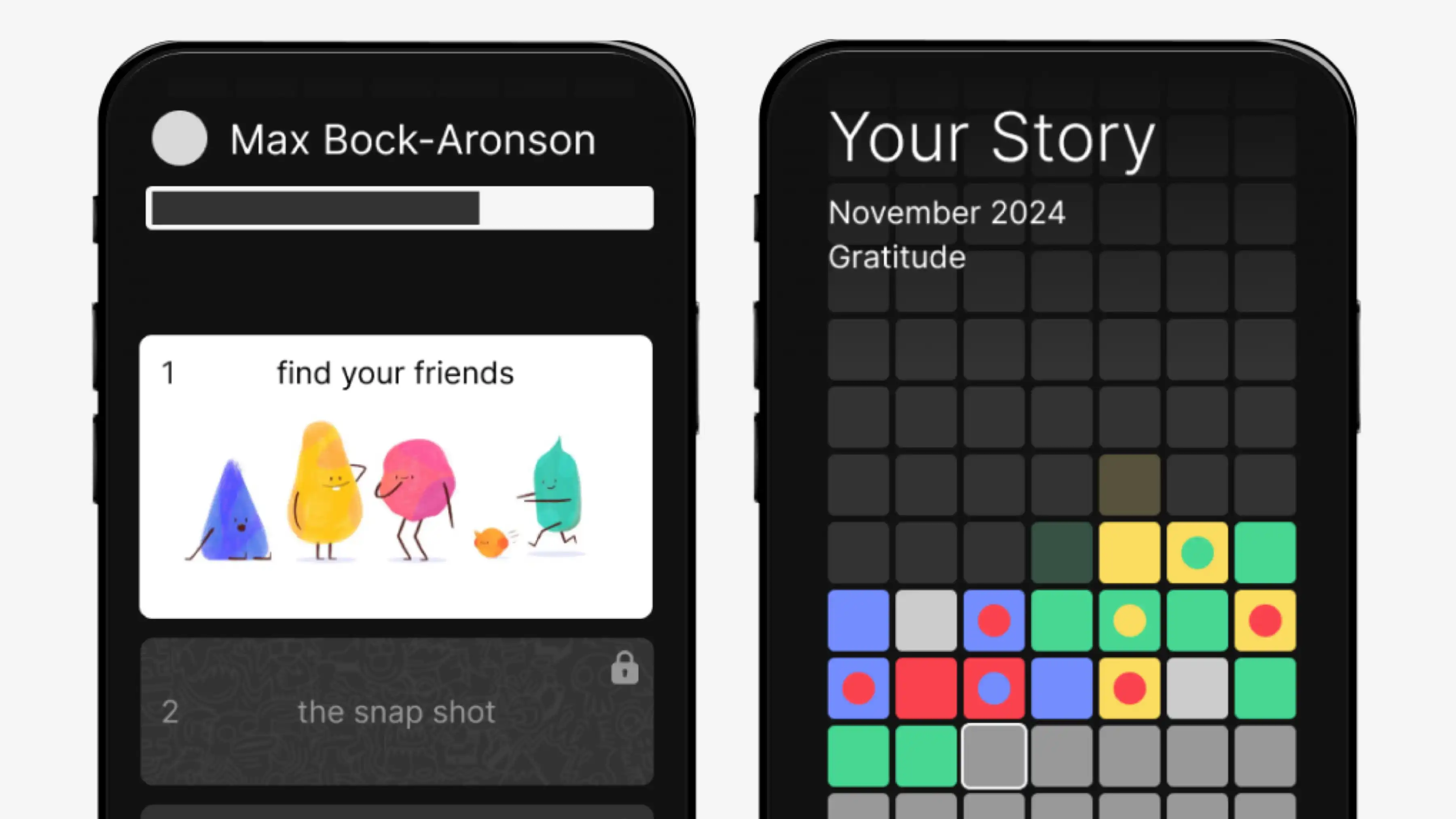
Using Figma, I prototyped UI/UX iteractions to test different features, including searchability and trend or word analysis.

Final Prototyping
Final Prototyping

I leveraged CNC Machining, 3D printing (FDM, SLA), and RFID-enabled prompt cards to embody a multi-facted design intervention for building an evidence-based self reflection practice.

Acknowledgements

Thank you to my thesis advisor Karen Reuther for her steady guidance. I also want to share appreciation for Jamie Pennebaker's time and expert perspective and the MDE '25 cohort for their regular feedback throughout the process. Finally, thank you to Al for their unwaivering support.