Enso / Harvard Graduate School of Design / 2024

×

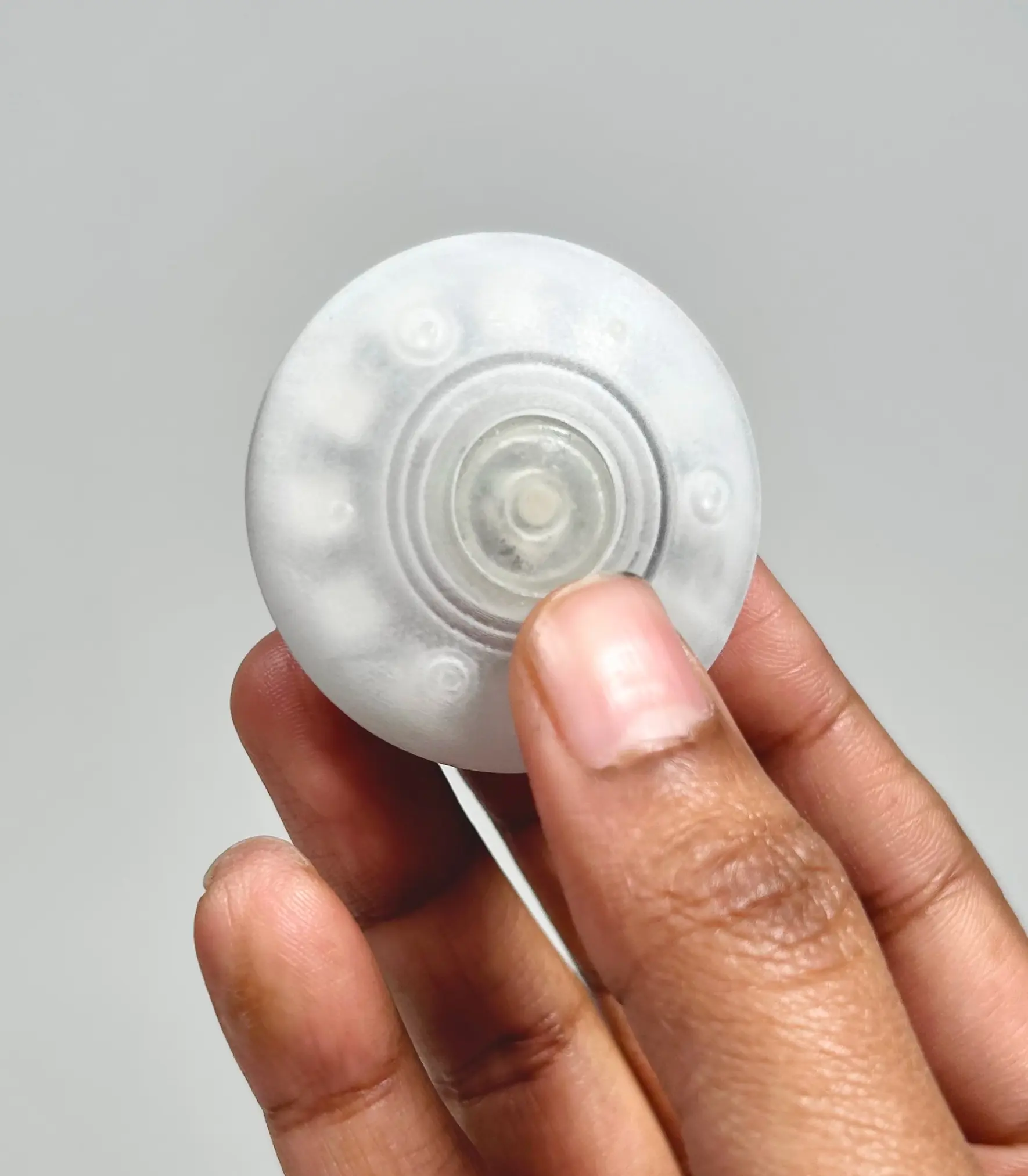
A speech-based totem for peer support and social connection for individuals recovering from Substance Abused Disorder (SUD).

Skills

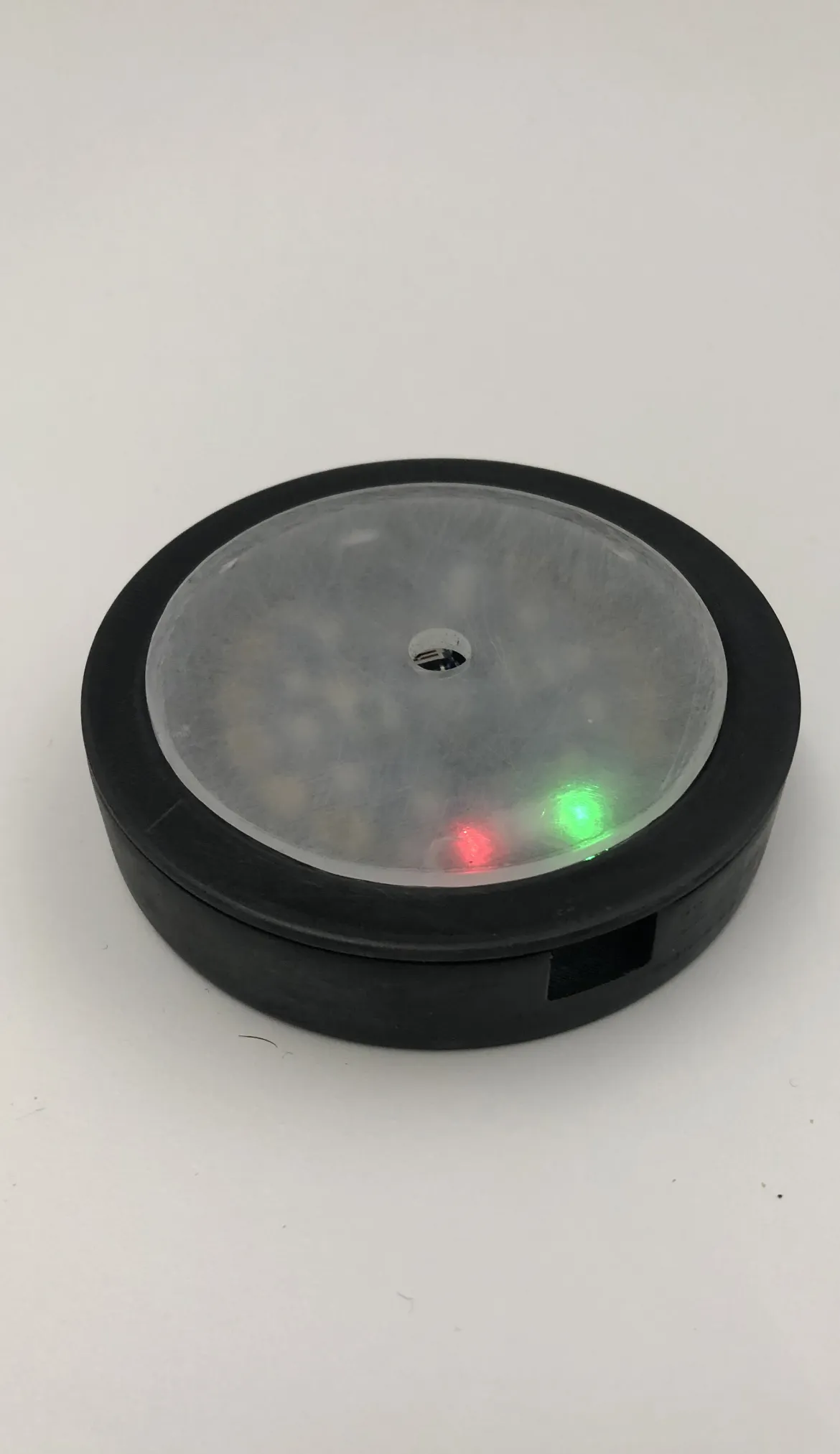
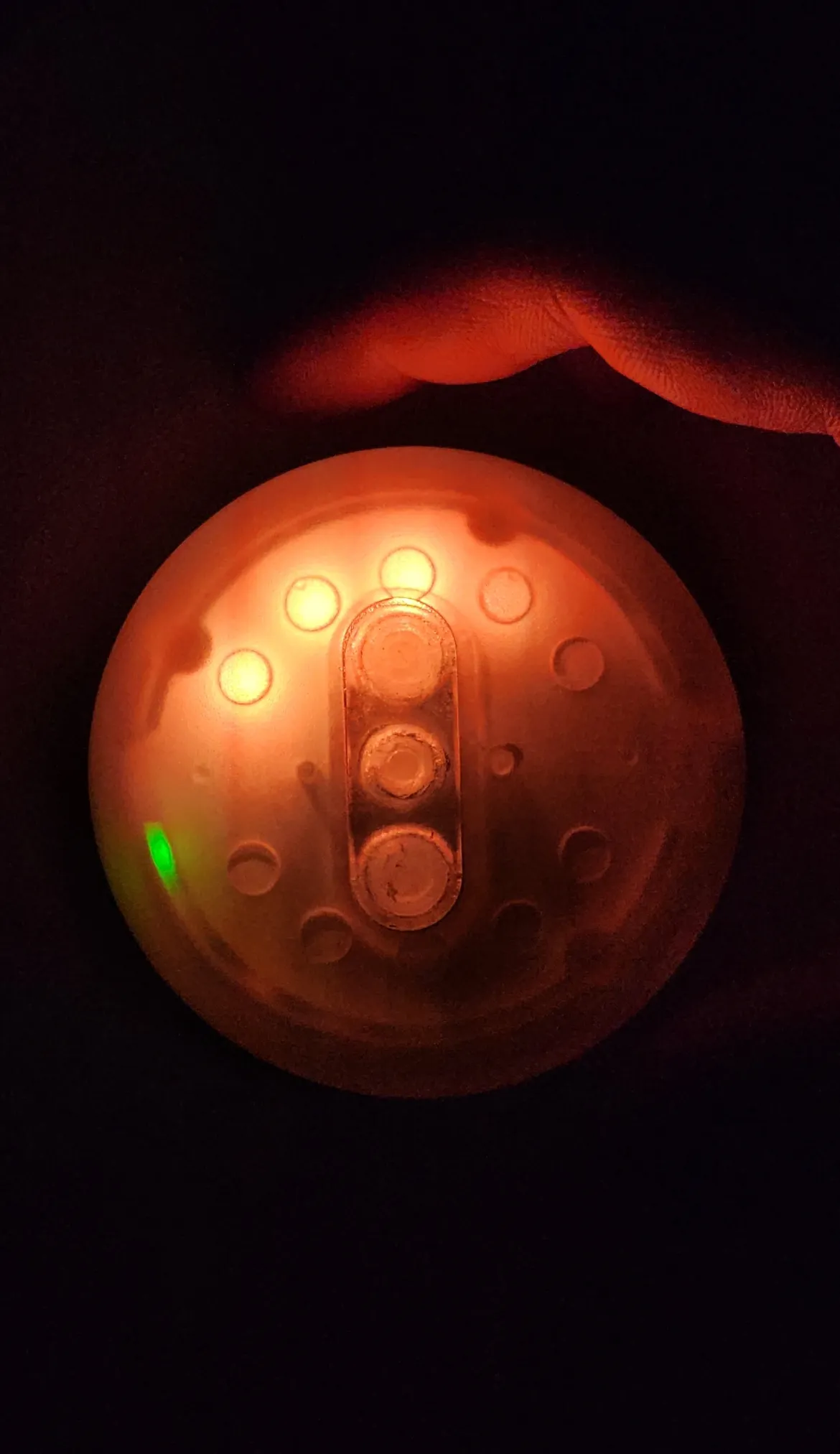
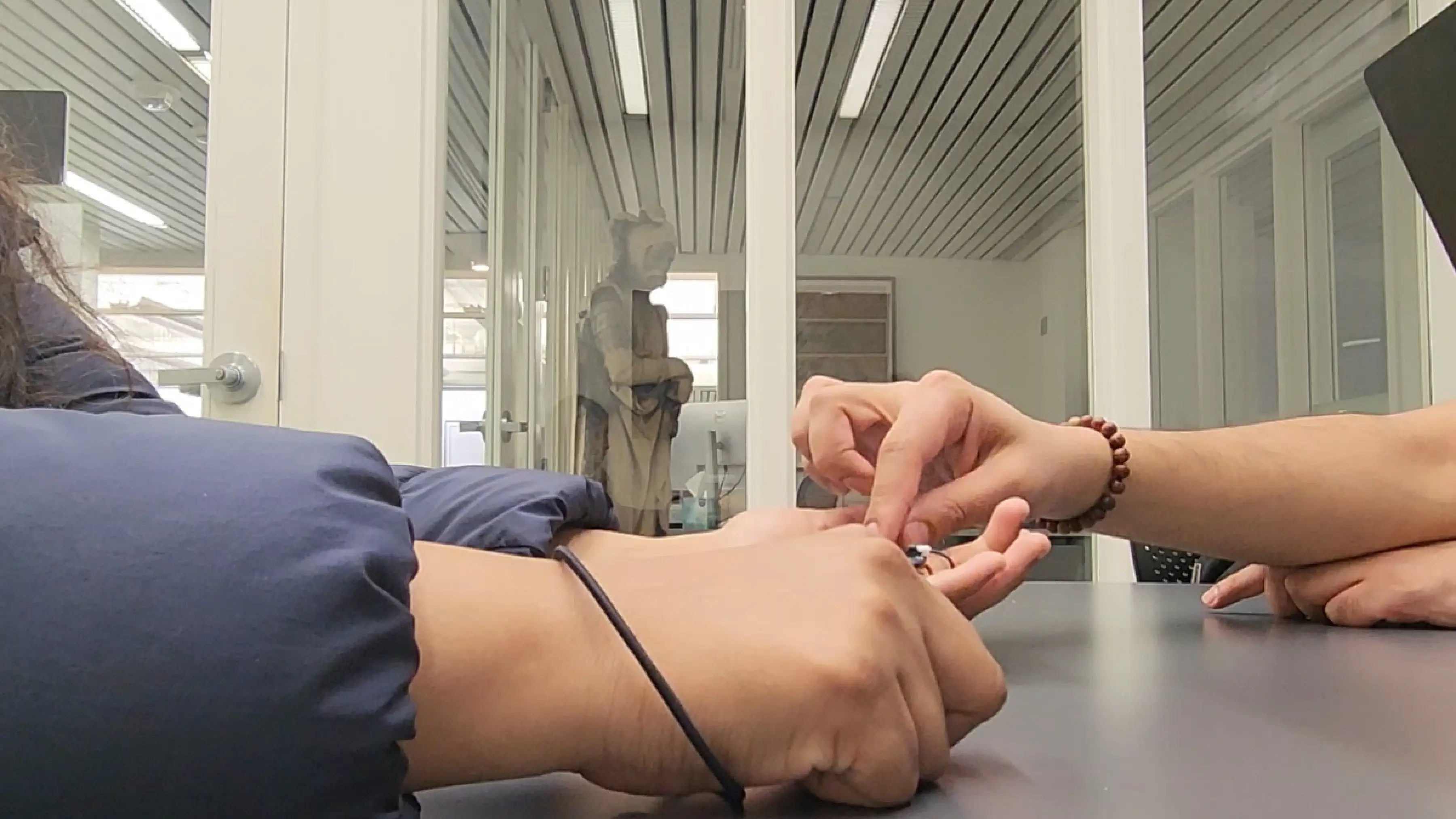
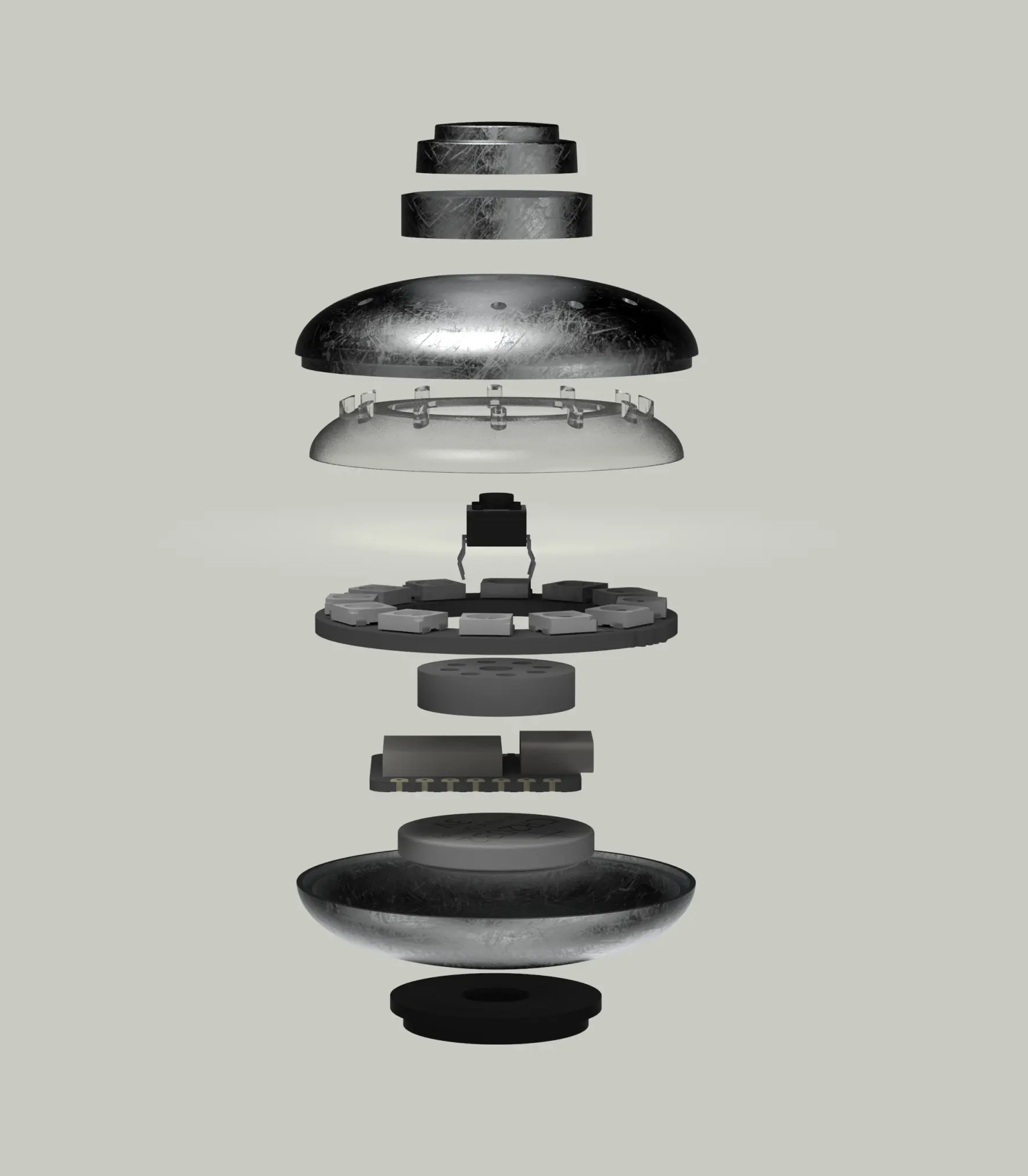
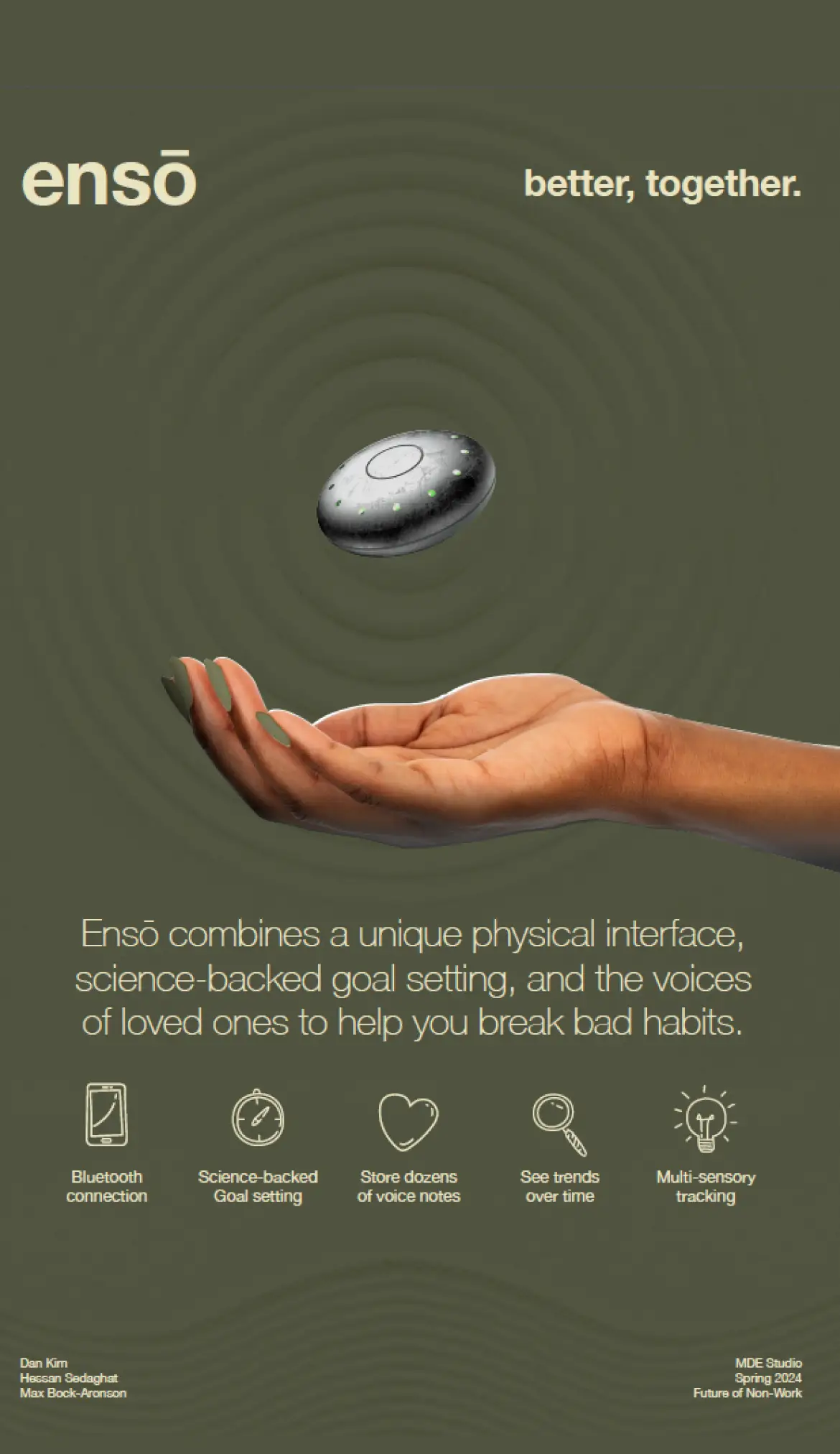
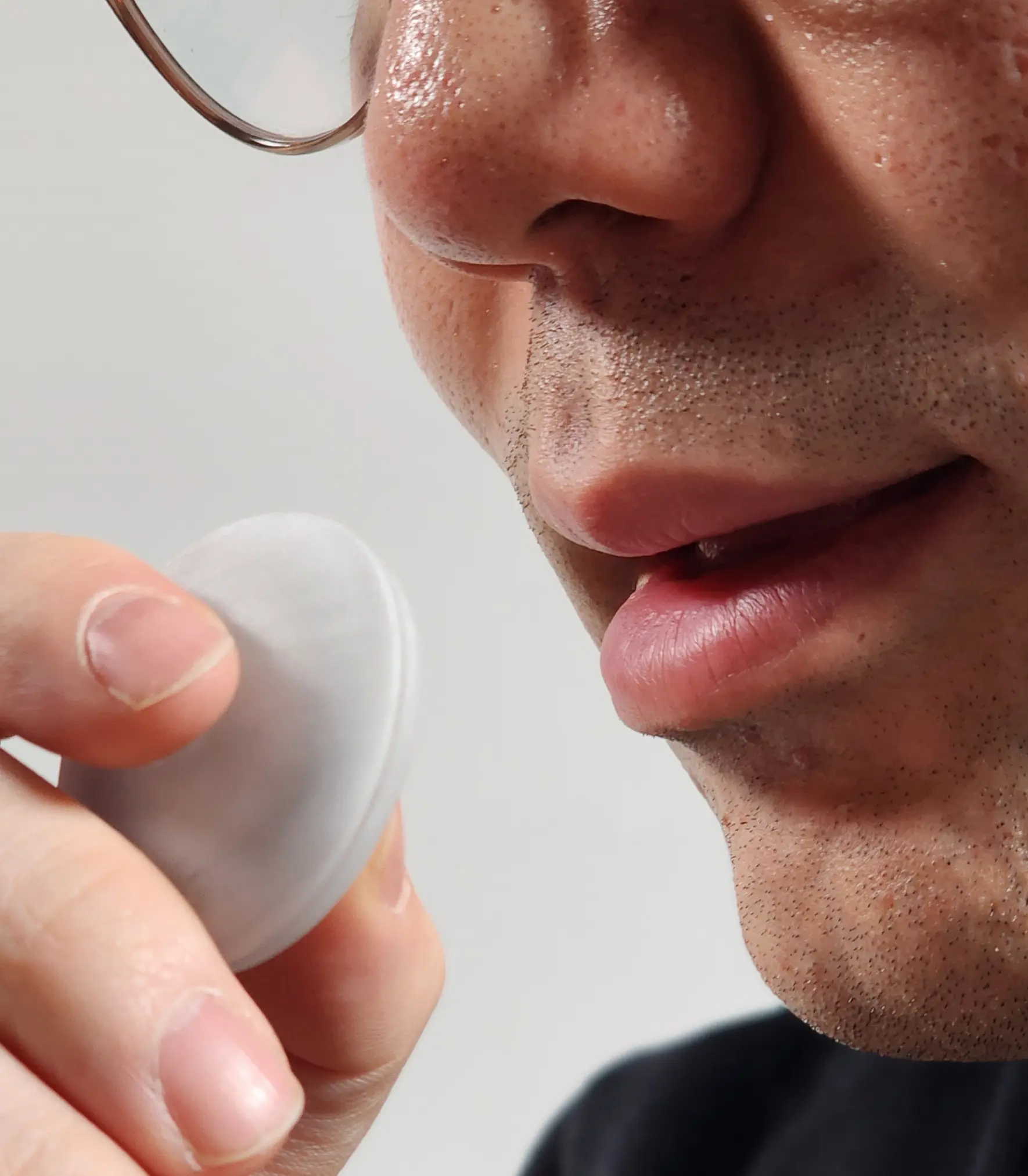
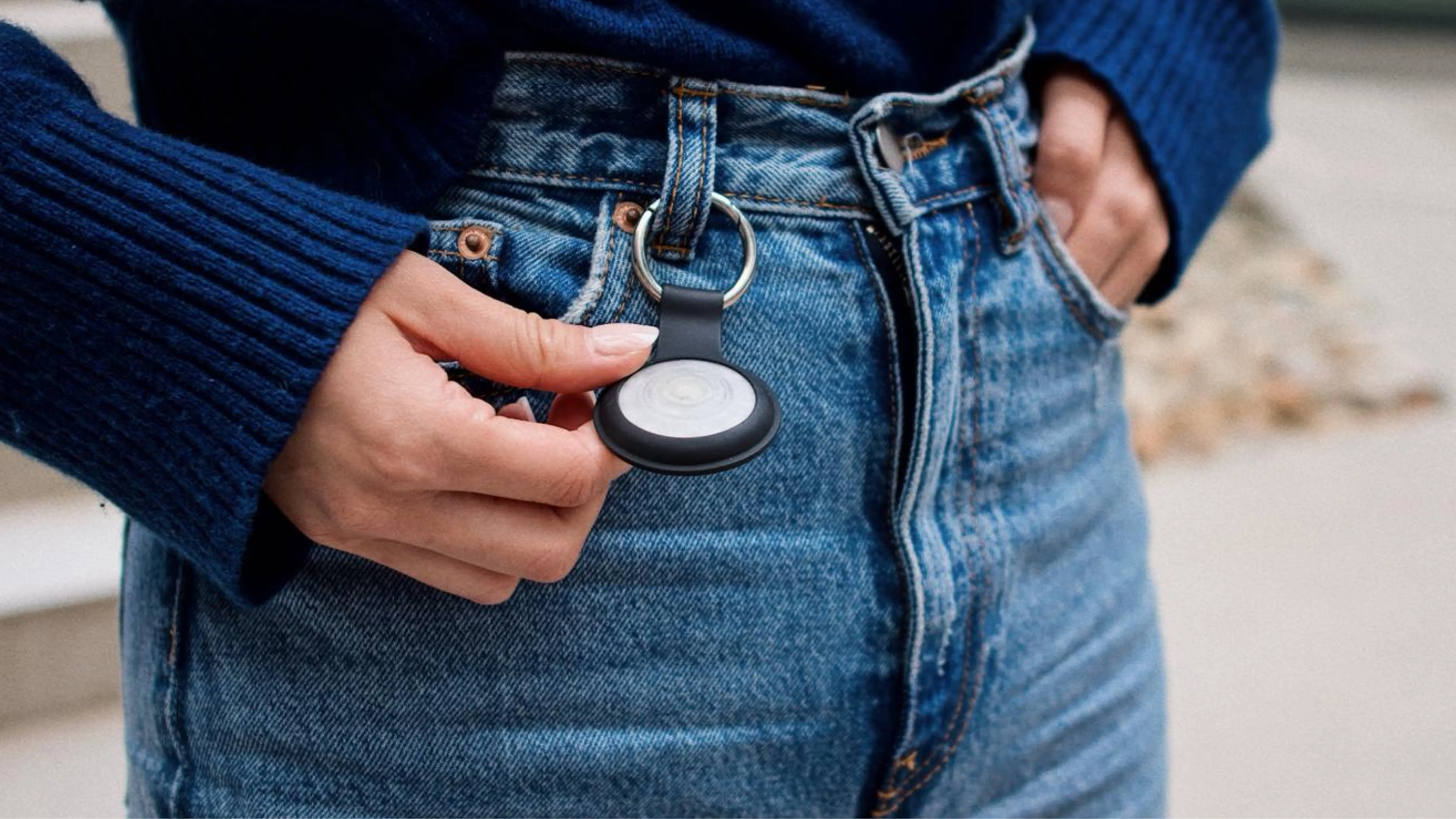
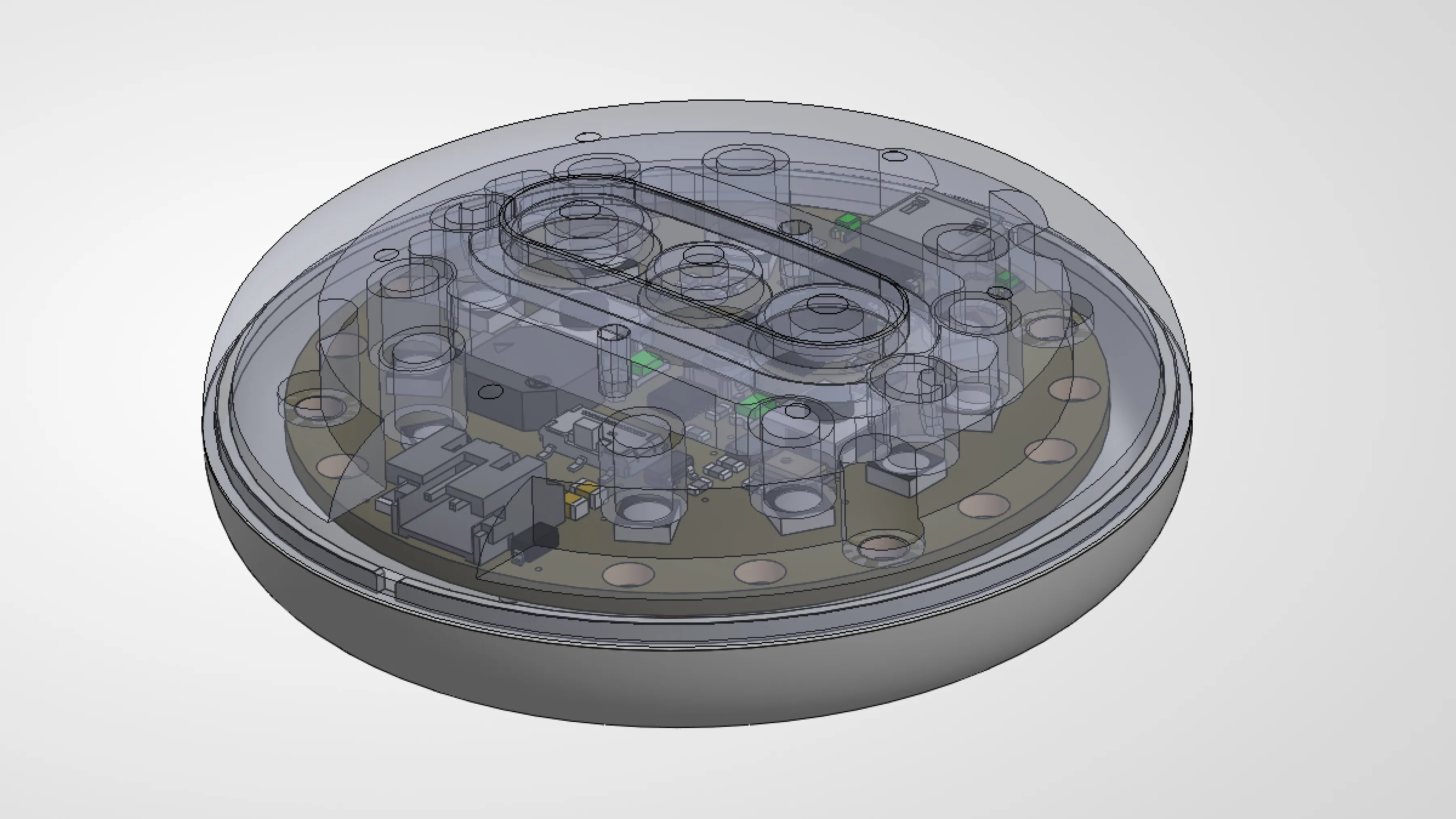
Enso is a Bluetooth-enabled (ESP32 microcontroller) device built to support addiction recovery. Designed in a discrete and lightweight package, Enso allows individuals to record and send voice notes as a means to build social support and connection. The device also uses light and vibration to facilitate clinically-proven practices for self-regulation during cravings.

Enso was developed in collaboration with Hessan Sedaghat and Dan Kim as part of our core design studio at Harvard's Master of Design Engineering program. The project took shape over 8 weeks in spring 2024 and is being carried forward by Hessan and is currently in development and testing in collaboration with a Harvard SEAS-affiliated Lab.
Enso
Process
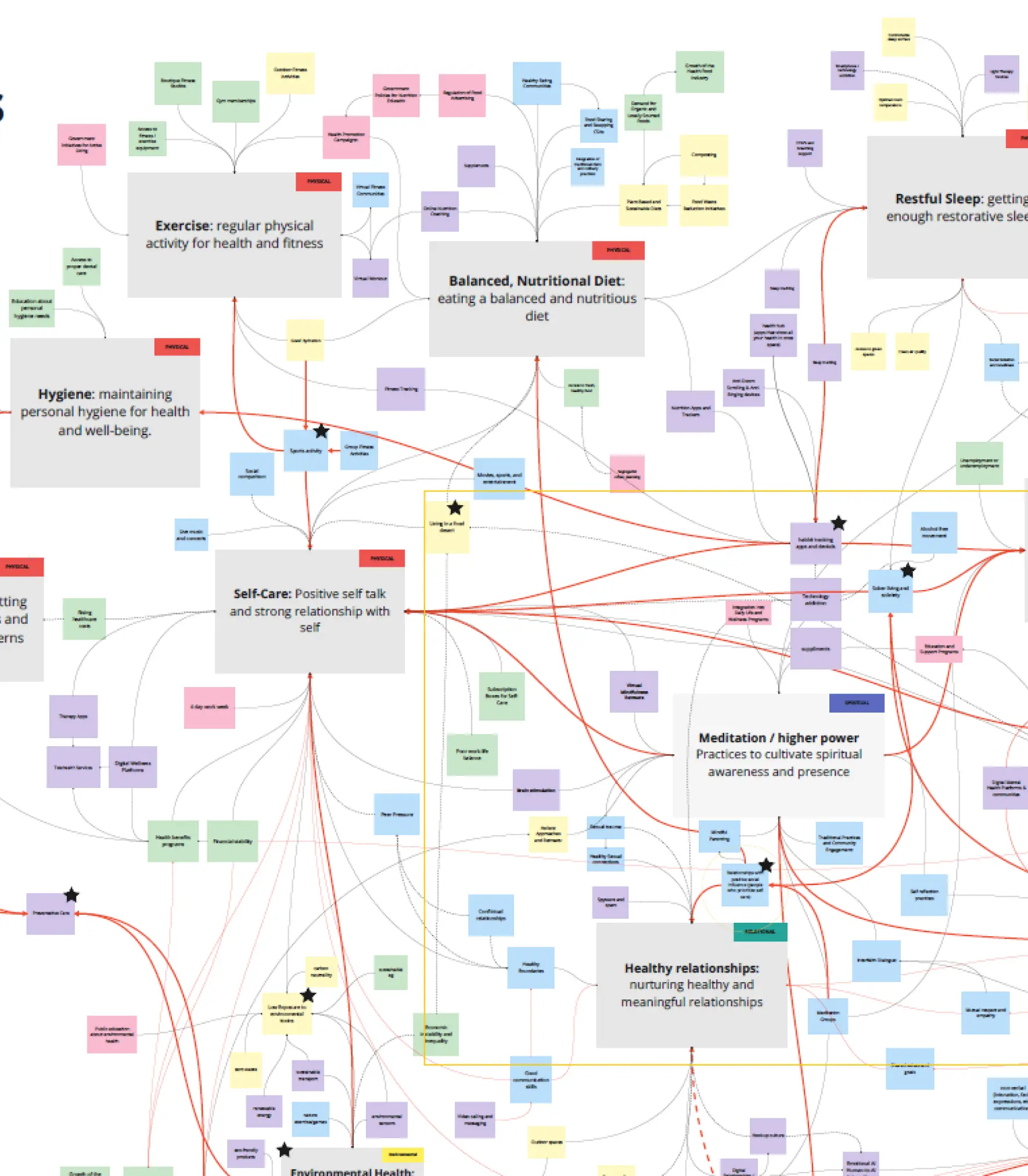
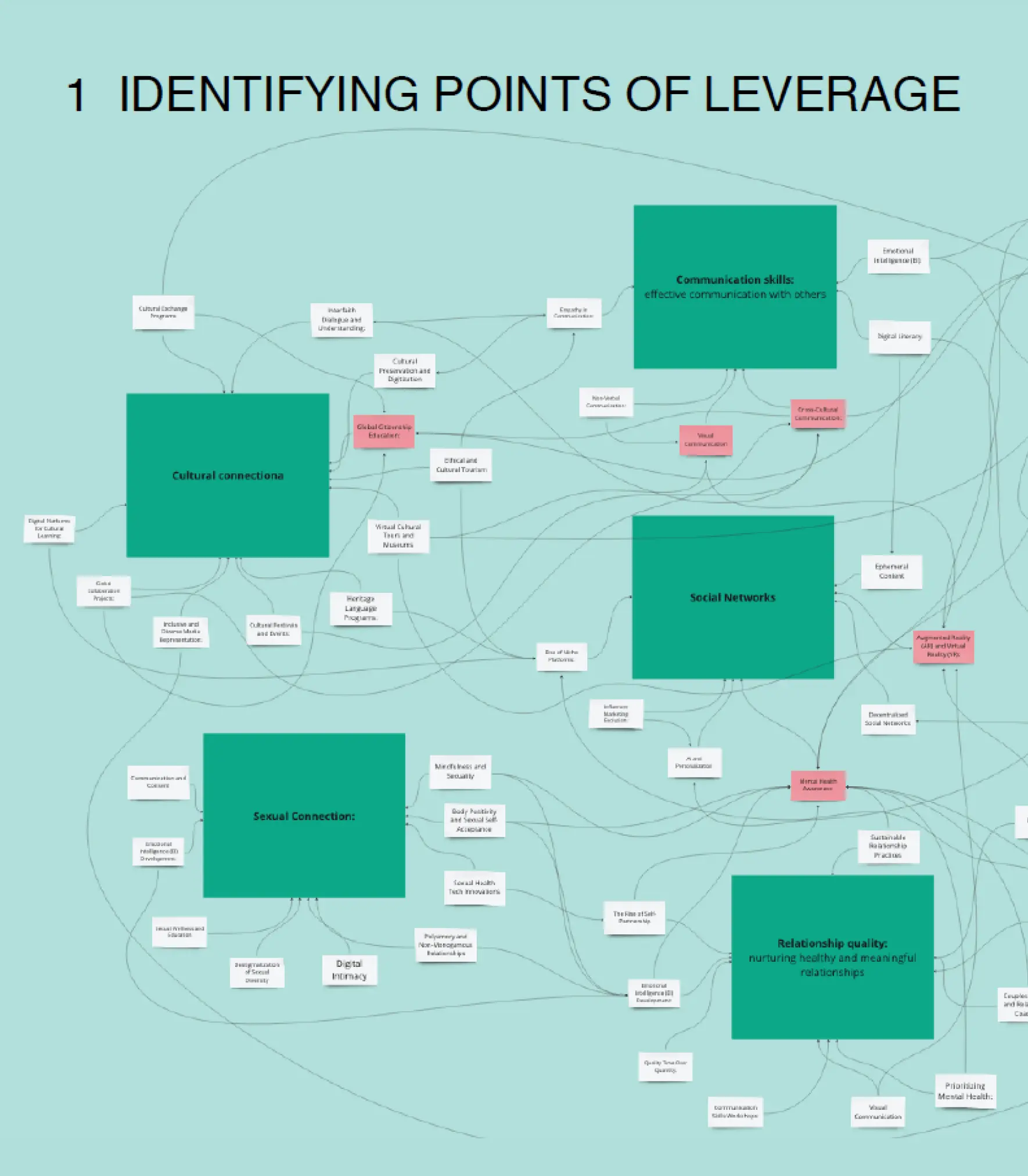
System Mapping

Our team engaged in system mapping activities and identified addiction treatment as an area primed for design intervention.

CAD + Concept Exploration

I used Solidworks CAD to develop concepts to test our hypothesis that a physical communication aid could strengthen social bonding and improve recovery outcomes.

Prototyping + Iterative Development

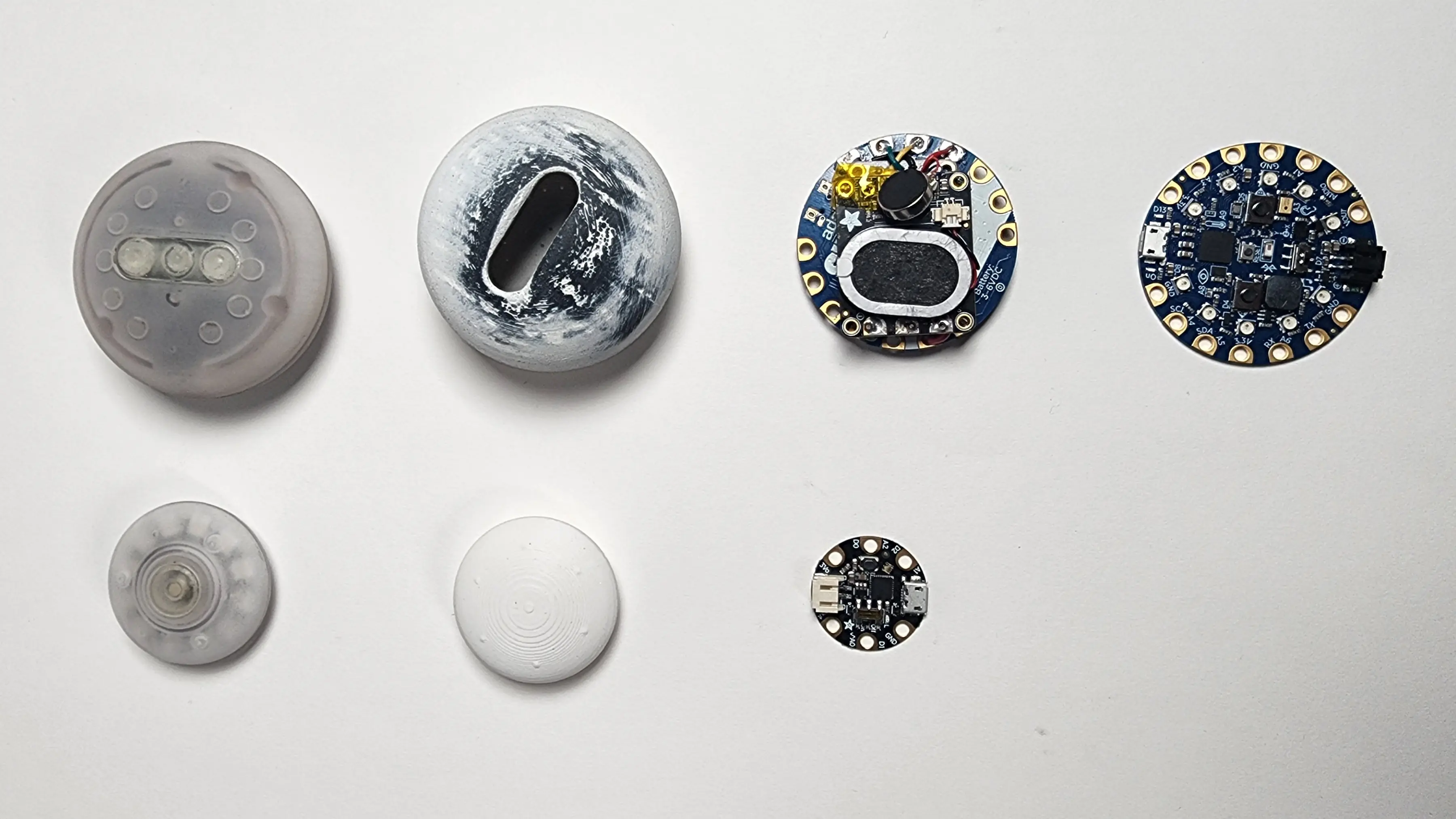
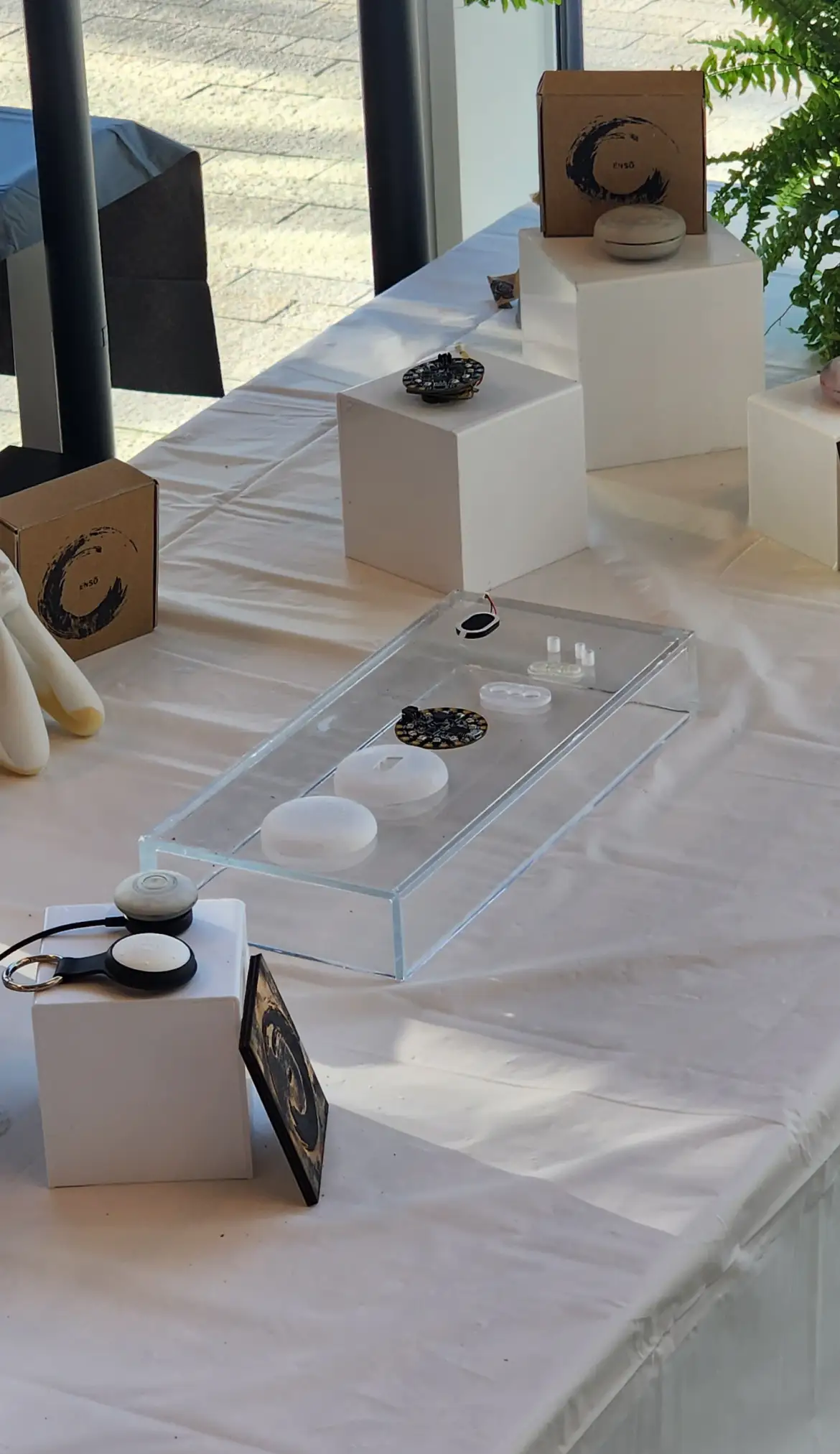
I used 3D Printing (FDM, SLA), casting (silicone), and machining to develop prototypes for user testing and UX validation.

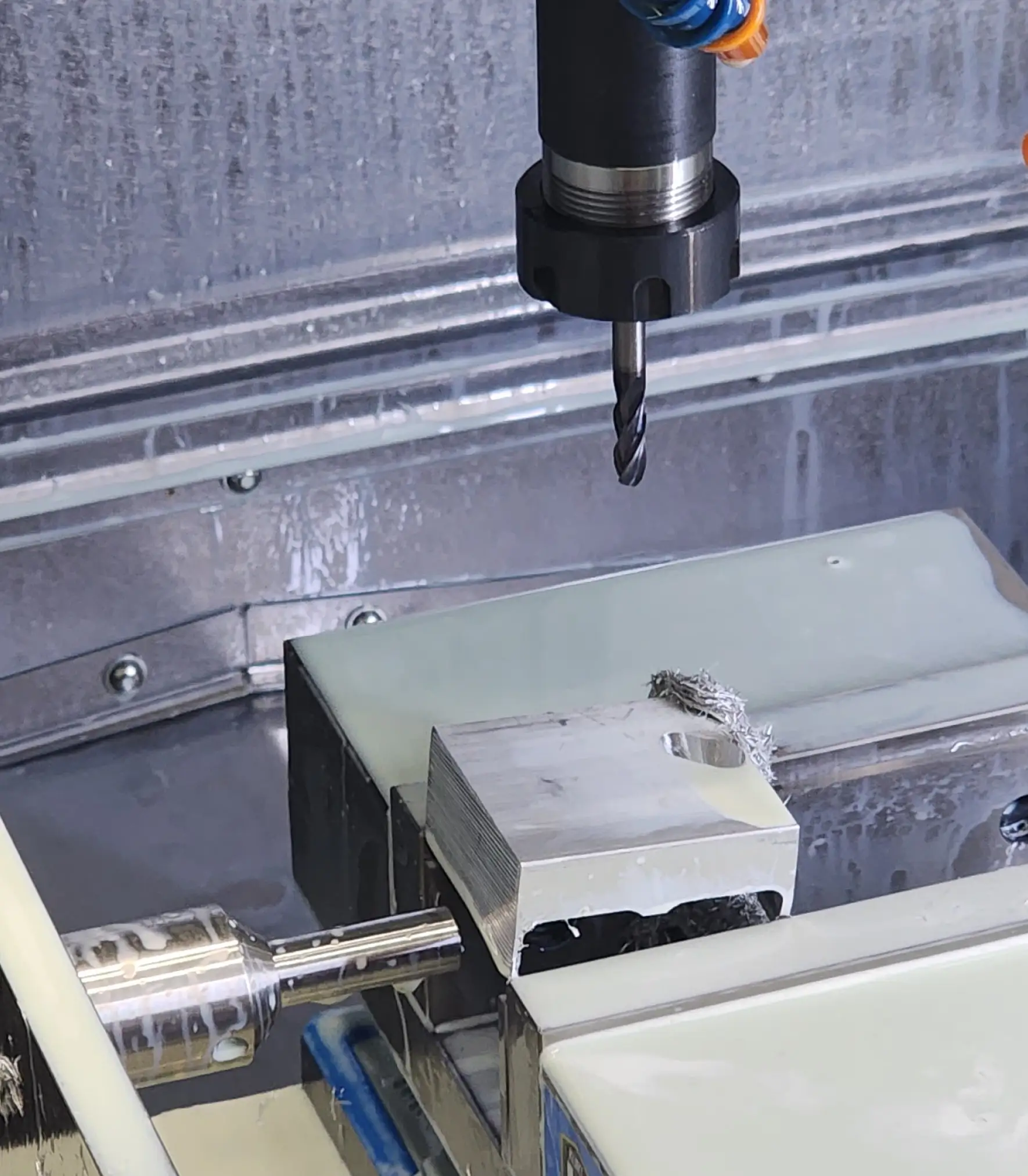
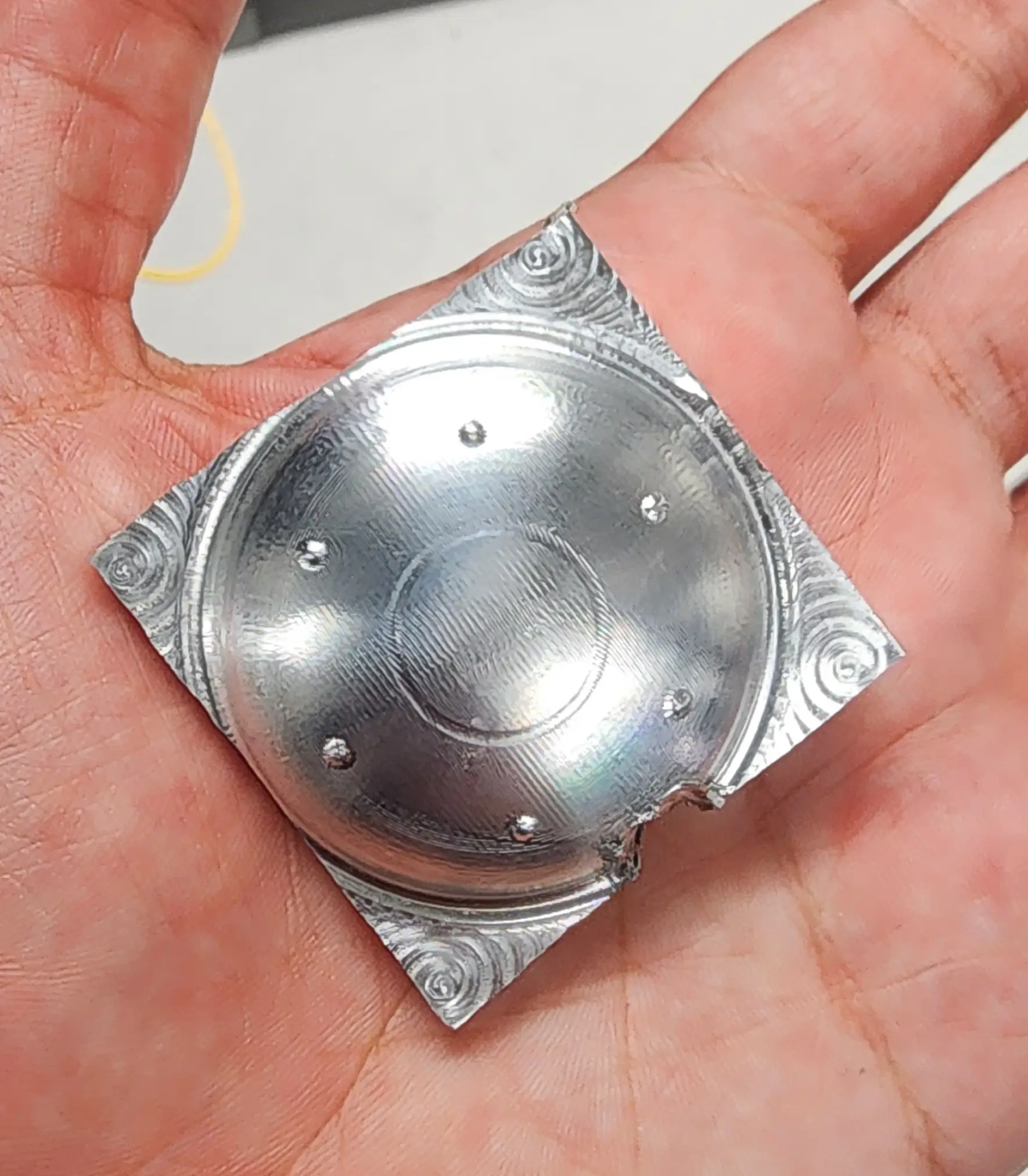
CNC Machining

I used Fusion 360 to generate tool paths, fabricate looks-like models, and test different material and weight variations.

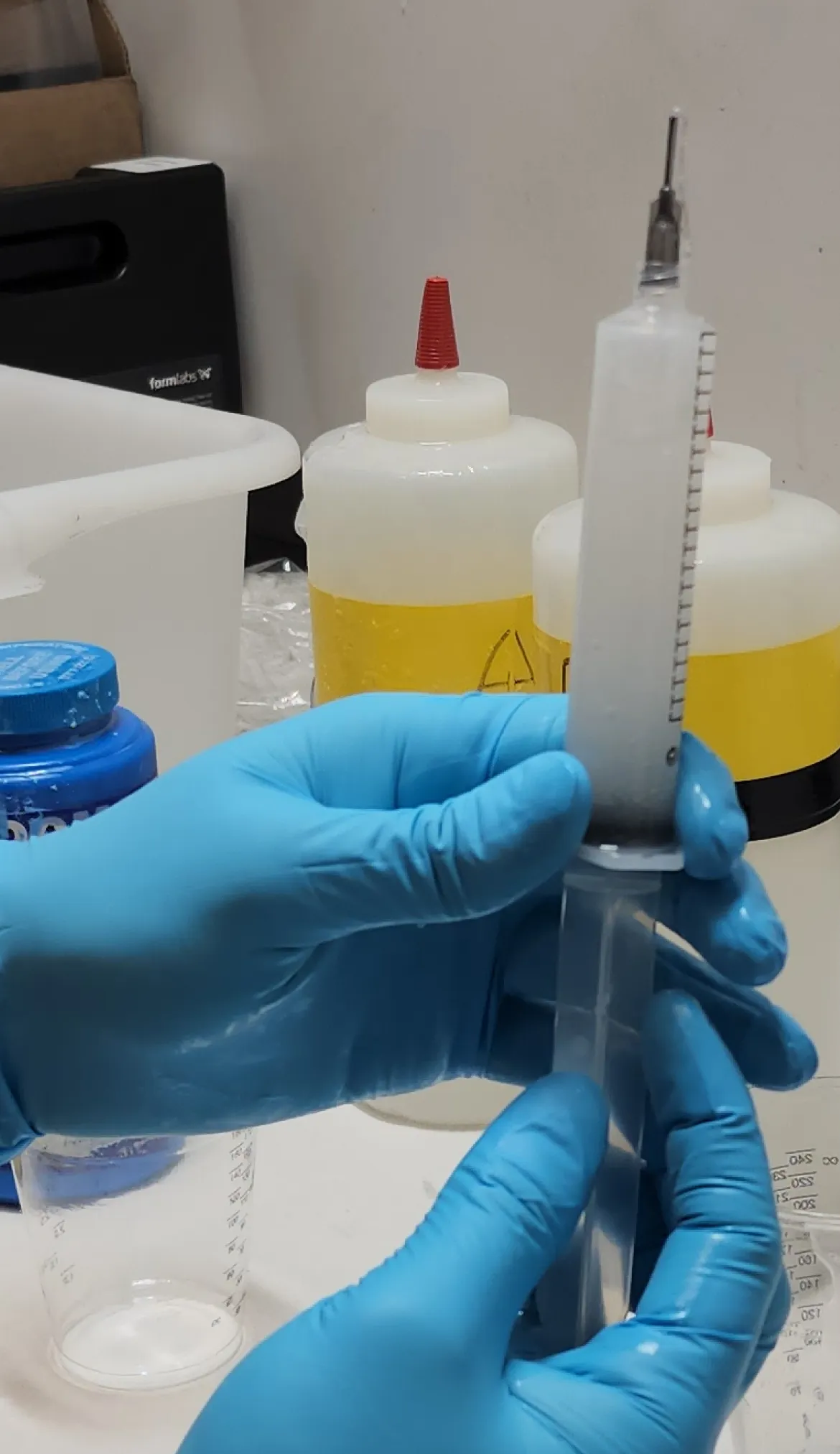
Urethane + Silicone Casting

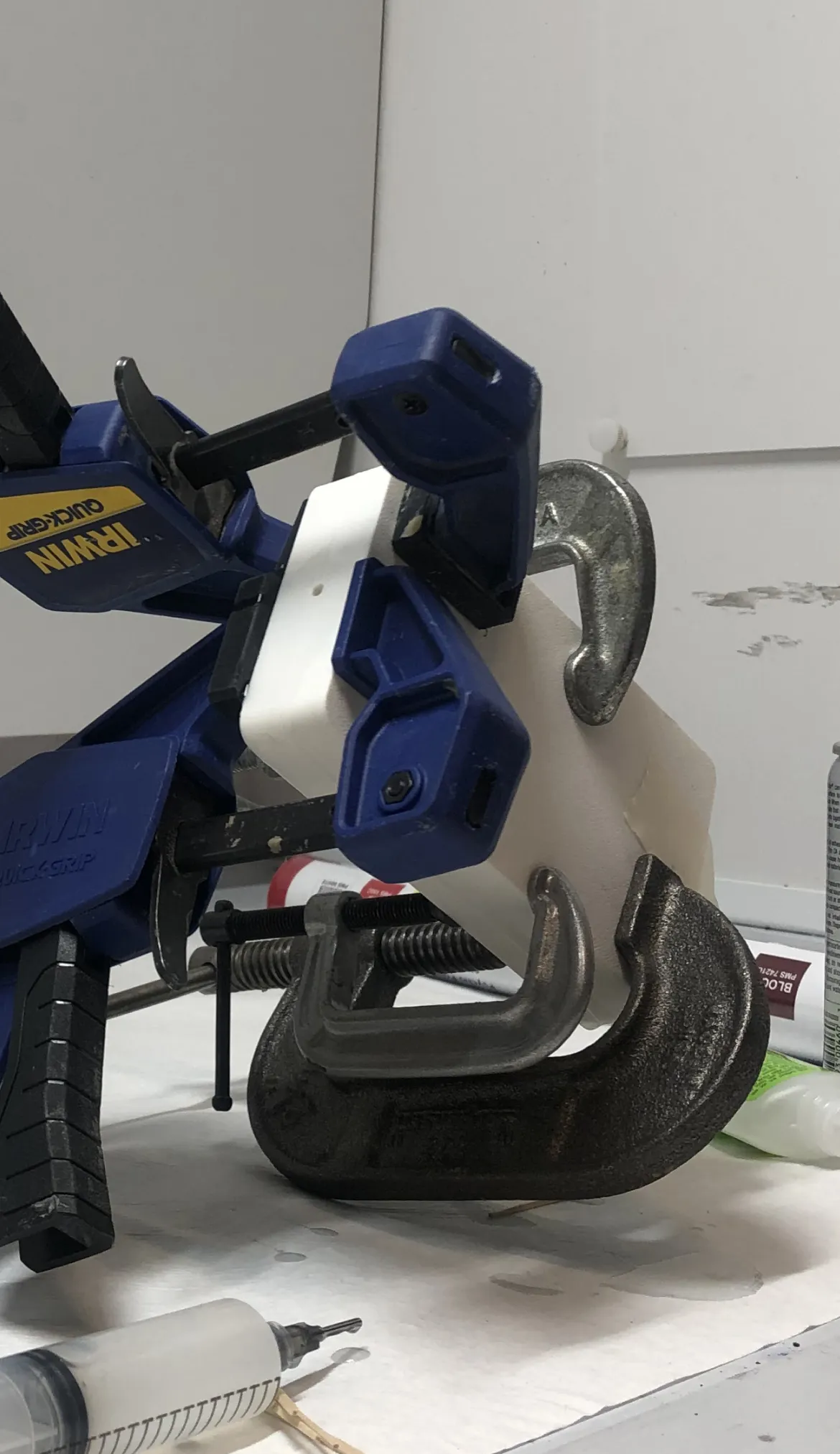
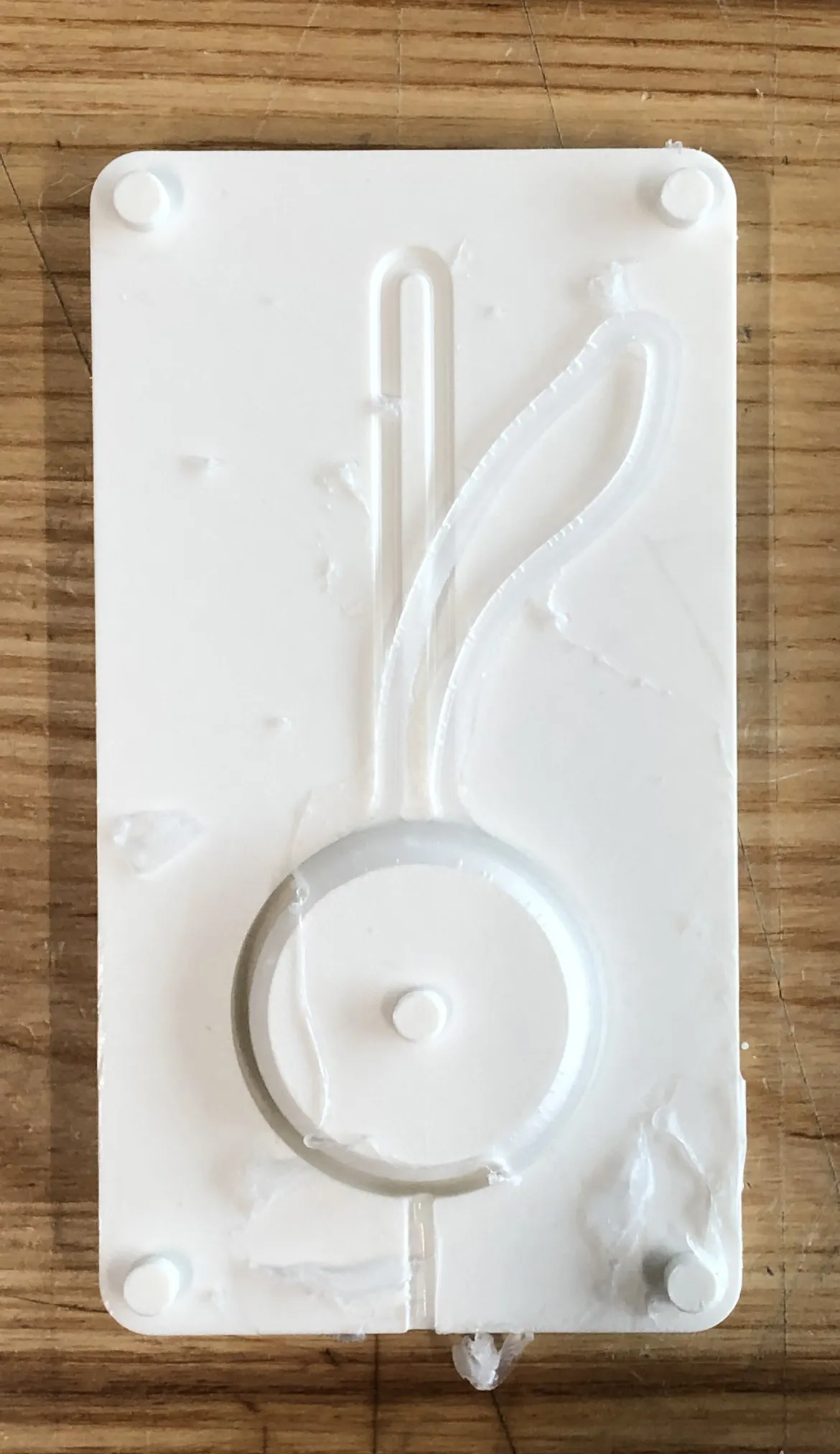
I used 3D printed hard tools (FDM) to cast silicone and iterate on a compliant strap accessory to make the device easy to attach to any bag or purse.

Electronics Prototyping

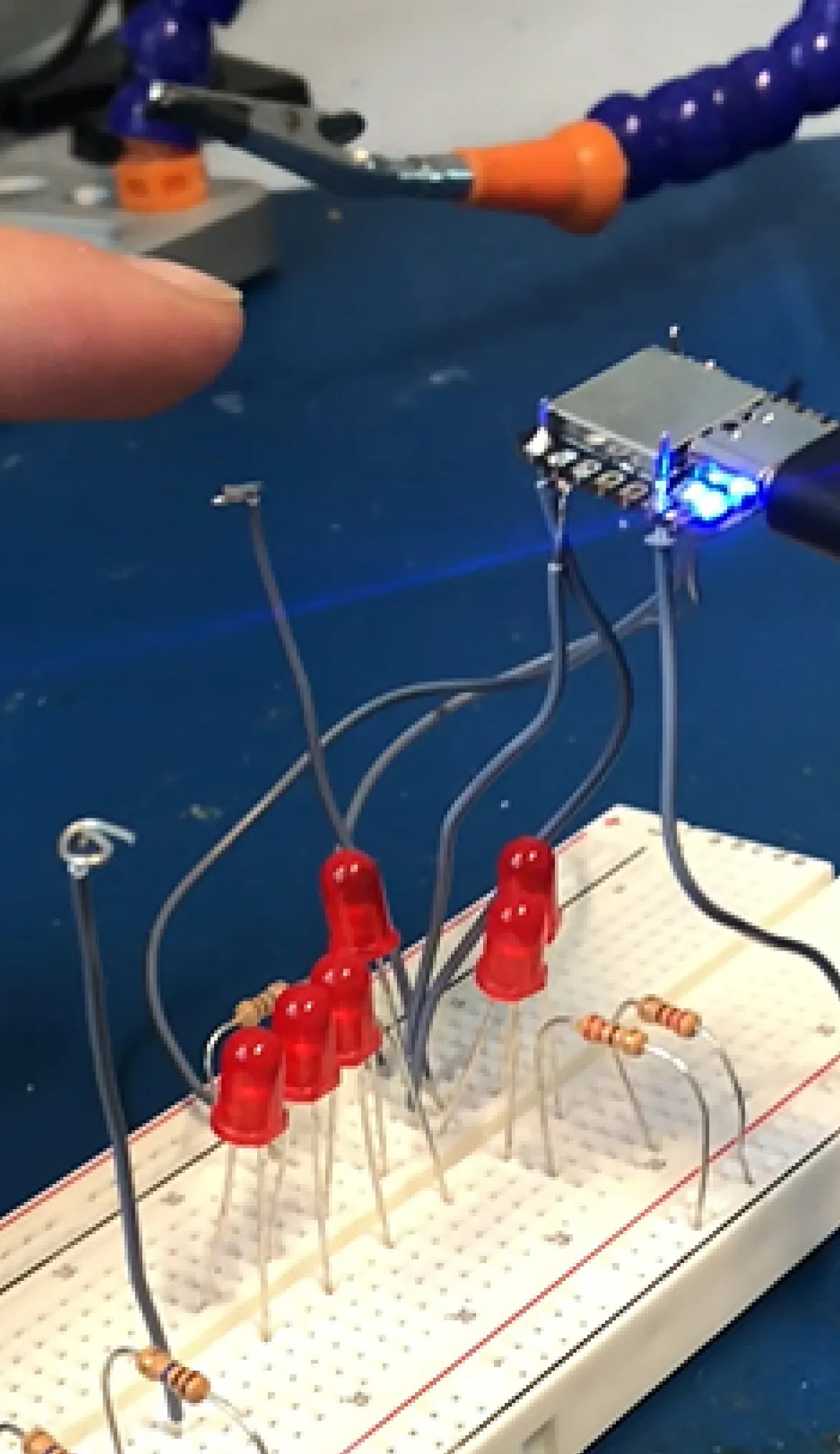
I supported electronics prototyping by selecting components, owning the Bill of Materials (BOM), and using Arduino (Nano) to create capacitive touch and inductive charging circuits.

User Validation Study

I also supported user testing by developing user study guides and coding user feedback to support feature decisions.

Rendering

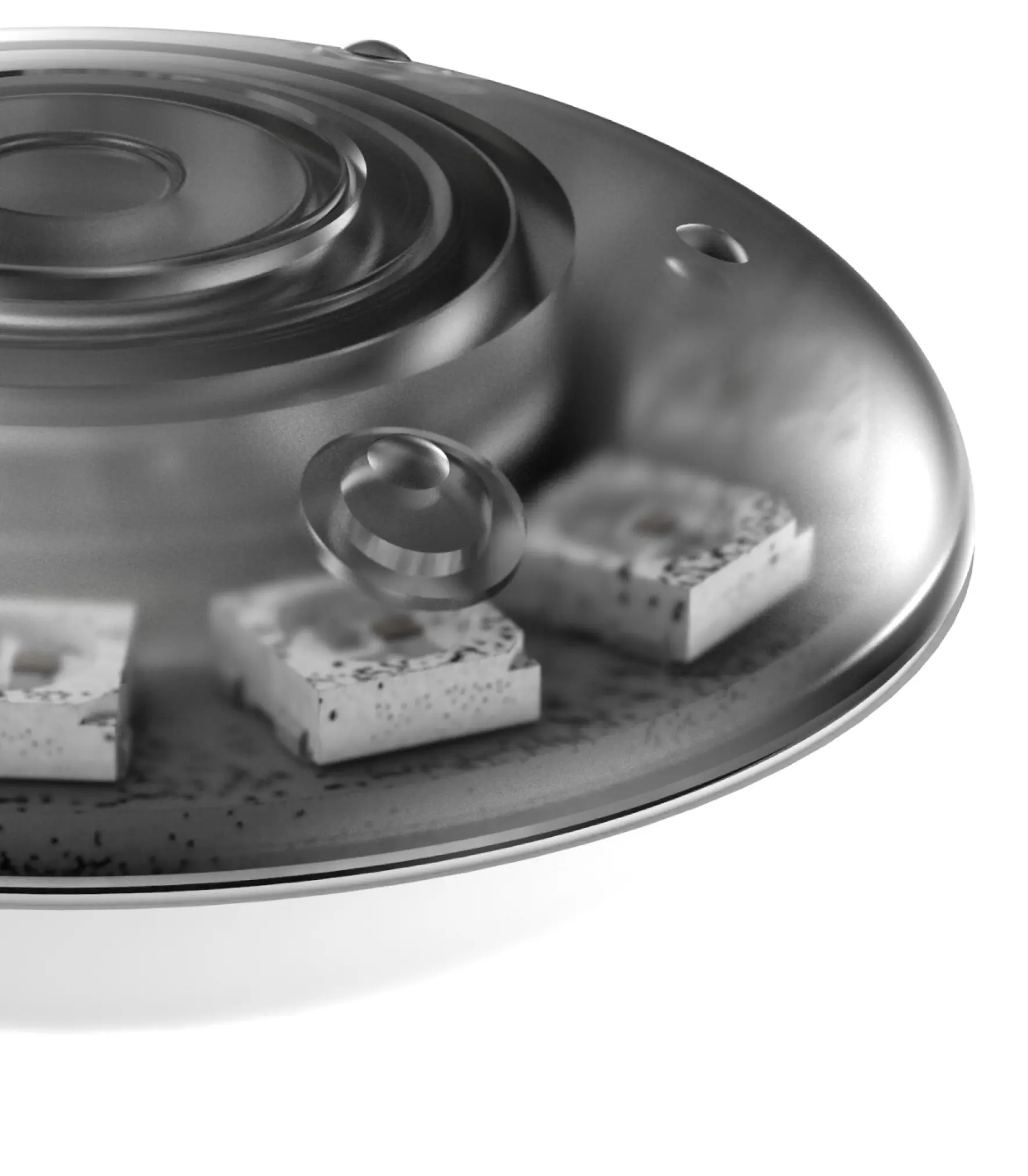
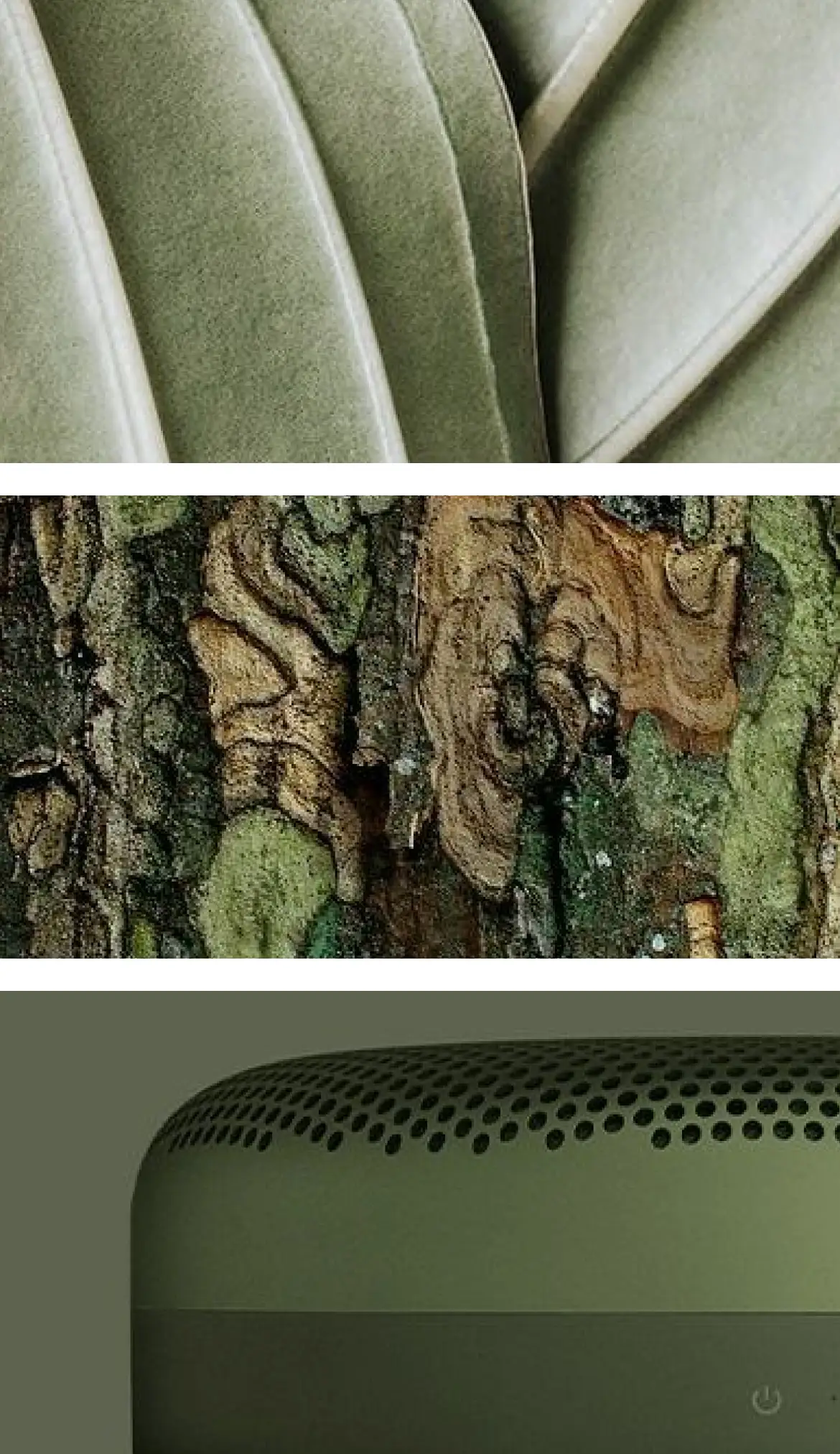
I used Keyshot and Photoshop (rendering) to create renders for testing different material, color, and finish (CMF) configurations.

Creative Direction

I used Adobe Illustrator and Photoshop to establish our creative direction through several iterative rounds and used laser cutting to create packaging mockups.

Lessons + Next Steps

Enso is being carried forward by Hessan Sedaghat and is currently being developed and tested in collaboration with a Harvard SEAS-affiliated Lab.
Acknowledgements

Thank you Hessan Sedaghat and Dan Kim for your teamwork and collaboration. Also thank you to Karen Reuther, Todd Rogers, and Jonathan Grinham for your thoughtful design critique and support.