Venus System / NeoChord / 2017-2019

×

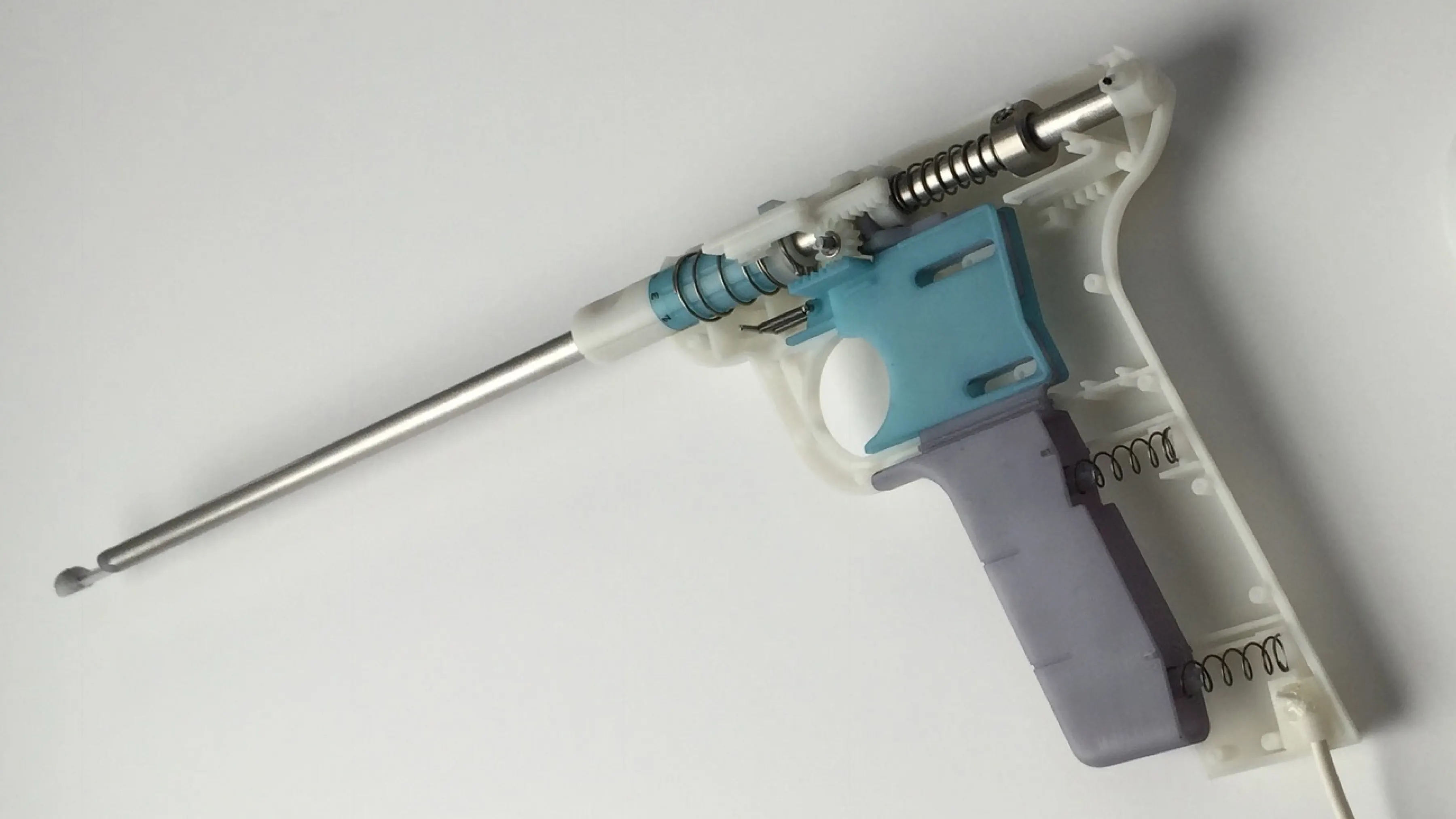
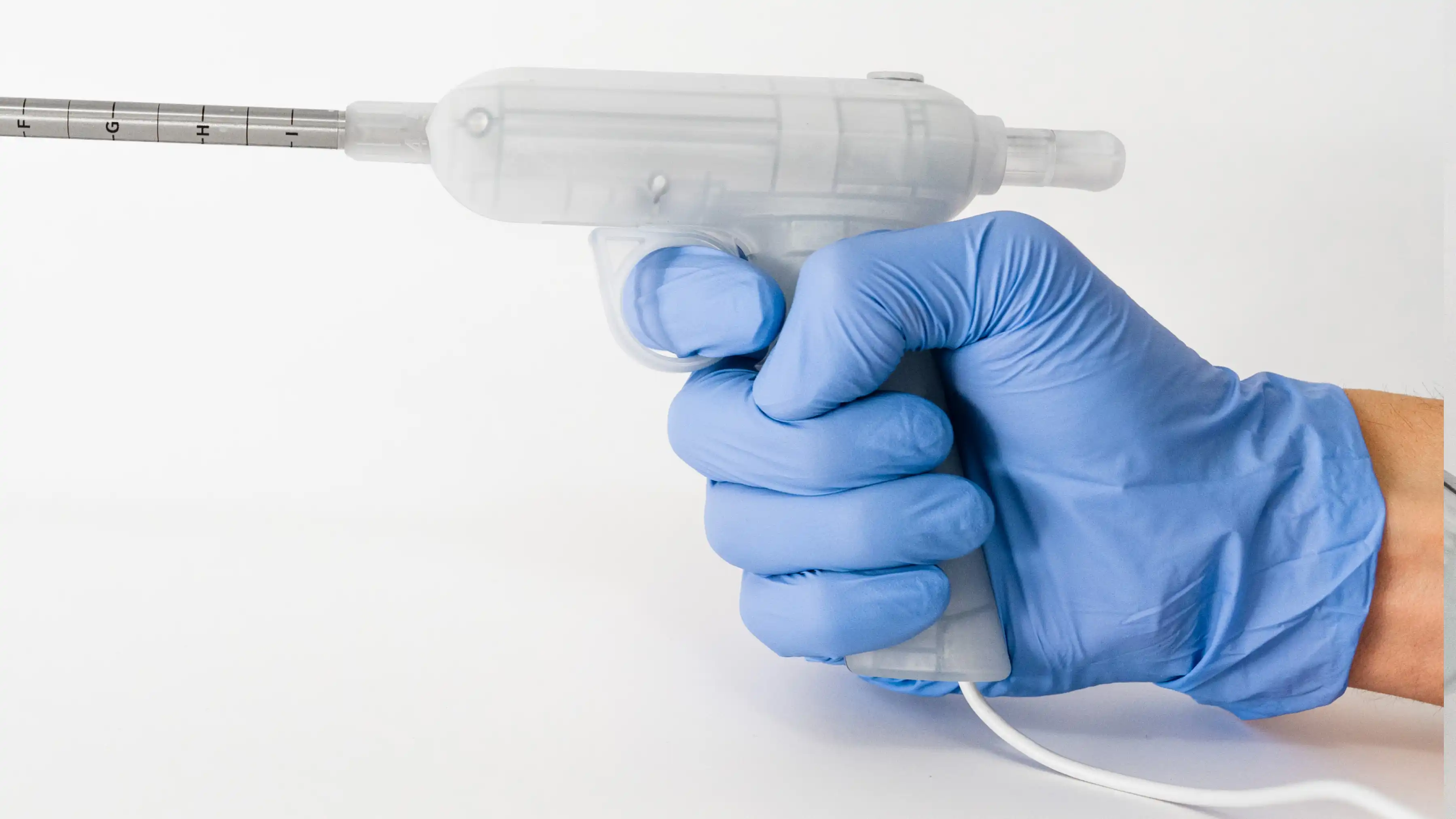
A single-handed surgical instrument for repairing a beating mitral valve.

Skills

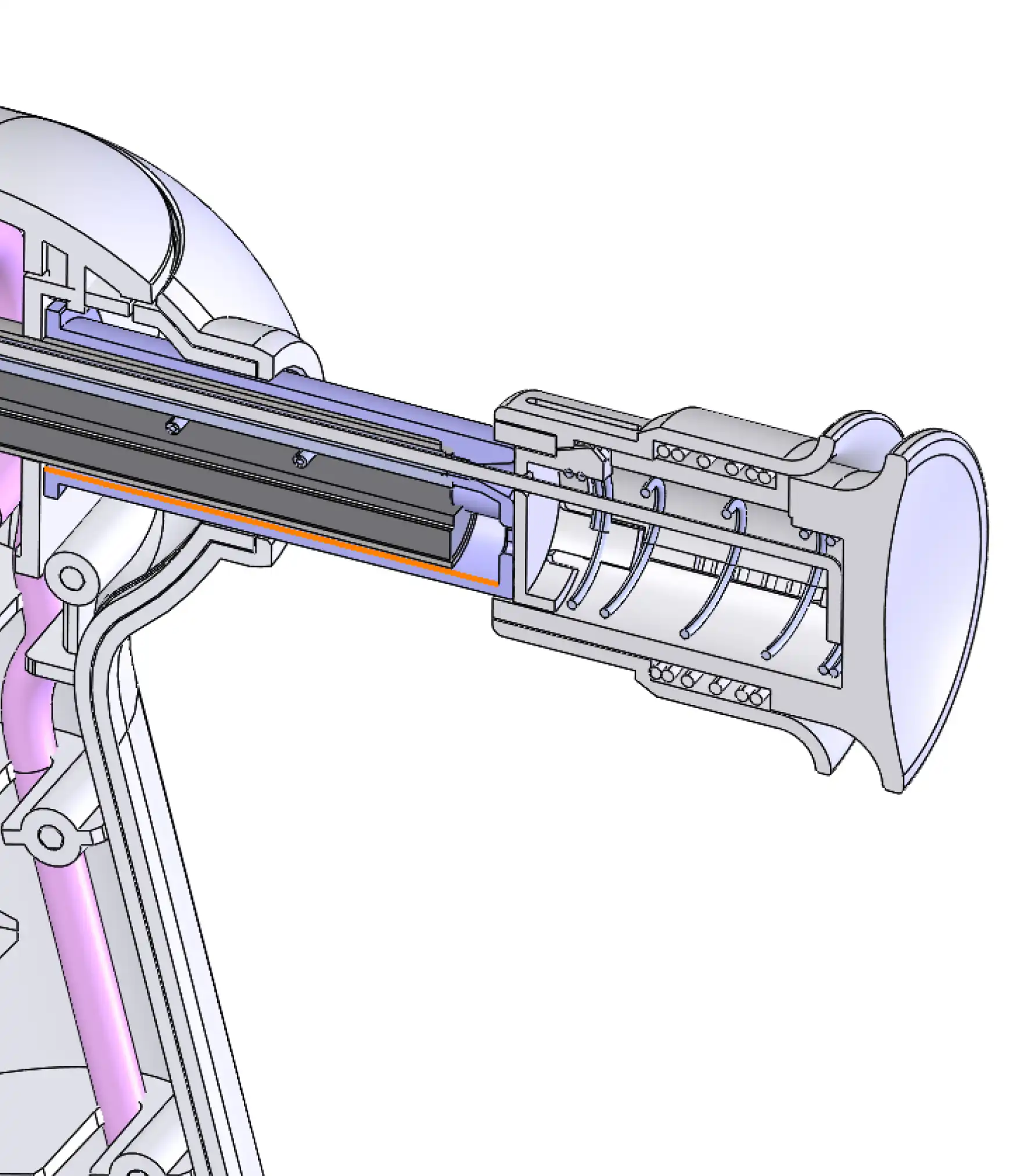
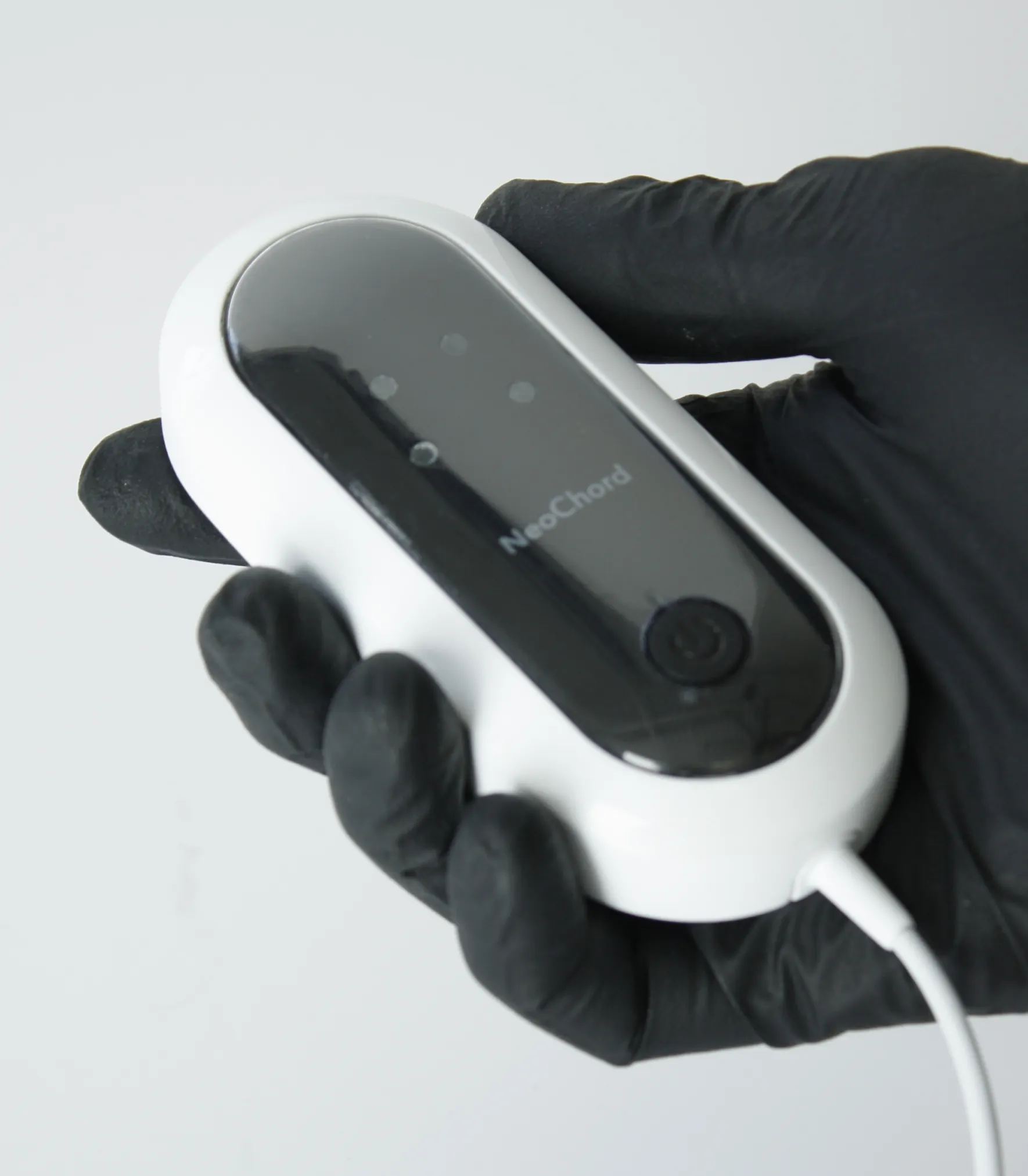
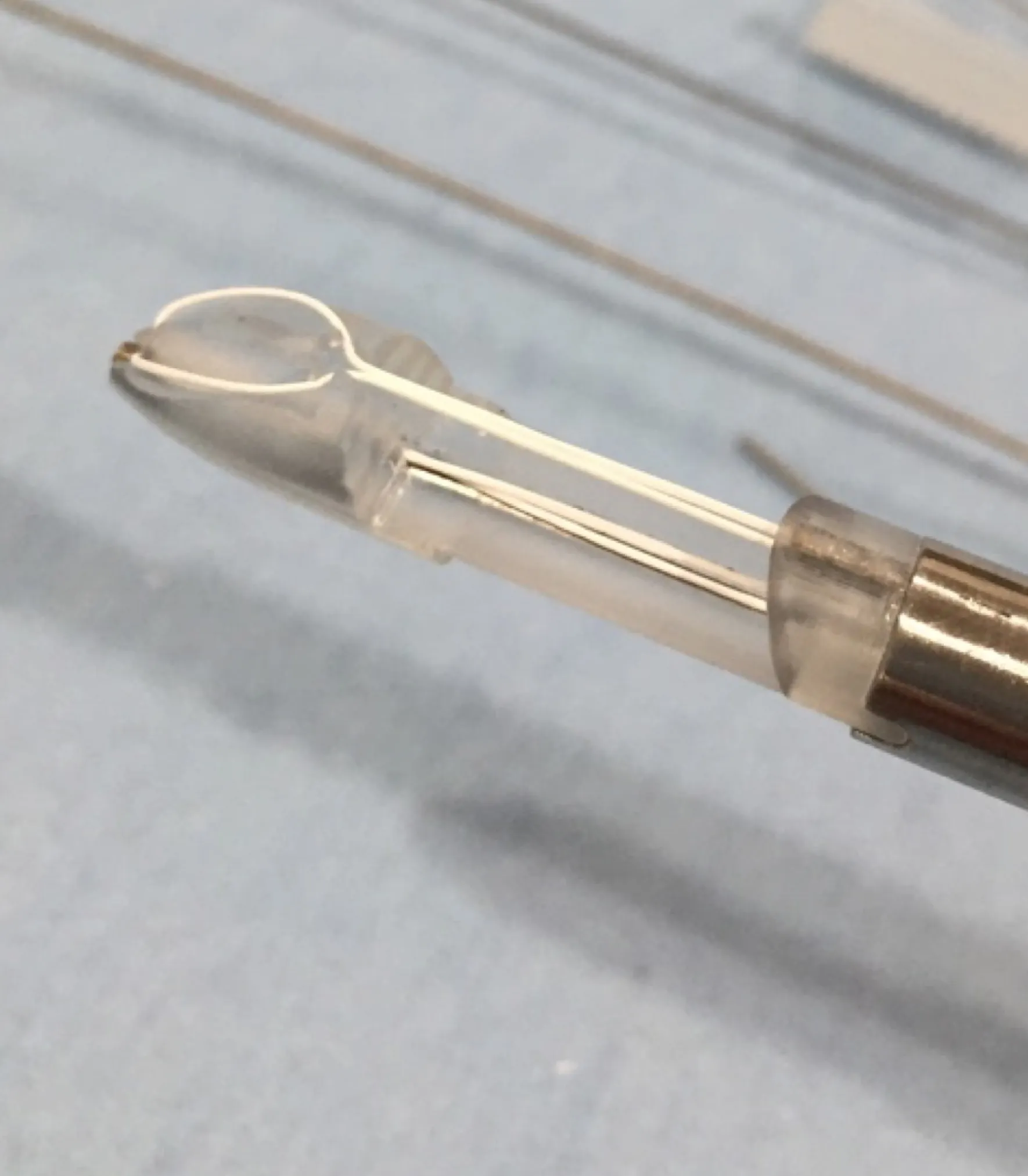
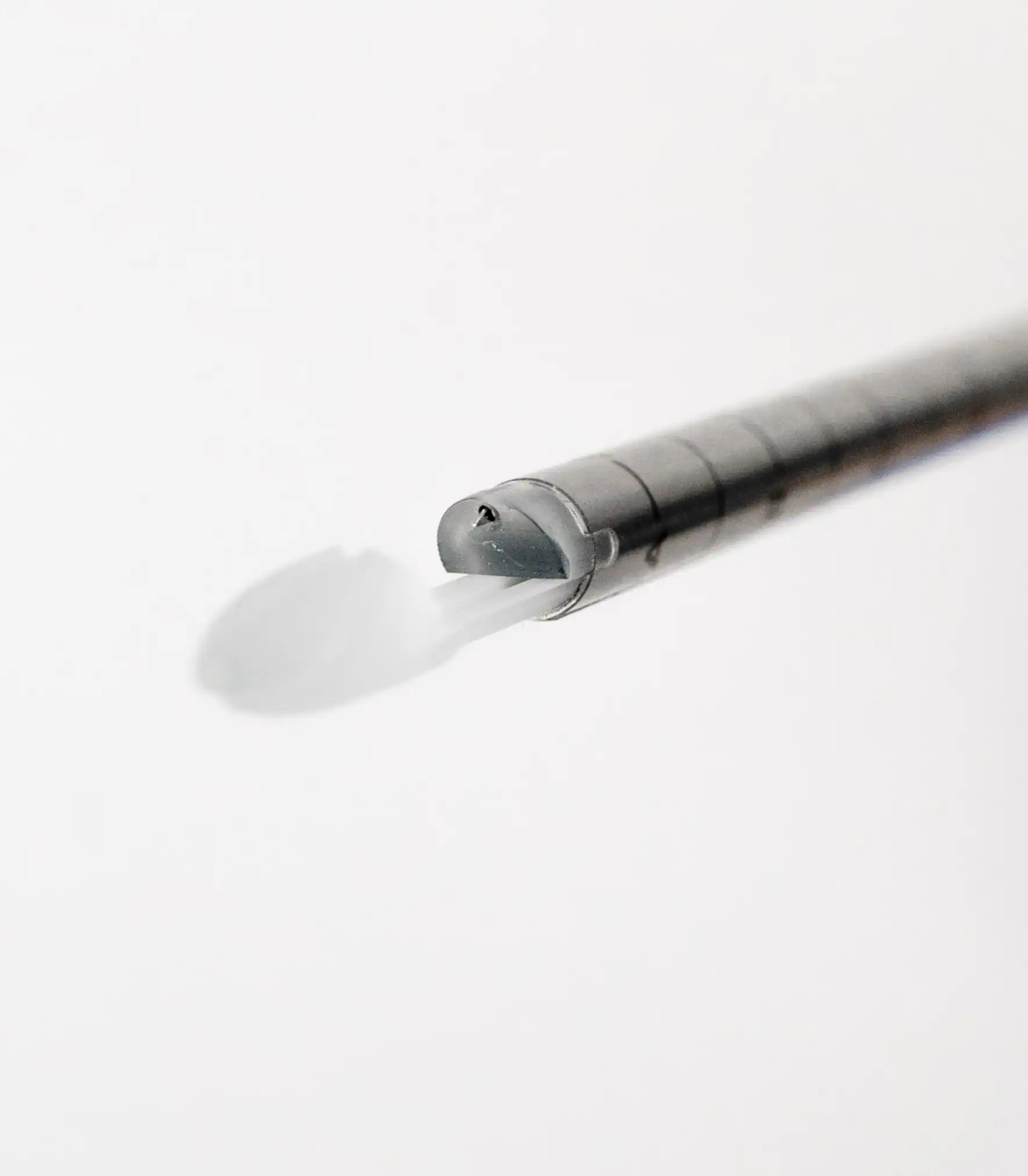
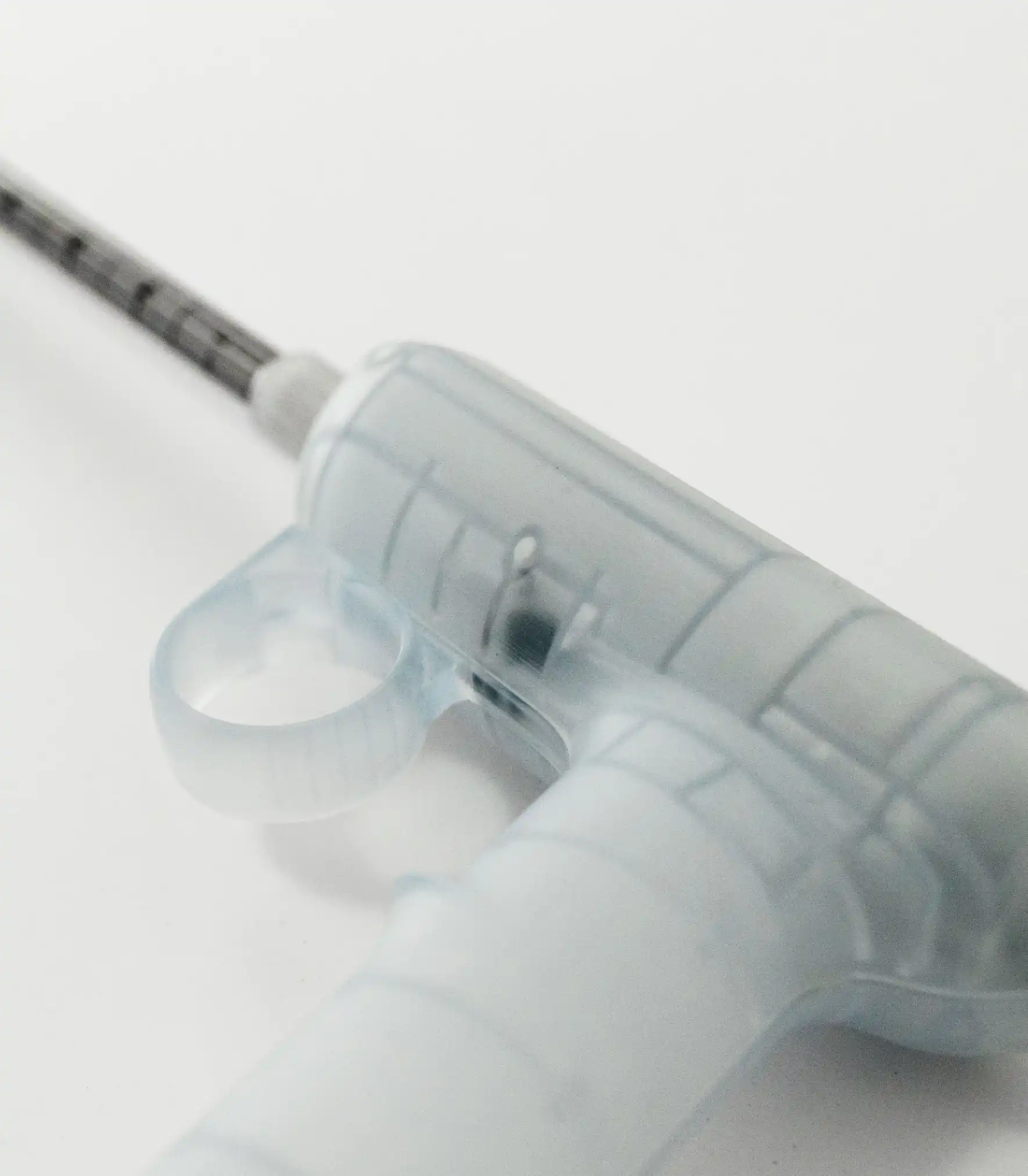
The Venus system is the evolution of Neochord's DS1000 system for repairing a damaged mitral heart valve. The device uses a precision clamping mechanism to capture fatigued valve leaflets and deploy sutures that allow a surgeon to re-tension the leaflet. As the senior mechanical design engineer on the program, I owned the mechanical concept generation, material selection, iterative prototyping cycles, fatigue/loading analysis, and design for manufacturing.

Mitral Valve Regurgitation (MR) is a degenerative disease that affects almost 6.5 million people in the U.S. alone. The condition results in shortness of breath, lightheadedness, and fatigue and, if left untreated, can reduce life expectancy. The majority of current procedures involve full valve replacement, which can be costly and not without complications.
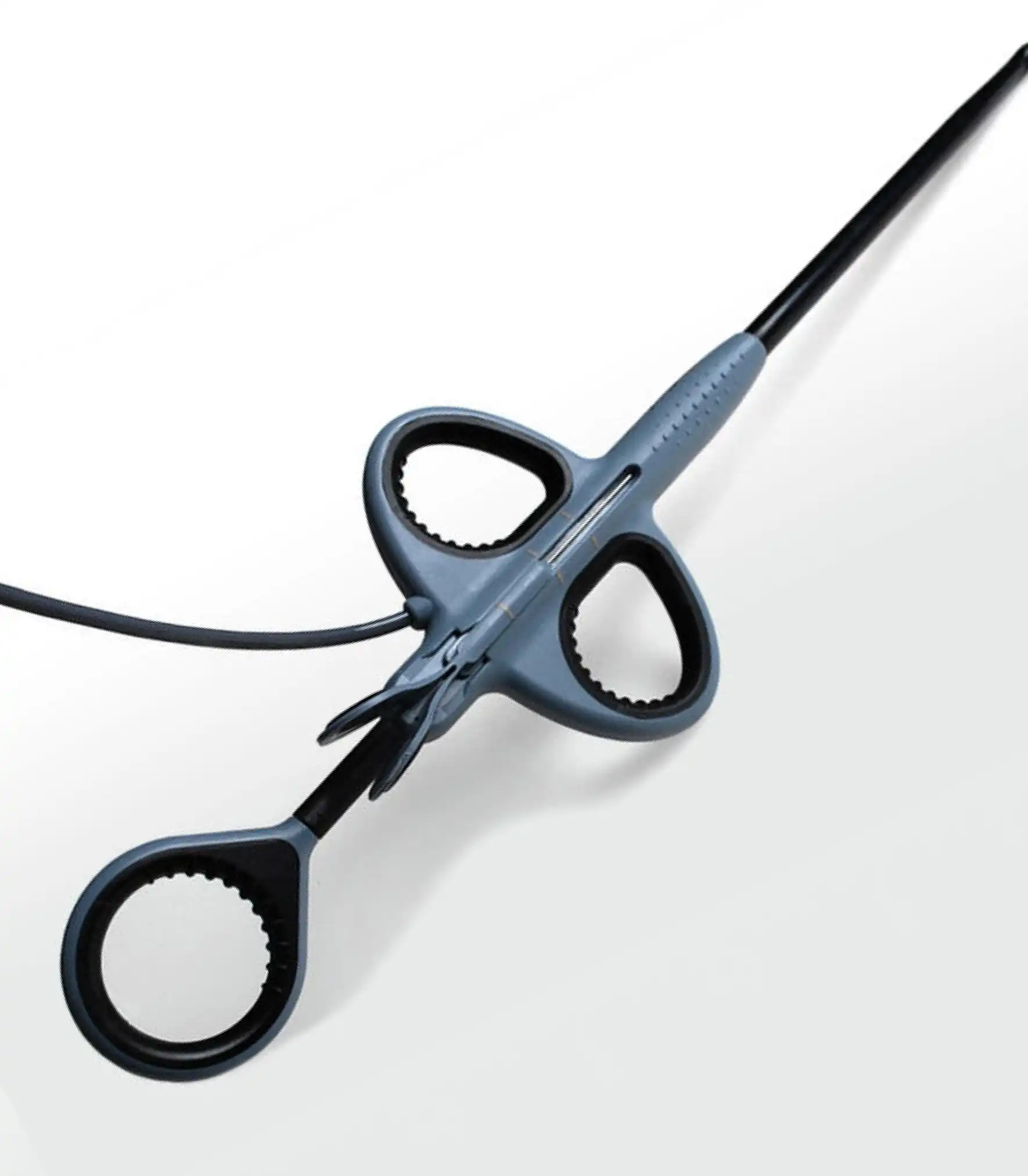
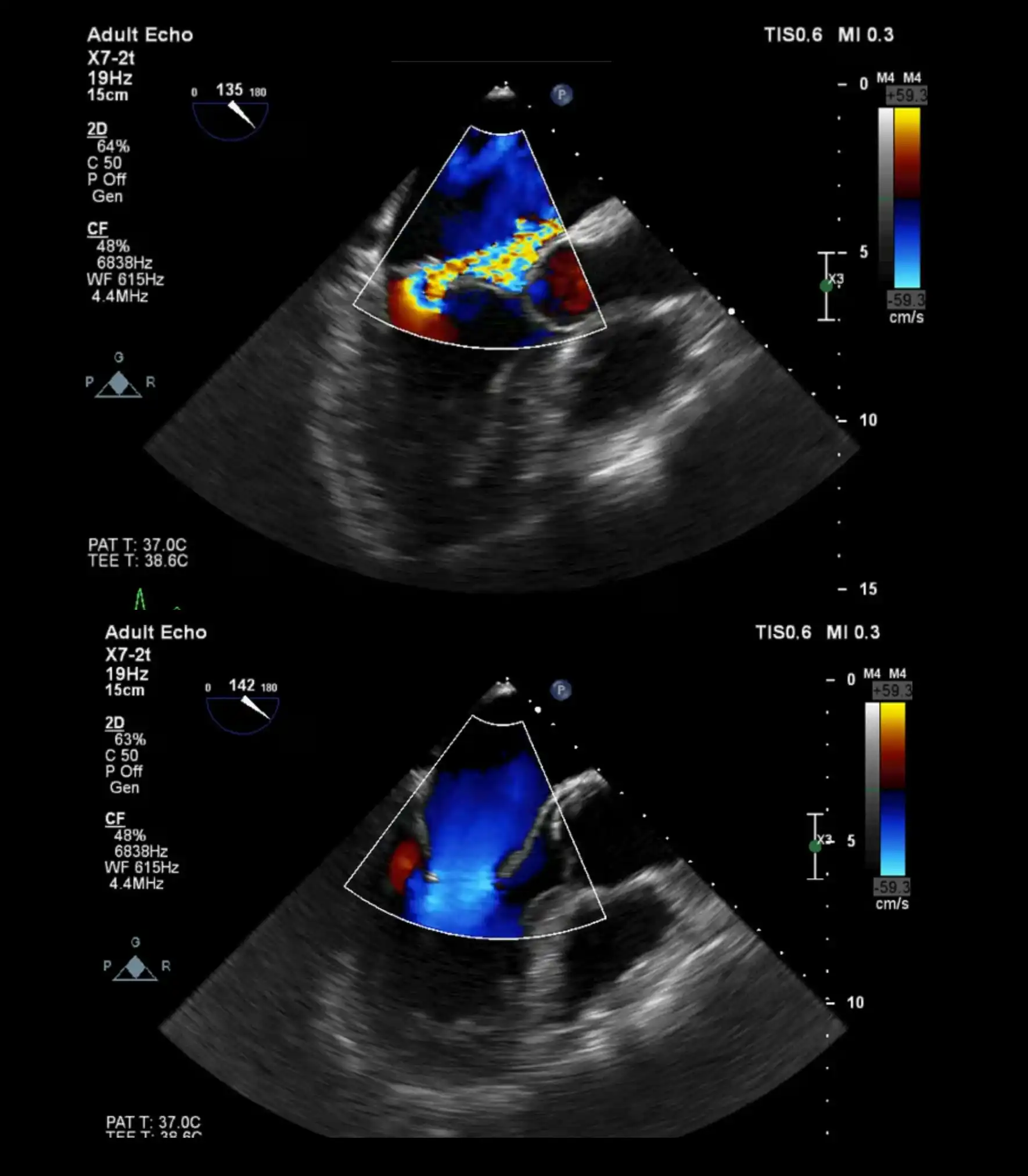
Venus System
Process
Design Brief

Neochord sought to re-engineer the DS1000, an award-winning surgical instrument for treating mitral valve regurgitation (MR), for improved ergonomics and single-handed operation.

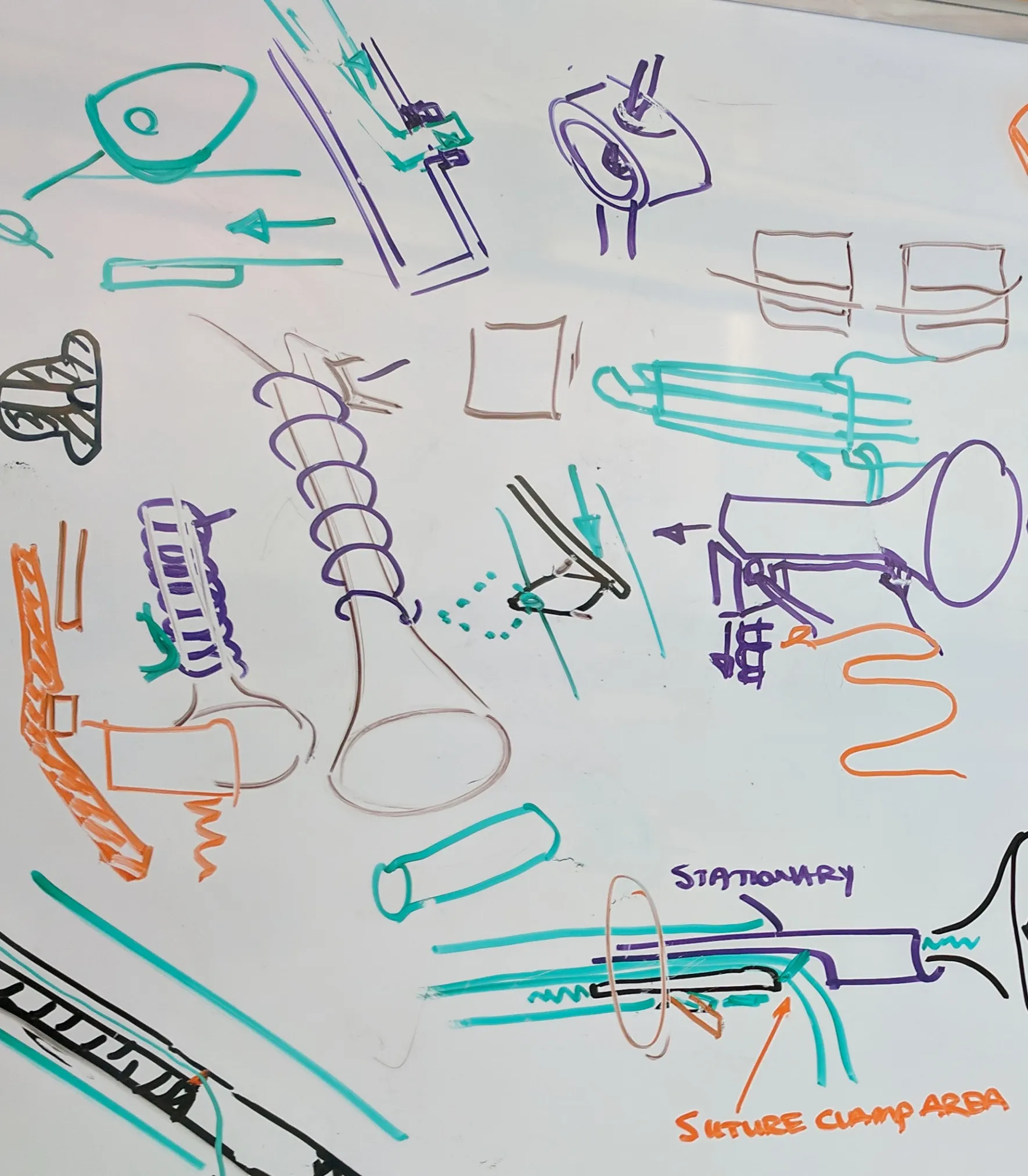
Workflow Mapping and Initial Brainstorming

I started by mapping the existing DS1000 workflow through operational diagrams, then led the team in brainstorming activities that identified several opportunities for revising the product architectures for single-handed use.

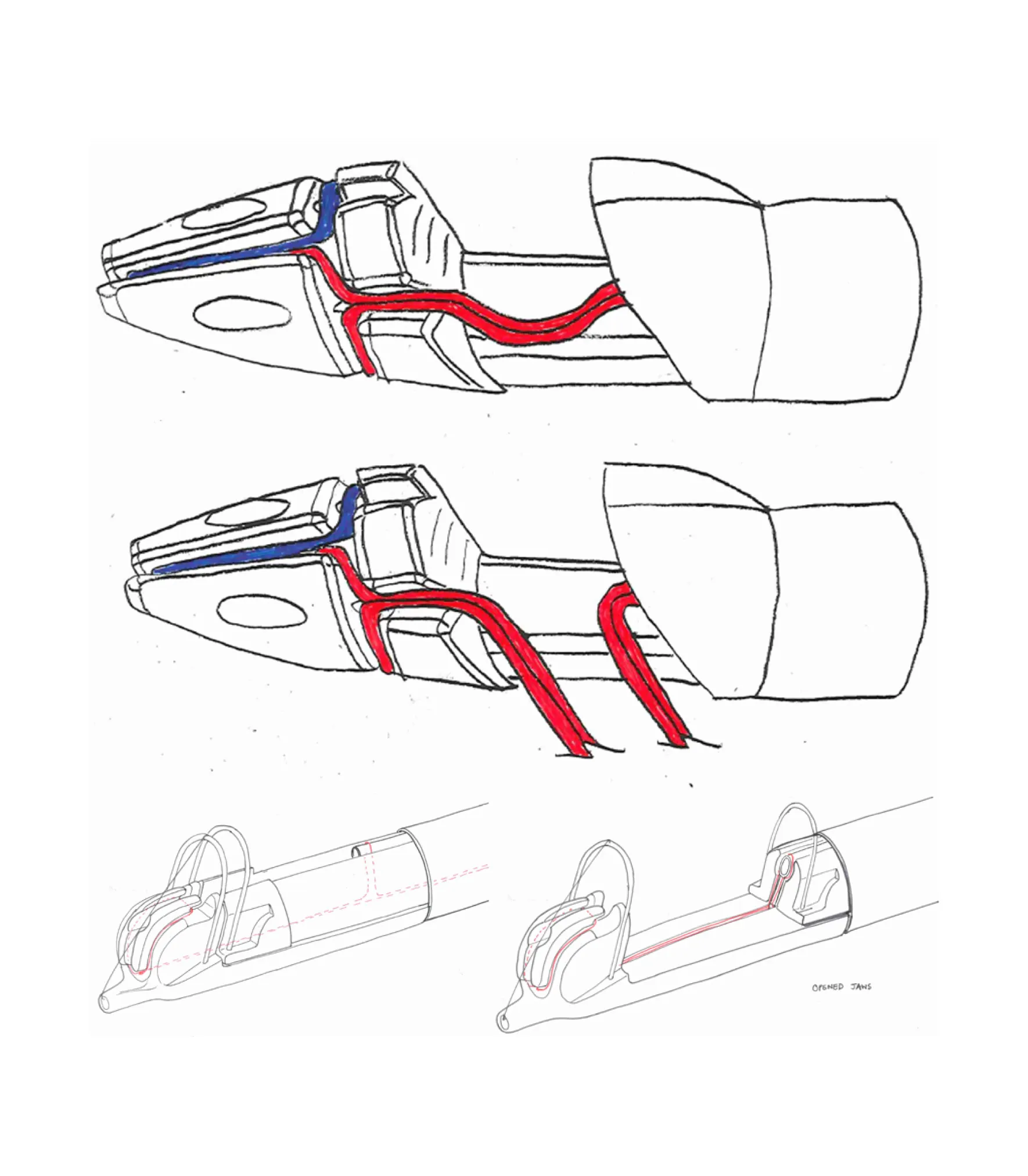
CAD Exploration + Refinement

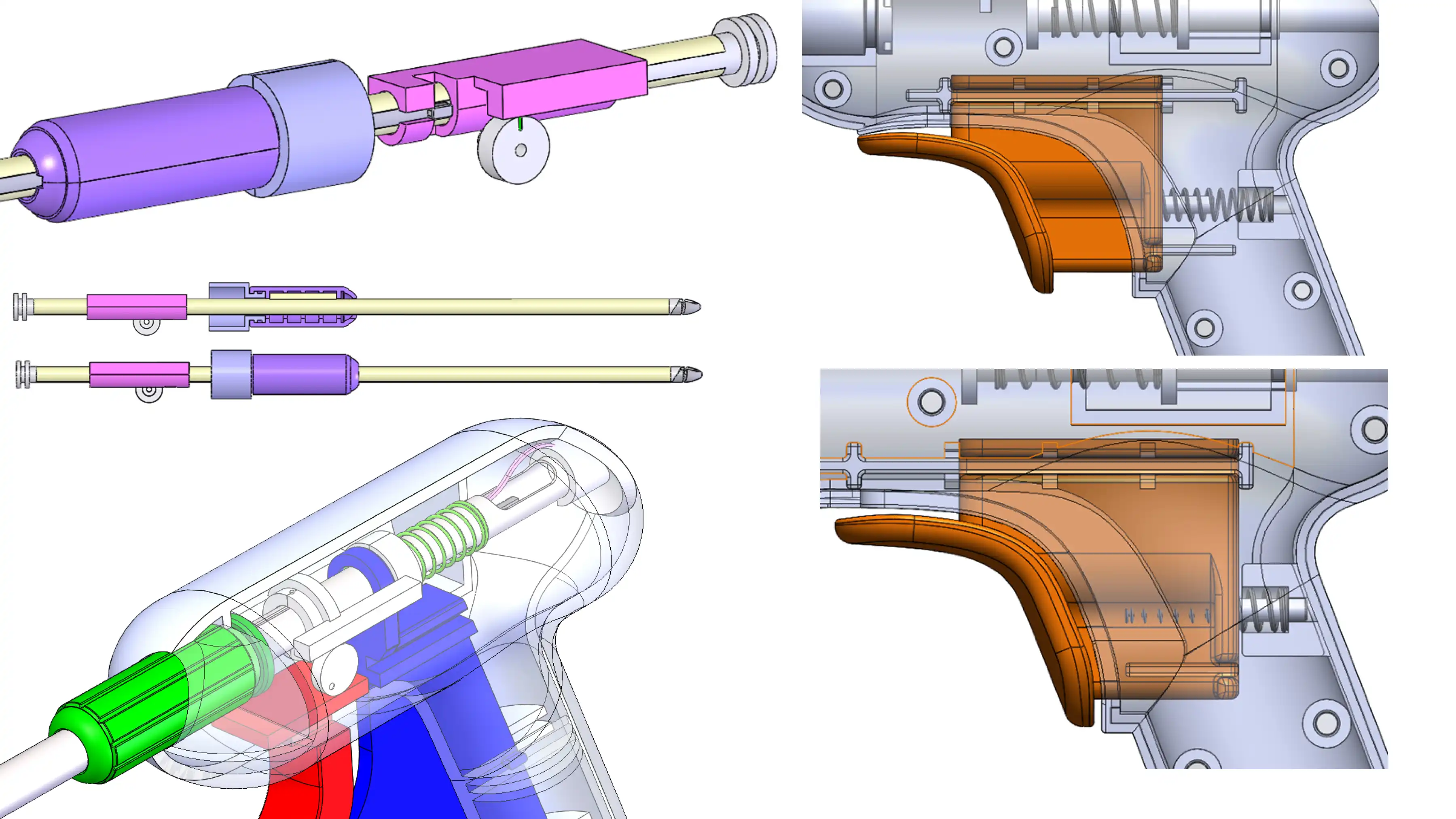
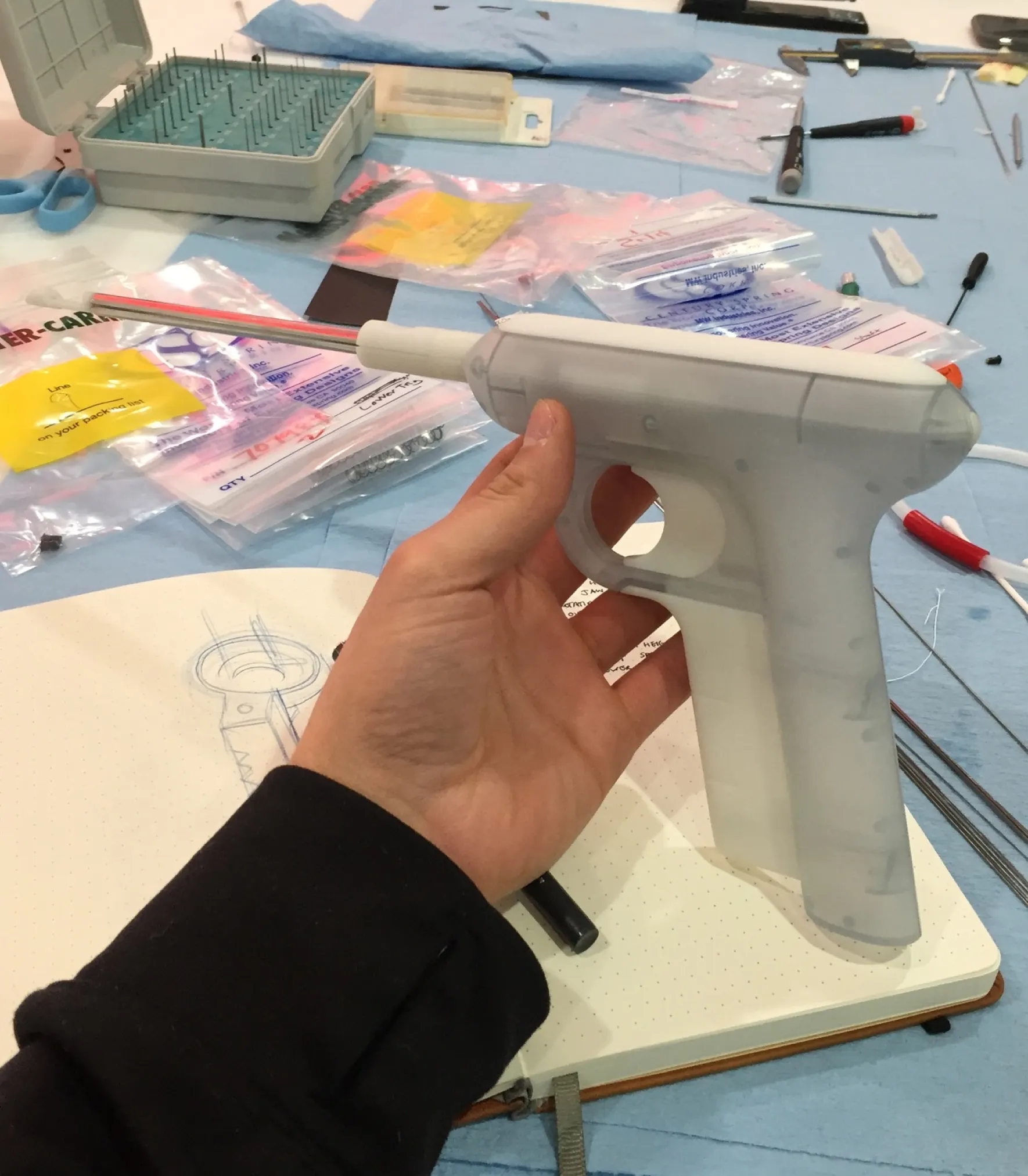
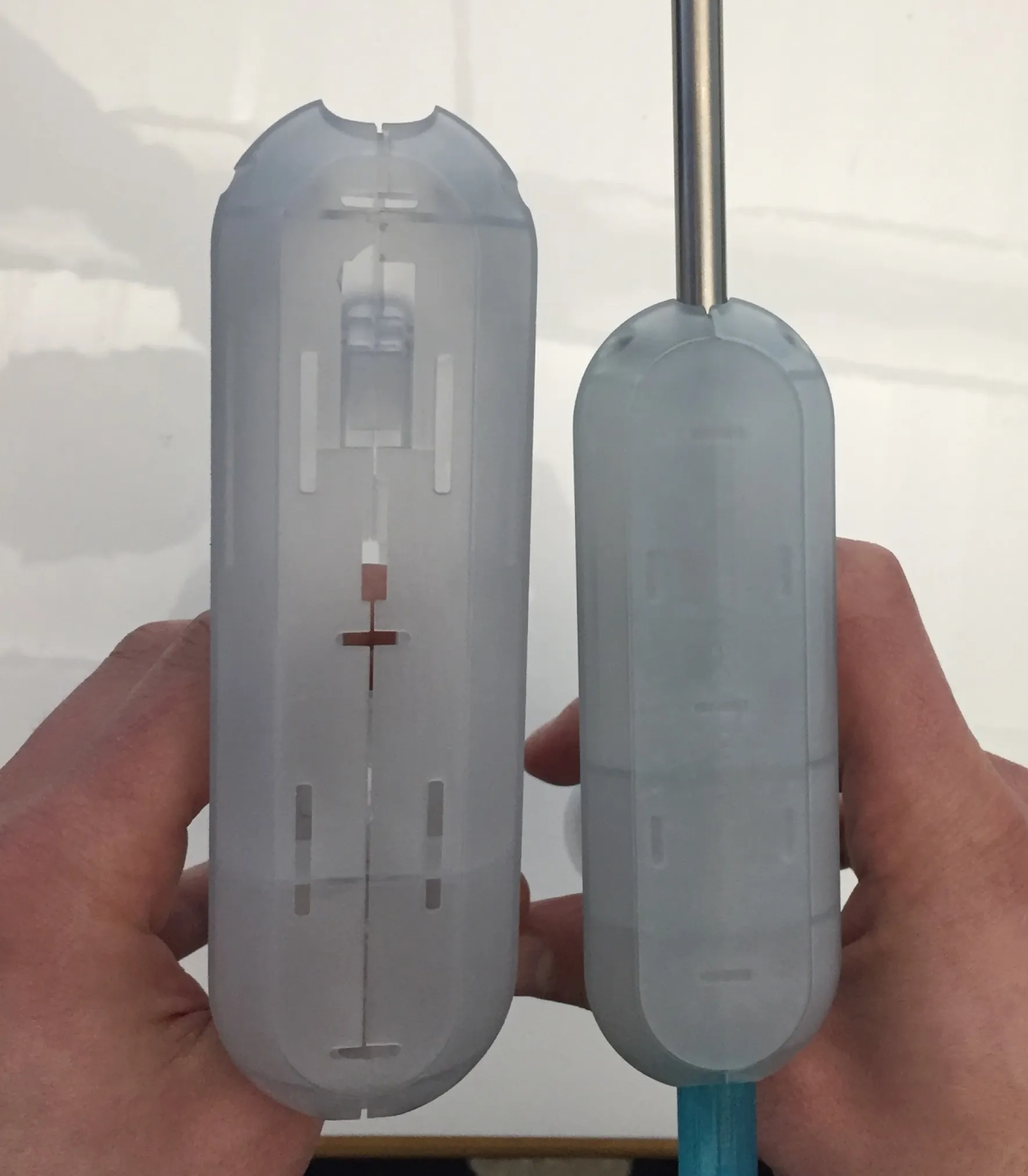
I used Solidworks to drive a half dozen prototyping efforts, including the development of prototypes for range-of-motion, CMF and full works-like functionality.

User Validation Testing

Working with surgeons, we tested the range-of motion prototypes (as well as the original DS1000 device) to establish usability and ergonomic baselines and measure subjective improvement of key operations.

Looks-Like Prototypes

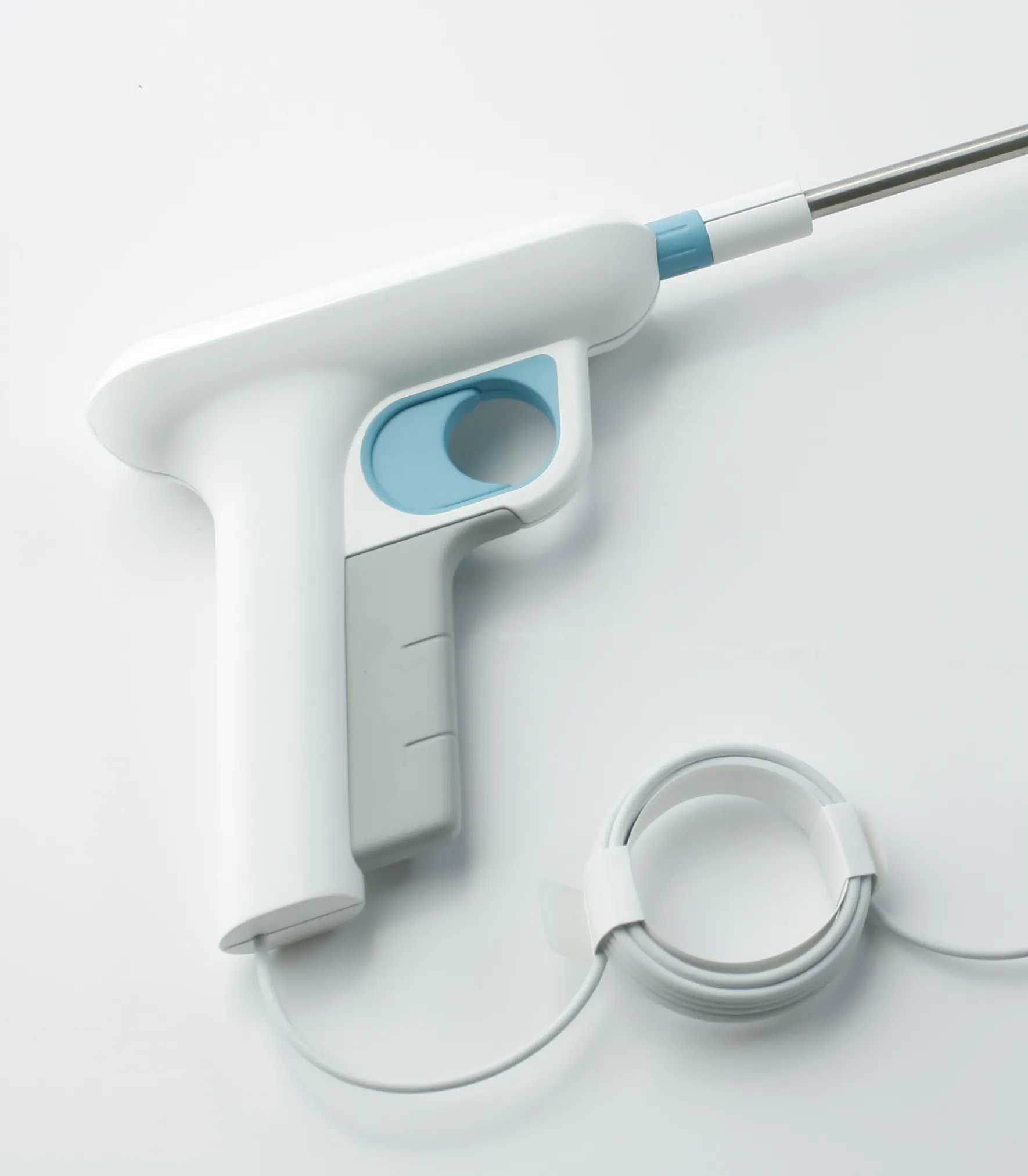
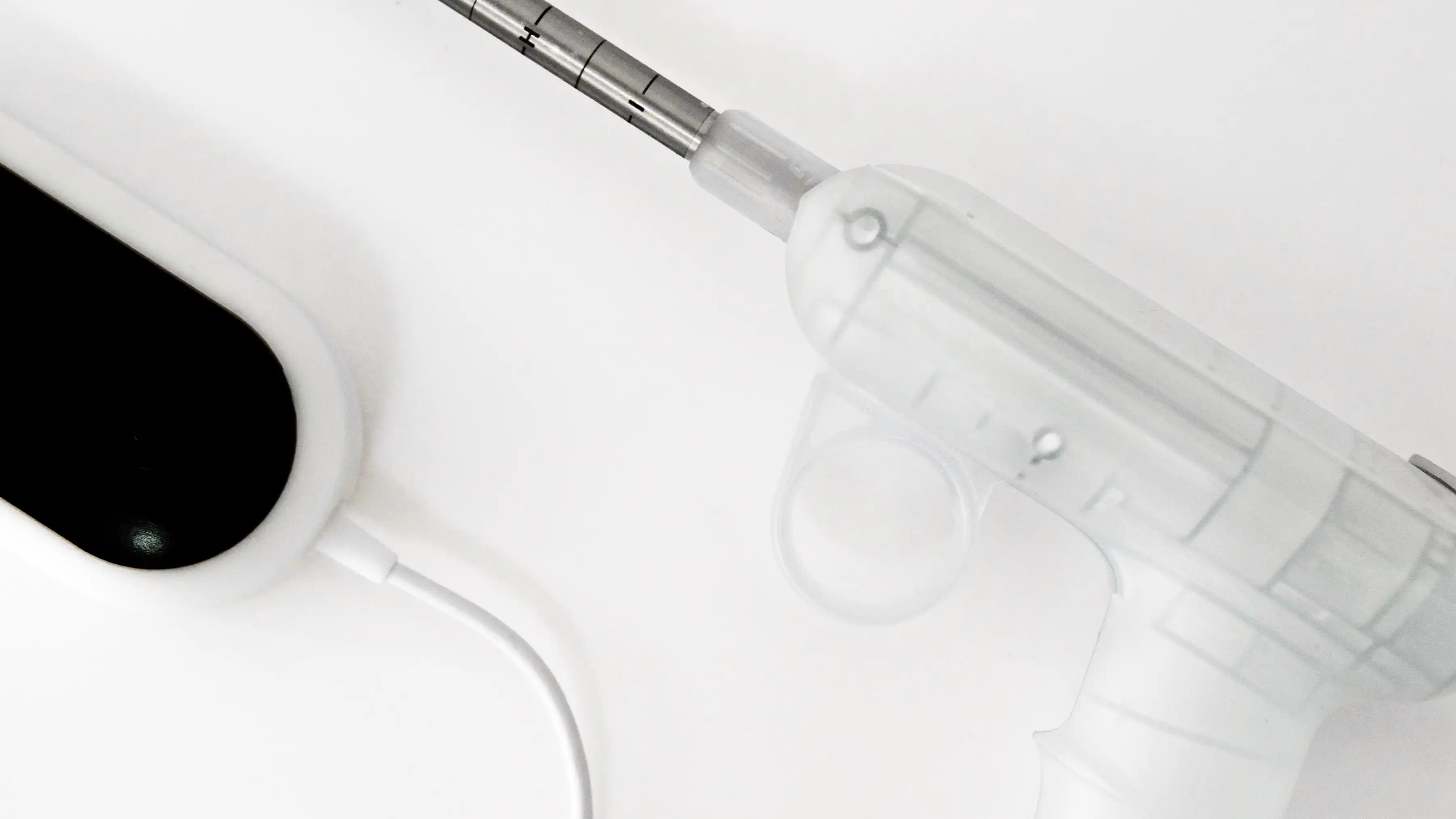
I used Solidworks and coordinated with a series of vendors to build semi-functional looks-like prototypes to support client fundraising activities.

Development + Analysis

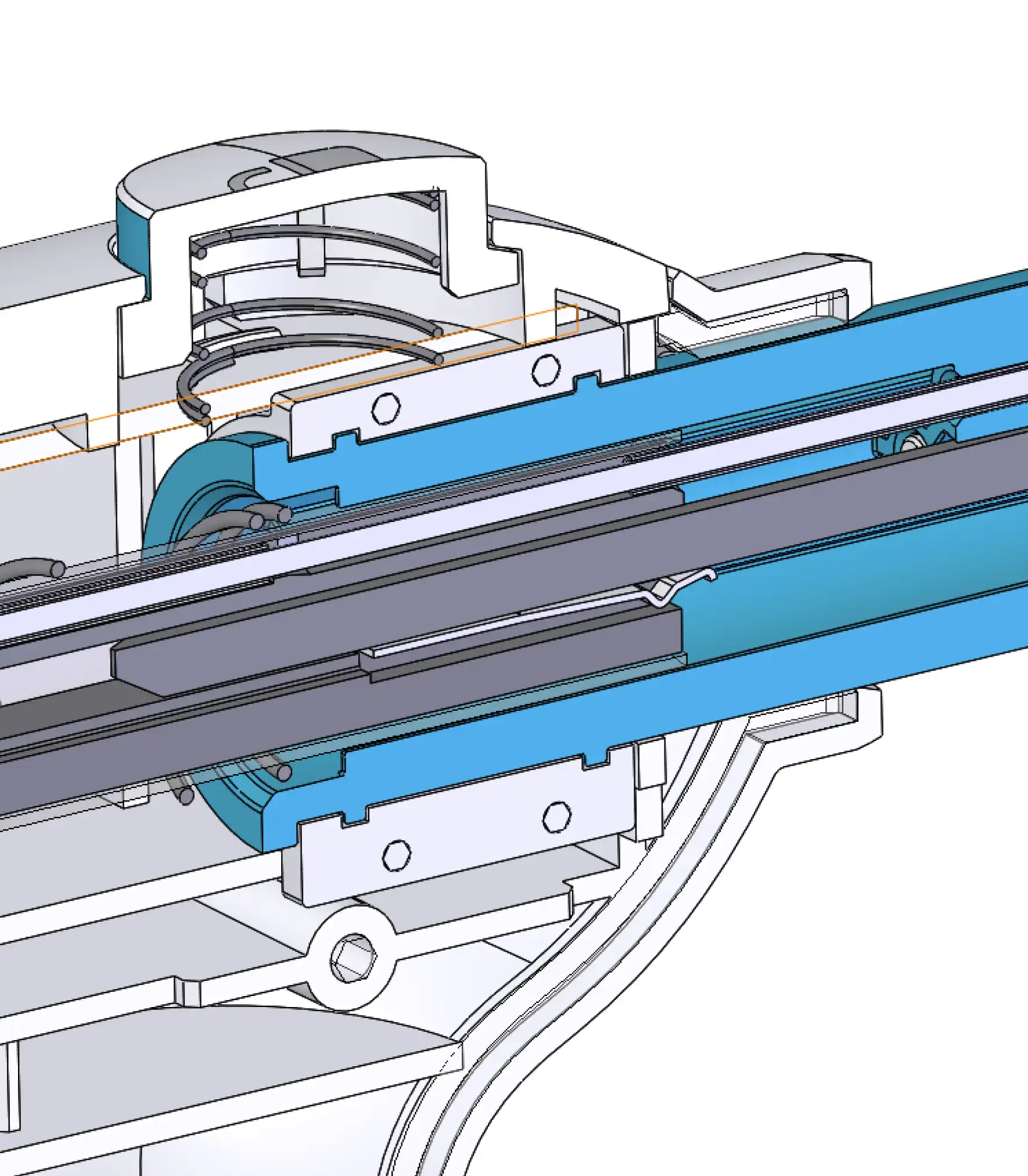
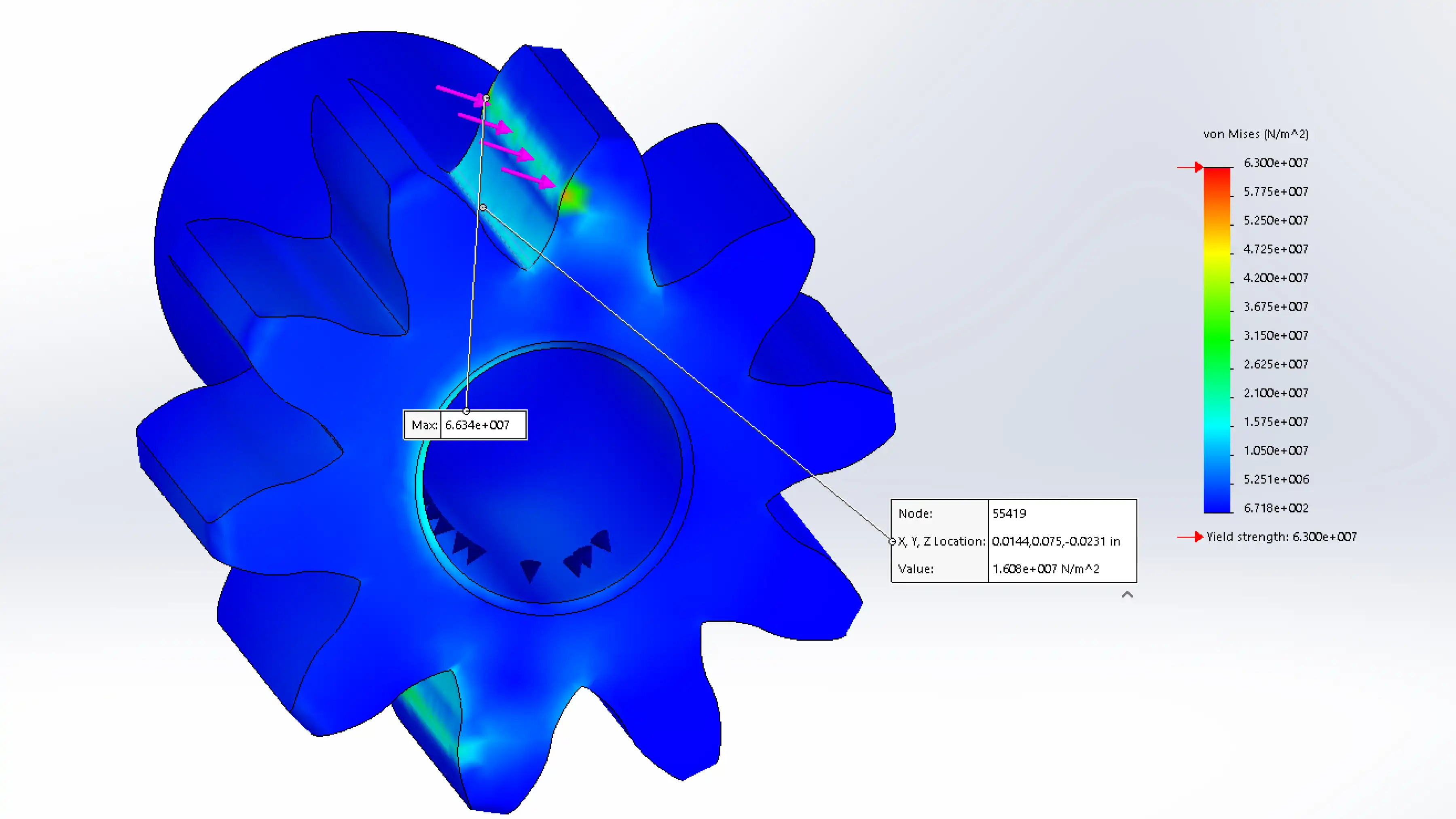
I created simplified Finite Element Analysis (FEA) models to support material selection and component design decisions.

Iterative Prototyping

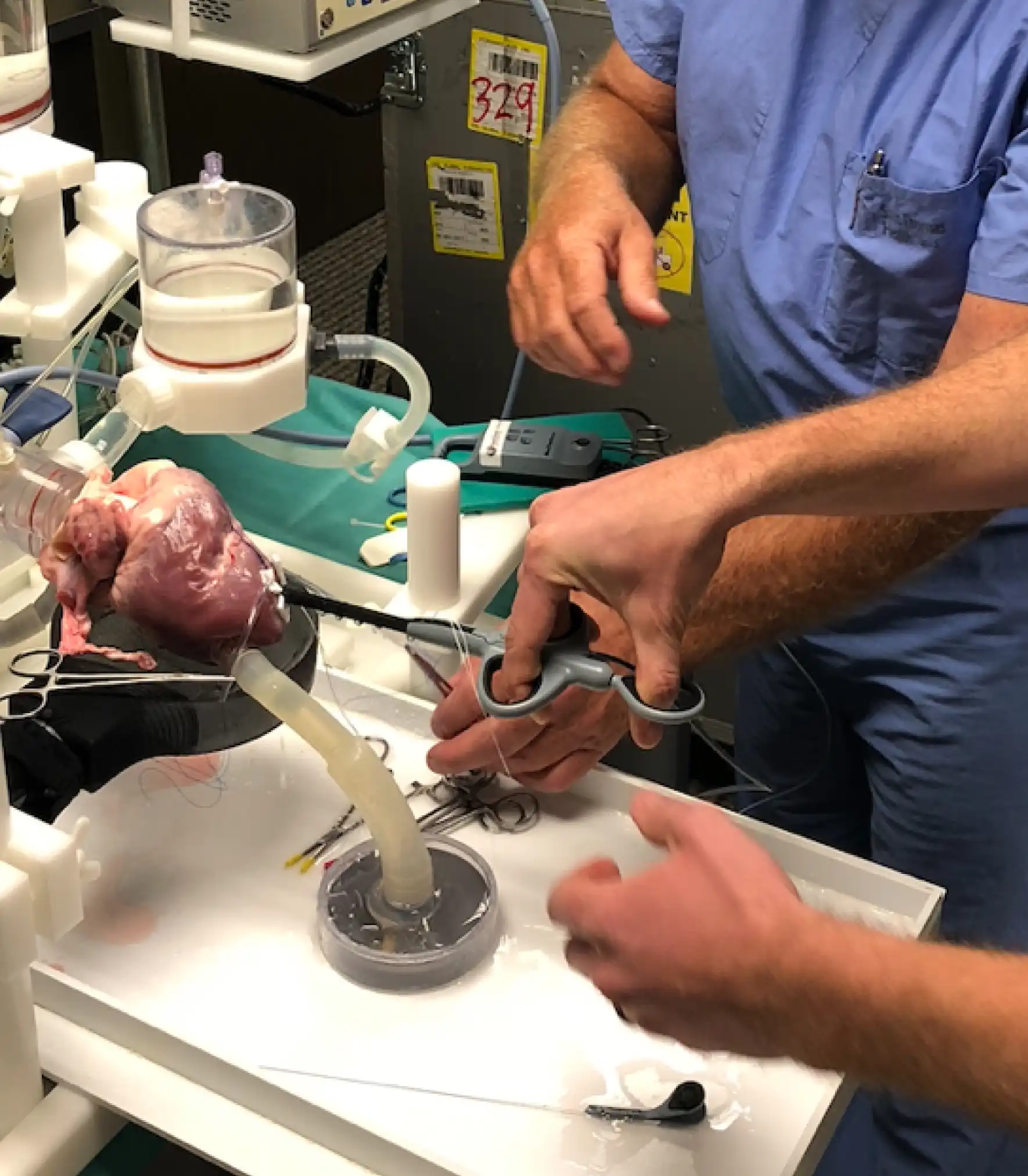
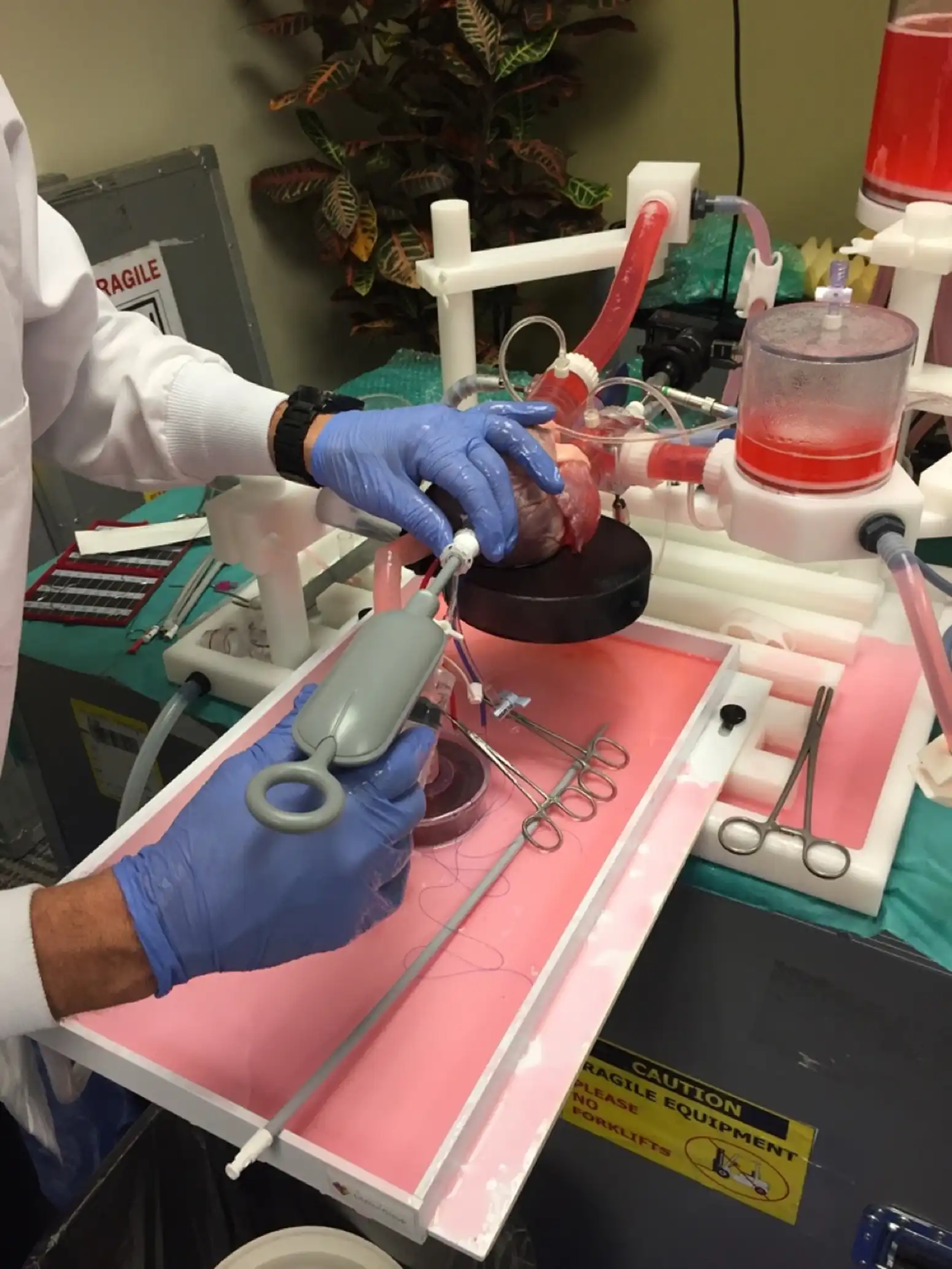
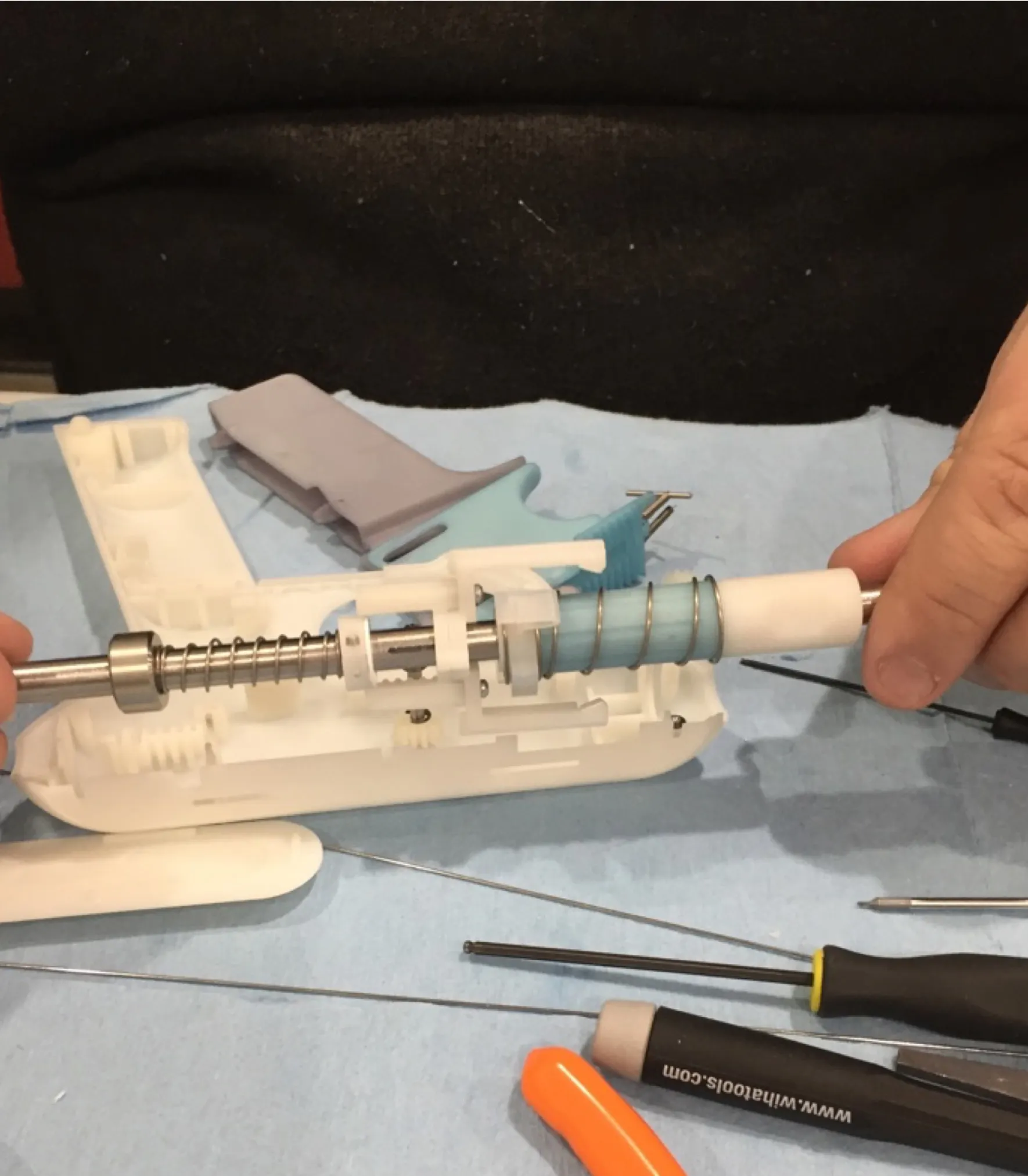
I continued leading the team through iterative prototyping cycles, interspersed with wet lab testing to refine device operation and configuration.

Final Prototypes
Final Prototypes

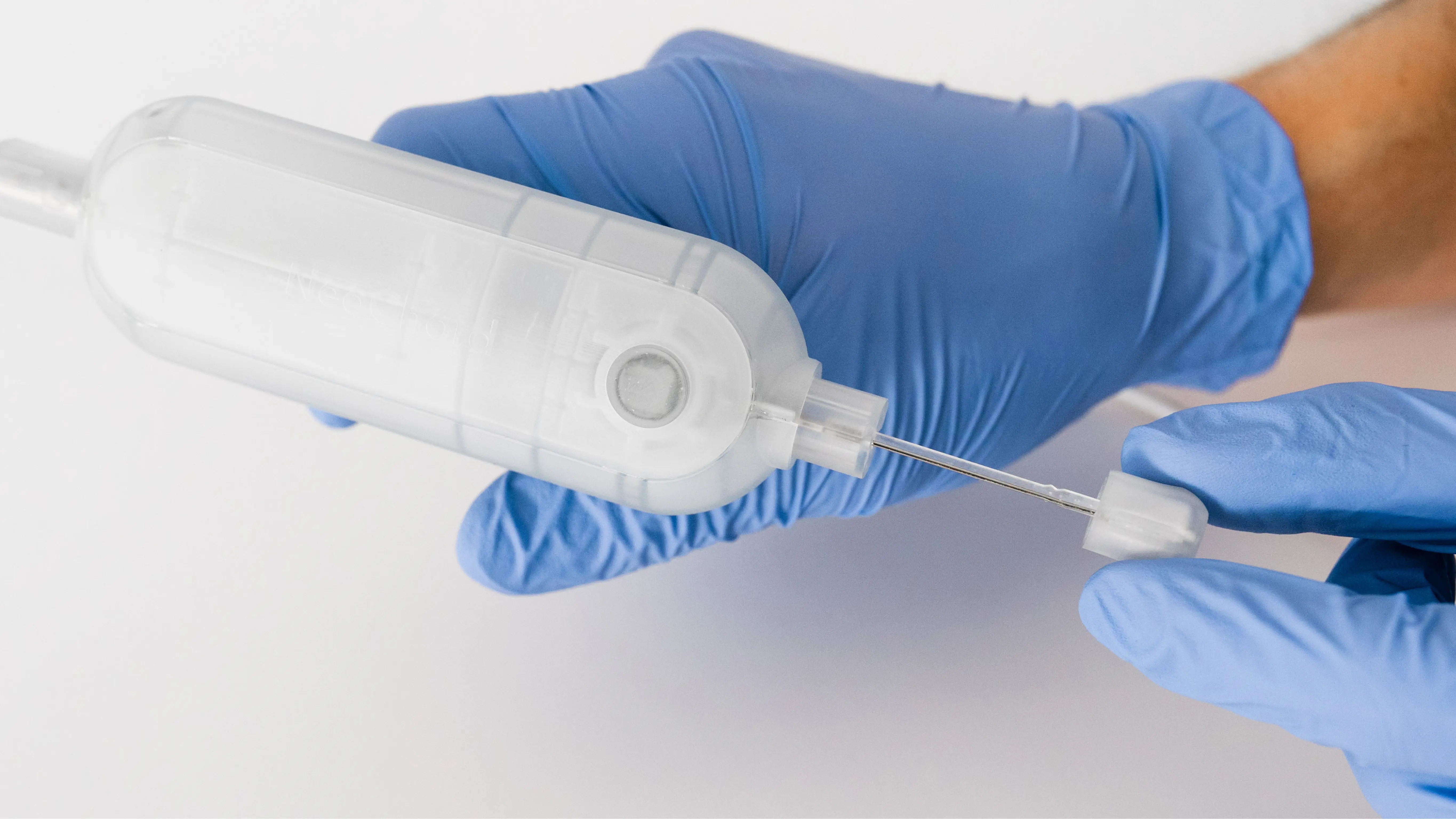
I used Solidworks to create all relevant design and prototype files, worked with vendors to ensure Design for Manufacturing (DFM), and facilitated the fabrication of all components for the final, works-like prototype.

Acknowledgements

Special thanks to Tom Broome, Daryl Edmiston, Tyler Nordman, Dan Johnson, Greg Hoepfner, Eric Krause, NeoChord and Worrell Design.